

Morning Routine for Better Digestion Naturally
Have you ever woken up feeling bloated before the day even starts?
Or noticed that your stomach feels heavy, acidic, or uncomfortable after breakfast no matter what you eat?
What if the real issue is not just what you eat — but how your morning begins?
Many people focus on lunch and dinner while completely ignoring the first hour after waking up. Yet experts increasingly believe that your morning routine quietly influences digestion, metabolism, bowel movements, gut bacteria, and even energy levels throughout the day.
And surprisingly, some of the smallest habits can make the biggest difference.
What Is the Best Morning Routine for Better Digestion Naturally?
The best morning routine for digestion usually includes:
- drinking warm water after waking
- gentle movement or walking
- eating a fiber-rich breakfast
- reducing stress
- staying hydrated
- eating slowly
- maintaining consistent sleep and meal timing
These habits may support bowel regularity, reduce bloating, and improve gut health naturally over time.
Is This Common or Normal?
You’re not alone in this.
Digestive discomfort has become incredibly common due to irregular sleep, stress, processed foods, dehydration, rushed eating, and sedentary lifestyles. Many readers tell us they feel “fine” medically but still struggle with bloating, constipation, gas, acidity, or sluggish digestion almost every morning.
This is more common than most people think.
In fact, digestive complaints are among the most frequently discussed health concerns worldwide. Modern routines often disrupt the body’s natural digestive rhythm — especially during the early morning hours when the gut is preparing for elimination, hydration, and nutrient absorption.
The good news?
Small, consistent morning habits can often create noticeable improvements within days.
Sometimes the body simply needs better timing, hydration, movement, and calmness to function properly again.
👉 For a deeper understanding of digestive wellness and natural gut support, read: Natural Remedies for Digestive Problems
Here’s What’s Really Happening Inside Your Body
Your digestive system is highly connected to your nervous system, hormones, hydration status, sleep cycle, and even sunlight exposure. Morning habits affect all of these.
Let’s understand the science in a simple way.
1. Your Digestive System “Wakes Up” in the Morning
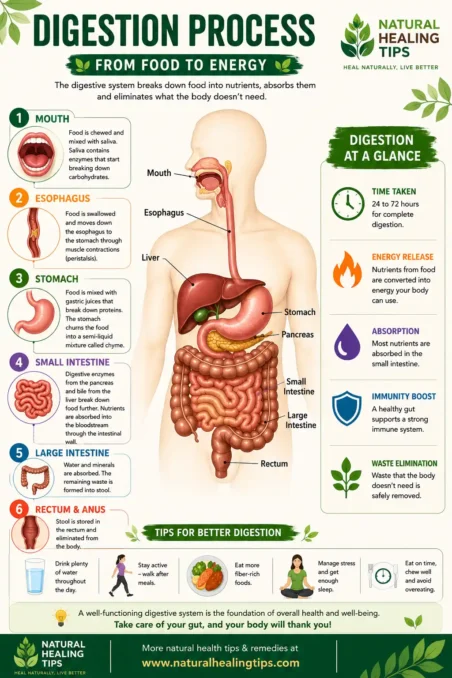
One interesting thing researchers have found is that the digestive tract follows a circadian rhythm — an internal body clock.
During sleep, digestion slows down. After waking up, your body naturally prepares for:
- bowel movements
- stomach acid release
- enzyme production
- intestinal contractions
This is why many people feel the urge to use the bathroom shortly after waking.
But skipping hydration, rushing immediately to coffee, or ignoring bowel urges can disrupt this natural rhythm over time.
2. Dehydration Slows Digestion More Than Most People Realize
After 6–8 hours of sleep, the body naturally becomes mildly dehydrated.
Without enough water:
- stool becomes harder
- intestinal movement slows
- acidity may worsen
- bloating can increase
Even mild dehydration affects digestive efficiency.
This is one reason many traditional wellness systems, including Ayurveda, emphasize warm morning fluids.
↗ Experts at Mayo Clinic explain that hydration, fiber, and lifestyle habits play an important role in maintaining healthy digestion.
3. Stress Directly Affects the Gut
Have you noticed your stomach reacting during stressful days?
That is not imagination.
The gut and brain constantly communicate through the gut-brain axis. Stress hormones can:
- slow digestion
- increase acidity
- trigger IBS symptoms
- alter gut bacteria
- increase inflammation
Morning stress — checking emails instantly, doomscrolling, rushing, skipping breakfast — can quietly activate the body’s “fight or flight” mode before digestion even begins.
👉 Stress and digestion are deeply connected through the gut-brain axis: Gut Brain Wellness
4. Movement Stimulates Intestinal Activity
Your intestines rely on muscular contractions called peristalsis.
Gentle morning movement helps activate these contractions naturally.
Even a short walk, stretching session, or yoga flow may help:
- reduce constipation
- improve circulation
- support bowel movements
- decrease bloating
This is why sedentary mornings often feel heavier.
5. Gut Bacteria Thrive on Routine
Your microbiome prefers consistency.
Irregular sleep, inconsistent meals, late-night eating, and chaotic mornings can disrupt gut bacteria balance.
Healthy morning routines support beneficial bacteria by improving:
- meal timing
- digestion efficiency
- stress regulation
- sleep quality
In many households in India, traditional routines unintentionally supported gut health through early rising, warm foods, herbal spices, and slower eating patterns.
6. Eating Too Fast Confuses Digestive Signals
Modern breakfasts are often rushed.
Many people eat while:
- scrolling phones
- commuting
- working
- watching screens
But digestion actually begins in the brain.
When you eat calmly, the body prepares digestive enzymes properly. Fast eating may increase:
- gas
- bloating
- overeating
- indigestion
This simple factor is frequently overlooked.
7. Morning Sunlight Influences Digestion Too
This surprises many people.
Morning sunlight helps regulate circadian rhythms, which influence digestion, hormones, and bowel patterns.
Experts believe morning light exposure may help improve:
- sleep quality
- stress balance
- metabolic timing
- appetite regulation
Even 10–15 minutes outdoors can help reset internal rhythms.
8. How Digestive Enzymes Affect Morning Digestion
Digestive enzymes help break down:
- carbohydrates
- proteins
- fats
The body naturally produces these enzymes during digestion, but stress, rushed eating, dehydration, and poor dietary habits may affect digestive efficiency.
Certain foods commonly included in morning meals — such as papaya, yogurt, pineapple, ginger, and fermented foods — naturally support digestive processes.
This is one reason balanced breakfasts often feel easier on the stomach than highly processed foods.
Common Signs Your Digestion Needs Support
Your body often gives subtle signals before major digestive issues develop.
Watch for:
- bloating after meals
- constipation
- acidity or heartburn
- gas
- sluggishness after eating
- irregular bowel movements
- nausea in the morning
- heaviness in the stomach
- bad breath
- poor appetite
If your mornings consistently begin with discomfort, your routine may need adjustment.
Why Digestion Sometimes Feels Worse in the Morning
Many people assume digestion problems only happen after meals, but morning discomfort is surprisingly common.
You may wake up with:
- bloating
- acidity
- heaviness
- gas
- nausea
- incomplete bowel movements
👉 If bloating is one of your biggest morning issues, explore: Foods That Stop Bloating Immediately at Home
What causes this?
During sleep, digestion naturally slows down. Late-night eating, dehydration, stress, poor sleep quality, alcohol, heavy dinners, or processed foods can all affect how the digestive system feels the next morning.
One overlooked factor is late-night snacking.
When food is eaten too close to bedtime, the stomach may still be working during sleep. This can contribute to acid reflux, sluggish digestion, and morning heaviness.
In many households, people also wake up and immediately consume tea or coffee before hydration. For sensitive individuals, this may irritate the stomach lining and worsen acidity.
Poor sleep can also affect gut bacteria and digestive hormone balance.
This is why improving digestion often starts the night before — not just in the morning.
While This Is Usually Harmless, There Are Times When You Should Pay Attention
Most digestive discomfort improves with lifestyle changes.
However, some symptoms should not be ignored.
Organizations like the World Health Organization, National Health Service, and Mayo Clinic recommend medical evaluation if you experience:
- unexplained weight loss
- blood in stool
- severe abdominal pain
- persistent vomiting
- ongoing constipation lasting weeks
- difficulty swallowing
- chronic diarrhea
- fever with digestive symptoms
- sudden major appetite changes
These may require professional diagnosis.
Natural routines can support digestive wellness, but persistent or severe symptoms deserve medical attention.
↗ According to the NHS (National Health Service), persistent bloating, constipation, or digestive discomfort should not be ignored if symptoms continue for long periods.
The Good News Is—Small Changes Can Make a Noticeable Difference
You do not need an extreme detox.
You do not need expensive supplements.
And you definitely do not need to follow unrealistic internet trends.
Many people notice improvement simply by correcting their morning rhythm consistently.
Here are the most effective natural habits.
1. Start Your Day With Warm Water
This is one of the simplest habits people ignore.
Warm water may help:
- stimulate bowel movements
- hydrate the digestive tract
- soften stool
- improve circulation
How to Use It
Drink 1–2 glasses of warm water within 10 minutes of waking.
Avoid ice-cold water first thing in the morning.
Optional Additions
You can occasionally add:
- lemon
- ginger slices
- cumin seeds
- fennel seeds
In traditional Indian kitchens, cumin and fennel water are often used to reduce bloating naturally.
Expected Results
Some people notice easier bowel movements within 2–3 days.

2. Warm Lemon Water
Warm lemon water may encourage hydration and stimulate digestive activity gently.
Best for:
- mild bloating
- sluggish mornings
- hydration support
Avoid excessive lemon if you have acid reflux.
3. Ginger Tea
Ginger contains compounds like gingerol that may support stomach comfort and reduce nausea.
Many people notice reduced heaviness after drinking ginger tea regularly.

4. Cumin and Fennel Water
This traditional Indian remedy is still widely used because it may help reduce gas and digestive discomfort naturally.
Boil:
- ½ tsp cumin
- ½ tsp fennel
in water for 5–7 minutes.
Drink warm.
👉 Many people also use herbal digestive drinks for stomach comfort: Indian Herbal Waters for Digestion
5. Plain Warm Water
Sometimes the simplest option works best.
Hydration itself improves stool movement and digestive efficiency.
6. Probiotic Yogurt Smoothie
A light smoothie with yogurt, banana, and chia seeds may support gut bacteria and bowel regularity.
Avoid excess sugar.
7. Avoid Drinking Coffee Immediately After Waking
This surprises many readers.
Coffee on an empty stomach may worsen:
- acidity
- jitters
- digestive irritation
- cortisol spikes
You do not necessarily need to stop coffee.
Just delay it slightly.
Better Approach
- hydrate first
- move your body
- eat something light
- then consume coffee
This small timing change may reduce digestive discomfort significantly.
8. Move Your Body Before Breakfast
Most people underestimate how powerfully movement affects digestion.
You may have noticed digestion feels worse during inactive periods.
Best Morning Activities
- walking
- yoga
- stretching
- breathing exercises
- mobility work
Even 10–20 minutes helps.
Yoga Poses Often Used for Digestion
- Cat-Cow stretch
- Wind-relieving pose
- Child’s pose
- Seated twists
Gentle movement supports intestinal motility without stressing the body.

9. Practice Calm Eating
Digestion is not only physical — it is neurological.
Eating while stressed keeps the body in a sympathetic nervous system state (“fight or flight”).
This may impair digestive efficiency.
What Actually Helps
- sit while eating
- chew thoroughly
- avoid screens
- slow down
- take small bites
One interesting thing researchers have found is that slower eaters often experience better satiety and reduced bloating.
10. Eat Fiber — But Not Excessively
Fiber supports digestion, but too much suddenly can worsen bloating.
The goal is balanced fiber intake.
Good Morning Fiber Sources
- oats
- papaya
- chia seeds
- soaked flaxseeds
- bananas
- apples
- vegetables
Papaya is especially popular in many Indian homes because it contains papain, an enzyme associated with protein digestion.
Timing
Breakfast is often the easiest time to increase natural fiber gently.
↗ Researchers from the Harvard T.H. Chan School of Public Health highlight the importance of fiber-rich foods and healthy dietary patterns for digestive and overall gut health.
11. Do Not Ignore the Urge for a Bowel Movement
This habit quietly affects long-term digestion.
Holding bowel movements repeatedly may contribute to constipation over time.
Your colon is naturally more active in the morning.
Ignoring this biological timing may disrupt regularity.
Helpful Tip
Create enough calm time in the morning instead of rushing immediately into work or phone usage.
12. Reduce Ultra-Processed Breakfast Foods
Sugary cereals, deep-fried foods, packaged snacks, and highly processed breakfast items may contribute to:
- inflammation
- energy crashes
- bloating
- unstable digestion
Instead, focus on minimally processed meals.
Better Breakfast Ideas
- oatmeal with fruit
- vegetable poha
- idli with chutney
- yogurt with seeds
- eggs with vegetables
- smoothie bowls
Consistency matters more than perfection.
13. Try Simple Breathing Exercises
This sounds too simple — but it works surprisingly well for many people.
Deep breathing activates the parasympathetic nervous system (“rest and digest”).
Easy Practice
Try:
- inhale for 4 seconds
- exhale for 6 seconds
- repeat for 3–5 minutes
This may help calm digestive tension and improve gut-brain communication.
13. Maintain Consistent Wake-Up Times
Your digestive system loves predictability.
Sleeping late one day and waking early the next can confuse circadian rhythms.
What Helps Most
- consistent sleep timing
- earlier dinners
- regular breakfast timing
- morning sunlight exposure
Long-term digestive health often depends on rhythm more than extreme dieting.
What Is the Best Time to Eat Breakfast for Digestion?
Many people skip breakfast timing completely, but meal timing may influence digestive rhythm and metabolism support.
Experts generally recommend eating within 1–2 hours after waking for people who experience:
- acidity
- low energy
- digestive sluggishness
- overeating later in the day
However, the ideal timing can vary depending on:
- activity level
- appetite
- medical conditions
- sleep quality
The most important factor is consistency.
Irregular meal timing may confuse hunger hormones and digestive patterns over time.
Morning Habits That May Quietly Harm Your Digestion
Sometimes digestive problems are not caused by major illness — but by repeated daily habits people rarely think about.
Skipping Water After Waking
The digestive system needs hydration after sleep.
Ignoring hydration may worsen constipation and sluggish bowel movements.
Eating Too Fast
Fast eating increases swallowed air and may worsen bloating.
Excess Coffee on an Empty Stomach
This may irritate sensitive stomachs and increase acidity for some individuals.
Ignoring Sleep Quality
Poor sleep affects digestive hormones, stress levels, and gut bacteria.
Sitting Immediately After Eating
Light movement after breakfast often feels better than prolonged sitting.
Constant Stress Exposure
Checking stressful notifications immediately after waking may activate stress hormones before digestion fully starts.
The Tiny Morning Mistake Most People Ignore
Many people focus heavily on food but overlook one surprisingly important factor: rushing.
A stressful, hurried morning may affect digestion before breakfast even begins.
Checking notifications instantly, skipping hydration, eating too quickly, or running out the door can activate stress hormones that influence the gut-brain axis.
For some people, this may lead to:
- bloating
- stomach tightness
- acidity
- irregular bowel movements
- nausea
Sometimes the digestive system simply responds better when mornings feel calmer and more predictable.
Even slowing down for 10–15 minutes may make a noticeable difference over time.

Best Morning Routine Based on Your Digestive Issue
Not all digestive problems are the same.
Different symptoms may respond better to slightly different morning habits.
| Digestive Issue | Helpful Morning Habit |
|---|---|
| Constipation | Warm water + walking + fiber |
| Acidity | Delayed coffee + lighter breakfast |
| Bloating | Slow eating + fennel tea |
| Gas | Avoid carbonated drinks |
| Sluggish digestion | Morning movement + hydration |
| IBS symptoms | Stress reduction + routine meals |
Personalizing your routine often works better than copying generic internet advice.
Foods That Help Digestion in the Morning
| Helpful Foods | Why They Help |
|---|---|
| Papaya | Contains digestive enzymes |
| Yogurt | Provides probiotics |
| Oats | Rich in soluble fiber |
| Bananas | Gentle on the stomach |
| Ginger | Supports stomach comfort |
| Soaked almonds | Nutrient-dense and filling |
| Idli | Light and fermented |
| Chia seeds | Supports bowel regularity |
👉 Certain foods can naturally support the gut microbiome and digestive enzymes: Gut Health Foods for Better Digestion

Foods That May Trigger Morning Digestive Issues
| Foods | Possible Effects |
|---|---|
| Deep-fried breakfast foods | Sluggish digestion |
| Excess sugar | Bloating and inflammation |
| Carbonated drinks | Gas and discomfort |
| Excess coffee | Acidity |
| Ultra-processed foods | Poor gut health |
| Heavy late-night leftovers | Morning heaviness |
Want to See How Your Body Responds? Try This 3-Day Routine
Many readers are surprised by how quickly the body reacts to consistent habits.
Try this simple experiment.
Day 1
- warm water after waking
- 10-minute walk
- calm breakfast
- avoid processed foods
Day 2
Add:
- digestive herbal tea
- breathing exercises
- more hydration
Day 3
Add:
- early dinner the night before
- consistent wake-up time
- fiber-rich breakfast
What You May Notice
- lighter stomach
- improved bowel movements
- reduced bloating
- better energy
- less acidity
The key is consistency, not intensity.

👉 A structured reset routine may also help improve gastrointestinal health naturally: One Day Gut Reset Plan
Signs Your Digestion Is Slowly Improving
Many people expect instant transformation, but digestive healing is usually gradual.
Positive signs may include:
- easier bowel movements
- reduced bloating
- lighter feeling after meals
- more stable energy
- less acidity
- improved appetite regulation
- fewer cravings for processed foods
- less stomach discomfort after waking
Sometimes the first improvement people notice is simply feeling “lighter” in the morning.
That small shift often indicates the digestive system is becoming more regulated.
Precautions Before Trying Natural Digestive Remedies
Natural does not always mean suitable for everyone.
Be cautious if you:
- are pregnant
- have GERD
- have ulcers
- take digestive medications
- have chronic gastrointestinal conditions
Some herbs and spices may irritate sensitive stomachs.
Start slowly and observe your body’s response.
Simple Night Habits That Support Better Morning Digestion
Morning digestion often depends on what happens the night before.
Small evening habits can make mornings feel noticeably lighter.
Eat Dinner Earlier
Late-night heavy meals may worsen reflux, bloating, and sluggish digestion.
Try eating 2–3 hours before sleep whenever possible.
Reduce Heavy Processed Foods at Night
Very oily or ultra-processed dinners may slow digestion overnight.
Stay Hydrated Throughout the Evening
Mild dehydration contributes to constipation.
Avoid Excess Screen Exposure Before Bed
Poor sleep quality may negatively affect gut health and stress regulation.
Sleep Consistently
Irregular sleep patterns can disrupt digestive rhythms.

Quick Summary
Best Morning Habits for Better Digestion Naturally
- Drink warm water after waking
- Move your body gently
- Eat slowly and mindfully
- Avoid excessive processed foods
- Use digestive spices moderately
- Stay hydrated
- Support gut bacteria with routine
- Get morning sunlight
- Do not ignore bowel urges
- Maintain consistent sleep timing
Frequently Asked Questions
What really happens if you skip breakfast regularly?
Some people tolerate it well, but others may experience acidity, overeating later, or irregular digestion depending on lifestyle and overall diet quality.
Can this actually improve constipation naturally?
Yes, consistent hydration, movement, fiber intake, and routine may help improve bowel regularity over time.
Why do some people notice changes quickly?
The digestive system responds rapidly to hydration, movement, stress reduction, and meal timing changes.
Is warm water better than cold water in the morning?
Many people find warm water gentler and more comfortable for digestion, especially when dealing with bloating or constipation.
What is the best breakfast for gut health?
Balanced breakfasts containing fiber, protein, and minimally processed foods are often most supportive for digestion.
Can stress alone cause digestive problems?
Stress strongly influences the gut-brain axis and may worsen bloating, acidity, IBS symptoms, and appetite changes.
Are Ayurvedic morning habits useful?
Some traditional practices — such as warm water, digestive spices, and mindful eating — align with modern digestive wellness principles.
How long does it take to improve digestion naturally?
Some people notice changes within days, while long-term improvement usually depends on consistent habits over weeks and months.
Can poor sleep affect digestion?
Yes. Poor sleep may disrupt digestive hormones, gut bacteria balance, and bowel regularity.
Is walking after breakfast good for digestion?
Gentle walking after meals may help stimulate digestion and reduce heaviness.
Why does stress affect the stomach so quickly?
The gut and brain communicate closely through the gut-brain axis, making digestion highly sensitive to stress.
What foods should be avoided for better morning digestion?
Excessively oily, processed, sugary, or ultra-spicy foods may worsen digestive discomfort in sensitive individuals.
Why do I wake up bloated every morning?
Morning bloating may be linked to dehydration, late-night eating, stress, constipation, food sensitivities, or poor sleep quality.
Is lemon water really good for digestion?
Warm lemon water may help hydration and digestive stimulation for some people, though individuals with acid reflux should use caution.
Can improving digestion increase energy levels?
Yes. Better digestion may improve nutrient absorption, bowel regularity, and overall energy balance.
Gentle Health Disclaimer
This article is for educational purposes only and should not replace professional medical advice. If symptoms are persistent, severe, or concerning, consult a qualified healthcare professional.
Final Thoughts
Better digestion rarely comes from one miracle solution.
It usually comes from small habits repeated consistently.
A calmer morning.
Better hydration.
Gentle movement.
More mindful eating.
Less rushing.
These simple shifts may seem minor at first, but over time they can influence how your body feels every single day.
And perhaps that is what many people miss — digestive wellness is often built quietly, one morning at a time.
↗ The World Health Organization (WHO) emphasizes healthy lifestyle habits, stress reduction, and balanced nutrition for long-term wellness.






7 thoughts on “Morning Routine for Better Digestion Naturally”