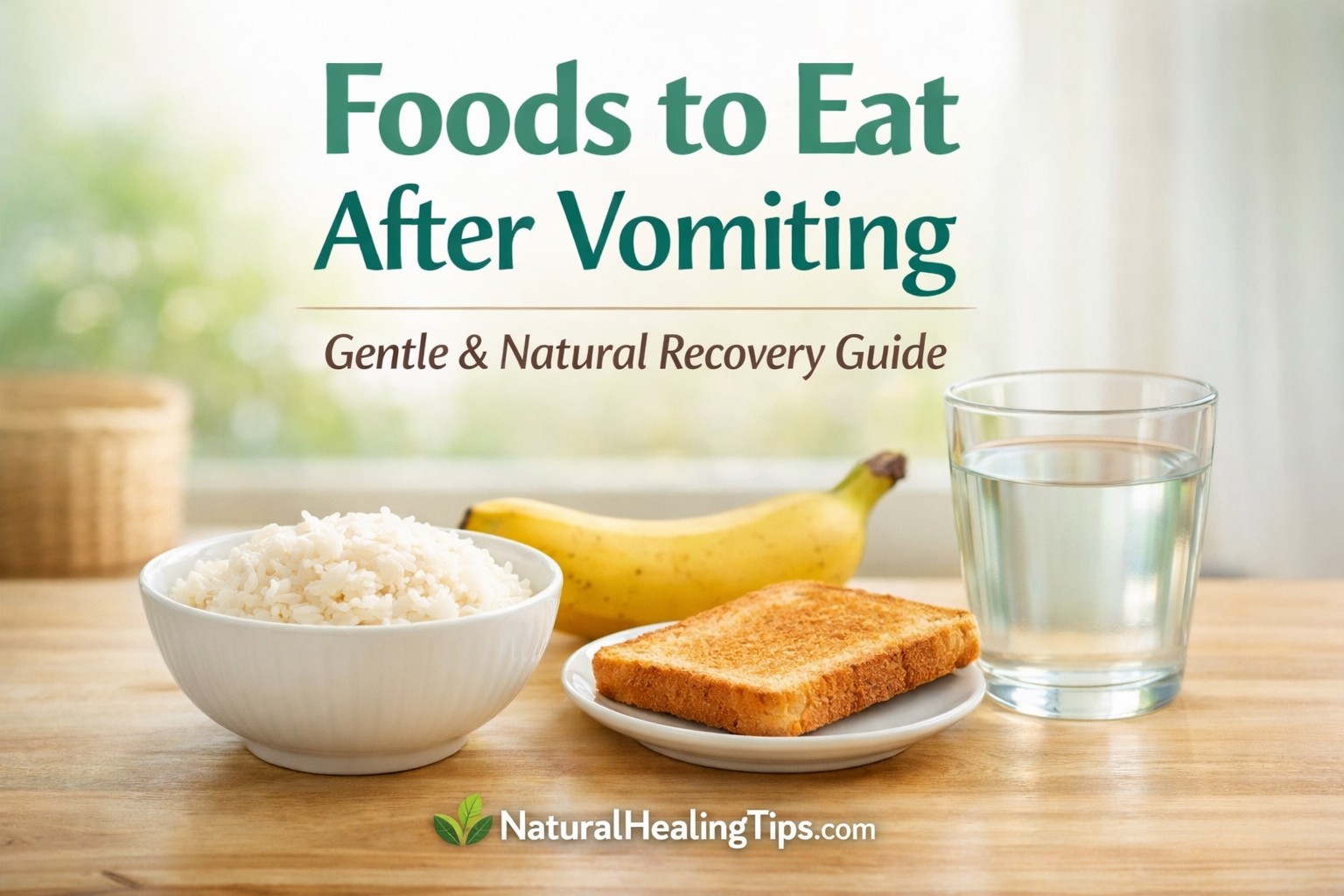
Foods to Eat After Vomiting Naturally: Gentle Foods That Help Your Stomach Recover Faster
Vomiting can leave your body feeling weak, shaky, dehydrated, and surprisingly sensitive. One moment you think you’re getting better — the next, even the smell of food feels overwhelming.
So what should you actually eat after vomiting naturally?
Should you avoid solid food completely?
And why do some foods calm the stomach while others trigger nausea all over again?
Many people unknowingly make recovery harder by eating the wrong foods too soon. Sometimes even “healthy” foods can irritate an already sensitive digestive system.
The good news is that your stomach usually recovers well when you give it the right kind of support.
This guide explains the best foods to eat after vomiting naturally, how they help, when to eat them, what to avoid, and how to gently rebuild digestion without stressing your body.
Is Vomiting Common or Normal?
You’re not alone in this.
Vomiting is more common than most people think, especially after viral infections, food poisoning, acidity, indigestion, motion sickness, migraines, overeating, pregnancy-related nausea, or even stress.
Many readers tell us they feel confused after vomiting because appetite often returns before the stomach is truly ready for heavy meals.
That’s where careful food choices matter.
Your digestive system temporarily becomes irritated and sensitive after vomiting. Eating the wrong foods too quickly may trigger:
- More nausea
- Stomach cramps
- Acid reflux
- Bloating
- Loose stools
- Fatigue
In many households, especially in India, people often turn to simple foods like rice kanji, curd rice, bananas, coconut water, or ginger tea after vomiting. Interestingly, modern digestive science supports many of these traditional choices.
Common Causes of Vomiting
Sometimes vomiting is temporary and harmless. Other times, it may be linked to infections, digestion problems, or lifestyle triggers.
Understanding the cause can help you recover more safely and avoid making symptoms worse.
1. Viral Stomach Infections
Stomach viruses are among the most common causes of vomiting worldwide.
Symptoms often include:
- nausea
- loose stools
- stomach cramps
- fatigue
- mild fever
In many cases, recovery happens naturally within 1–3 days with hydration and rest.
2. Food Poisoning
Food contaminated with bacteria, toxins, or viruses can irritate the digestive tract quickly.
One interesting thing researchers have found is that vomiting is sometimes the body’s protective mechanism to remove harmful substances rapidly.
Common triggers include:
- improperly stored food
- stale leftovers
- contaminated water
- undercooked meat
3. Acidity and Indigestion
Heavy meals, overeating, spicy foods, and late-night eating may trigger acid reflux and vomiting in sensitive individuals.
Many readers tell us this happens especially after restaurant meals or festive overeating.
4. Motion Sickness
Travel-related nausea happens because the brain receives mixed balance signals from the eyes and inner ear.
This is why some people feel nauseous in cars, buses, or boats.
5. Pregnancy-Related Nausea
Morning sickness commonly affects pregnant women, especially during the first trimester.
Small meals and gentle foods may help reduce discomfort.
6. Stress and Anxiety
The gut and brain are closely connected.
Emotional stress can sometimes trigger nausea, appetite loss, or vomiting in certain individuals.
Here’s What’s Really Happening Inside Your Body After Vomiting
After vomiting, your body goes through several temporary changes that affect digestion, hydration, and energy levels.
1. Your Stomach Lining Becomes Irritated
Vomiting forces stomach acid upward through the food pipe and throat. This irritation can make your stomach feel sore or “burning” afterward.
That’s why spicy, oily, or acidic foods often feel unbearable immediately after vomiting.
Experts have found that bland foods reduce gastric irritation and help the stomach settle faster.
2. You Lose Fluids and Electrolytes
One interesting thing researchers have found is that vomiting doesn’t only remove food — it also removes essential minerals like:
- Sodium
- Potassium
- Chloride
This imbalance can contribute to:
- Weakness
- Dizziness
- Headache
- Muscle fatigue
That’s why hydration becomes just as important as food.
Common Signs of Dehydration
- Dry mouth
- Dark yellow urine
- Fatigue
- Dizziness
- Headache
- Low urination
If dehydration becomes severe, medical attention may be necessary.
3. Digestion Temporarily Slows Down
After vomiting, the digestive tract often becomes sluggish for a few hours.
Heavy meals may sit in the stomach longer, increasing nausea.
This is why small portions work better than large meals during recovery.
4. Acid Levels Become Unstable
Many people notice a sour taste or burning sensation after vomiting.
That happens because stomach acid can remain elevated temporarily.
Gentle alkaline or low-acid foods may help calm this imbalance naturally.
👉 Ongoing stomach burning or sourness may sometimes be linked to acid imbalance: Home Remedies for Acidity & Heartburn
5. Blood Sugar May Drop
If vomiting happens repeatedly or you haven’t eaten for many hours, blood sugar can fall.
This may cause:
- Shakiness
- Sweating
- Fatigue
- Brain fog
Simple carbohydrates like toast, rice, bananas, or crackers may help restore energy gradually.
6. Your Brain-Stomach Connection Becomes Sensitive
The gut and brain communicate constantly through the nervous system.
After vomiting, even strong smells, anxiety, or visual triggers may reactivate nausea.
This explains why light foods and calm eating environments often help recovery.
7. The Gut Microbiome Can Become Disturbed
Food poisoning, stomach infections, or excessive vomiting can temporarily disturb healthy gut bacteria.
Gentle probiotic foods like curd or yogurt may help support digestive balance once nausea improves.
👉 Supporting gut health gently during recovery may also help digestion feel more stable: Gut Health Foods for Better Digestion
Best Drinks to Sip After Vomiting
Sometimes liquids feel easier to tolerate than solid foods.
The key is to sip slowly instead of drinking large amounts quickly.
1. Oral Rehydration Solution (ORS)
ORS helps replace lost electrolytes and fluids.
It may help prevent:
- dizziness
- dehydration
- weakness
WHO commonly recommends ORS during vomiting and diarrhea recovery.
↗ According to the World Health Organization (WHO), oral rehydration solutions can help restore lost fluids and electrolytes during vomiting-related dehydration.
2. Rice Water
Rice water is widely used in Indian households after stomach illness.
It provides:
- mild carbohydrates
- hydration
- gentle stomach support
3. Herbal Tea
Warm herbal teas may help calm digestion.
Helpful options include:
- ginger tea
- chamomile tea
- fennel tea
Avoid very strong or concentrated preparations.
4. Lemon Water (Only If Acidity Is Not Severe)
Some people tolerate mild lemon water well because it feels refreshing.
Others may notice acidity worsening.
This varies depending on stomach sensitivity.
↗ The NHS recommends gradual fluid replacement and electrolyte support after vomiting to reduce dehydration risks.
5. Plain Warm Water
Sometimes the stomach tolerates plain warm water better than cold beverages.
Small sips often work best.
👉 In many Indian households, herbal digestive waters are traditionally used for stomach recovery: Indian Herbal Waters for Digestion
Best Indian Foods to Eat After Vomiting
In traditional Indian households, several soft and lightly prepared foods are commonly used during stomach recovery because they are gentle, simple, and easier to digest.
These foods may help provide energy without putting excessive stress on the stomach.
1. Idli
Soft idlis are light, steamed, and easy to digest for many people recovering from nausea.
2. Khichdi
Plain moong dal khichdi is often recommended because it combines mild carbohydrates and protein in a gentle form.
3. Rice Kanji
Rice kanji or rice gruel provides hydration and soft nourishment at the same time.
4. Curd Rice
Once nausea reduces, plain curd rice may help support digestion and gut comfort.
5. Moong Dal Water
Light moong dal water is commonly used because it feels soothing and easy on the stomach.
Avoid heavily spiced curries, deep-fried snacks, and restaurant foods during recovery.
Which Fruits Are Safe After Vomiting?
Not all fruits are equally gentle on the stomach.
Usually Easier to Tolerate
- bananas
- stewed apples
- pears
- watermelon in small amounts
Fruits to Limit Initially
- oranges
- pineapple
- grapefruit
- highly acidic juices
Acidic fruits may irritate the stomach lining temporarily after vomiting.
Best Foods to Eat After Vomiting Naturally
The good news is—small changes can make a noticeable difference in how quickly your stomach settles.
The key is to start slowly, hydrate properly, and choose foods that are easy to digest.
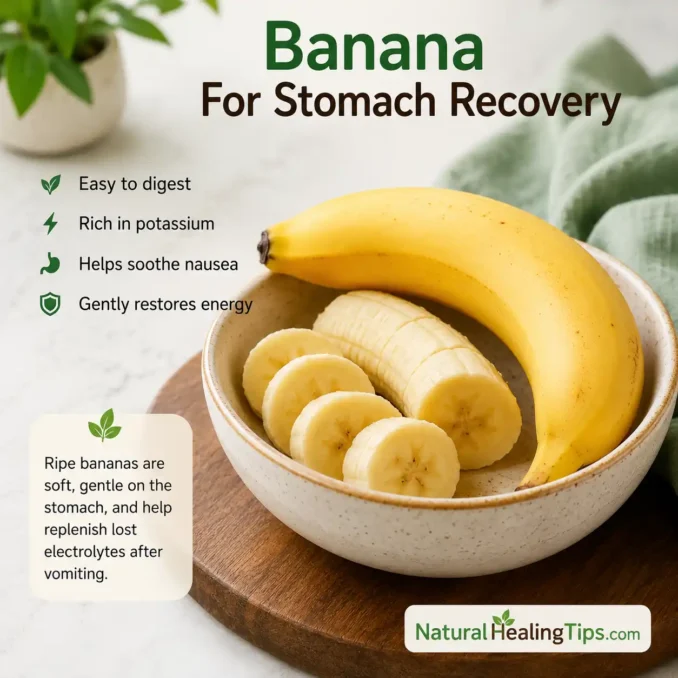
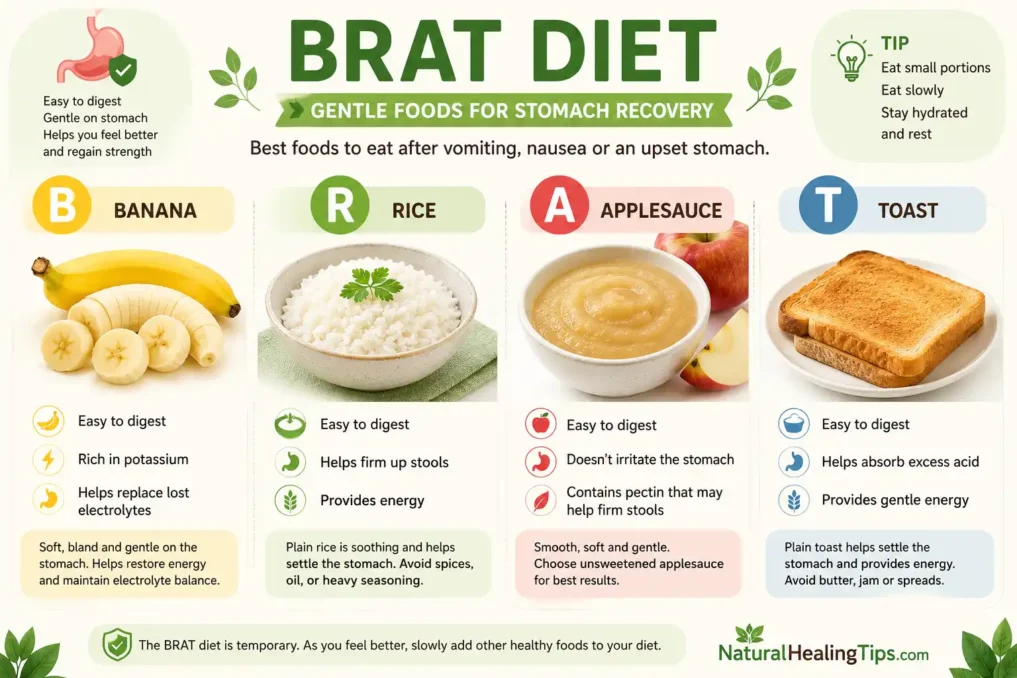
1. Bananas
Bananas are one of the safest and most recommended foods after vomiting.
Why They Help
Bananas contain:
- Potassium
- Gentle carbohydrates
- Pectin (helps digestion)
They are soft, low-fiber, and easy on the stomach.
Many people notice bananas reduce weakness surprisingly quickly.
How to Eat
- Start with half a banana
- Eat slowly
- Choose ripe bananas only
Best Timing
Usually 4–6 hours after vomiting stops.
2. Plain Rice or Rice Gruel
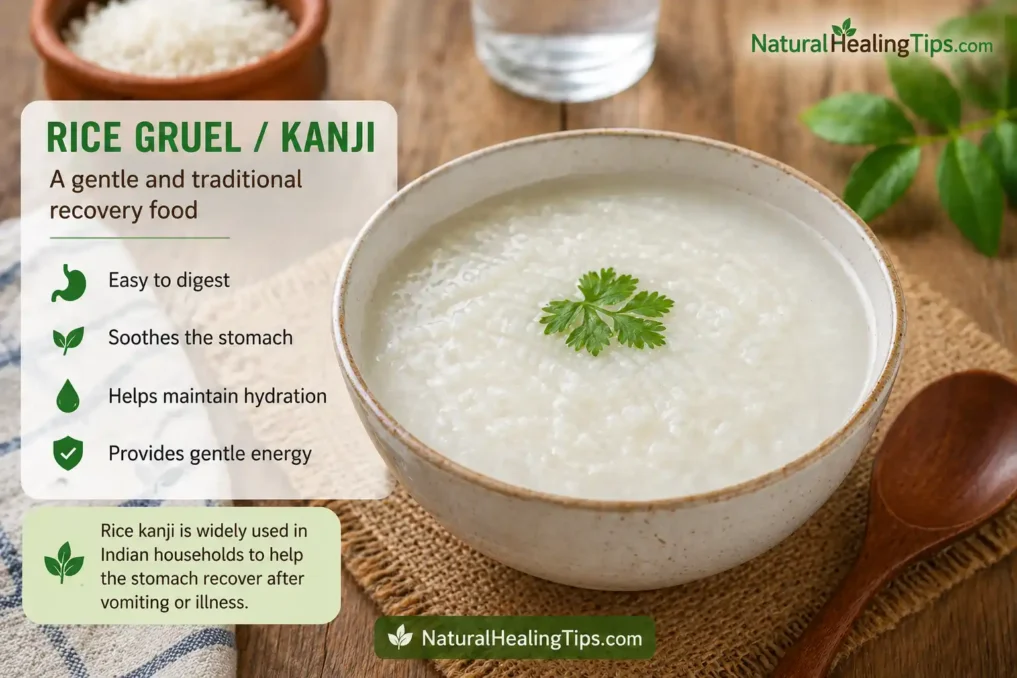
In traditional Indian kitchens, rice kanji is often the first food given after stomach illness.
Why It Works
Rice is:
- Bland
- Easy to digest
- Low in fat
- Gentle on stomach acid
Rice water may also help hydration.
How to Prepare
Cook rice with extra water until soft and semi-liquid.
Avoid:
- Spices
- Oil
- Ghee initially
3. Toast or Plain Crackers
Dry foods absorb excess stomach acid and may reduce nausea.
Best Choices
- Plain toast
- Salt crackers
- Dry biscuits
- Plain rusks
Avoid
- Butter-heavy toast
- Cream crackers
- Spicy snacks
Sometimes the simplest foods work best.
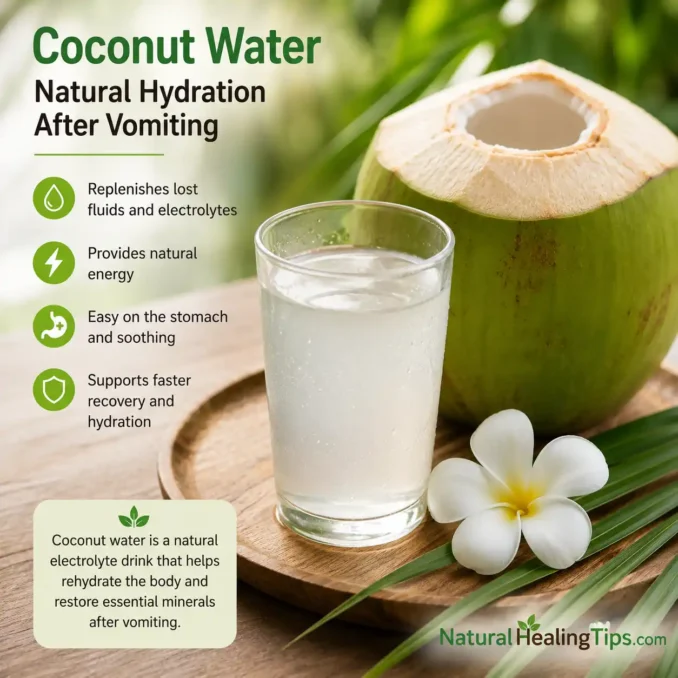
4. Coconut Water
Coconut water helps replenish lost electrolytes naturally.
Why It Helps
It contains:
- Potassium
- Magnesium
- Natural sugars
- Fluids
It may help reduce dehydration-related fatigue.
How Much to Drink
Sip slowly.
Do not drink large quantities quickly because rapid fluid intake can worsen nausea.
5. Applesauce or Stewed Apples
Raw apples may be too fibrous immediately after vomiting.
But cooked apples are gentler.
Why They Help
Cooked apples contain pectin, which may support digestion and stool balance.
Preparation
Boil peeled apple pieces until soft.
Mash lightly.
Avoid adding sugar initially.
6. Ginger Tea
Ginger has been studied extensively for nausea support.
Ginger contains compounds called gingerols and shogaols that may help calm nausea signals.
Simple Ginger Tea Recipe
Ingredients:
- 1 cup water
- Small ginger slices
Boil for 5 minutes.
Sip warm slowly.
Important
Avoid very strong ginger tea if your stomach feels burning or acidic.

7. Curd Rice or Yogurt
Once vomiting reduces significantly, probiotic foods may support recovery.
Why It Helps
Curd contains beneficial bacteria that may help restore gut balance.
Best Way to Eat
- Use plain curd
- Avoid chili tempering
- Keep portions small
Not everyone tolerates dairy immediately, so introduce it carefully.
8. Boiled Potatoes
Boiled potatoes provide simple energy without irritating the stomach.
Why They Work
They are:
- Soft
- Filling
- Mild in flavor
- Low in fat
Preparation
Eat plain boiled potatoes with a pinch of salt.
Avoid frying.
9. Oatmeal
Oats can be soothing once nausea begins improving.
Benefits
- Gentle fiber
- Slow-release carbohydrates
- Easy digestion when cooked soft
Best Preparation
Cook with extra water.
Avoid:
- Heavy milk
- Nuts
- Excess sugar initially
10. Clear Soups
Light vegetable or chicken broth may help hydration and nutrition together.
Why It Helps
Warm liquids can feel comforting and easier to tolerate than solid foods.
Best Options
- Vegetable broth
- Moong dal water
- Light chicken soup
Avoid creamy soups initially.
👉 Some gentle foods may also help reduce bloating and stomach discomfort naturally: Foods That Stop Bloating Immediately at Home
Foods You Should Avoid After Vomiting
Most people focus only on what to eat.
But avoiding irritating foods is equally important.
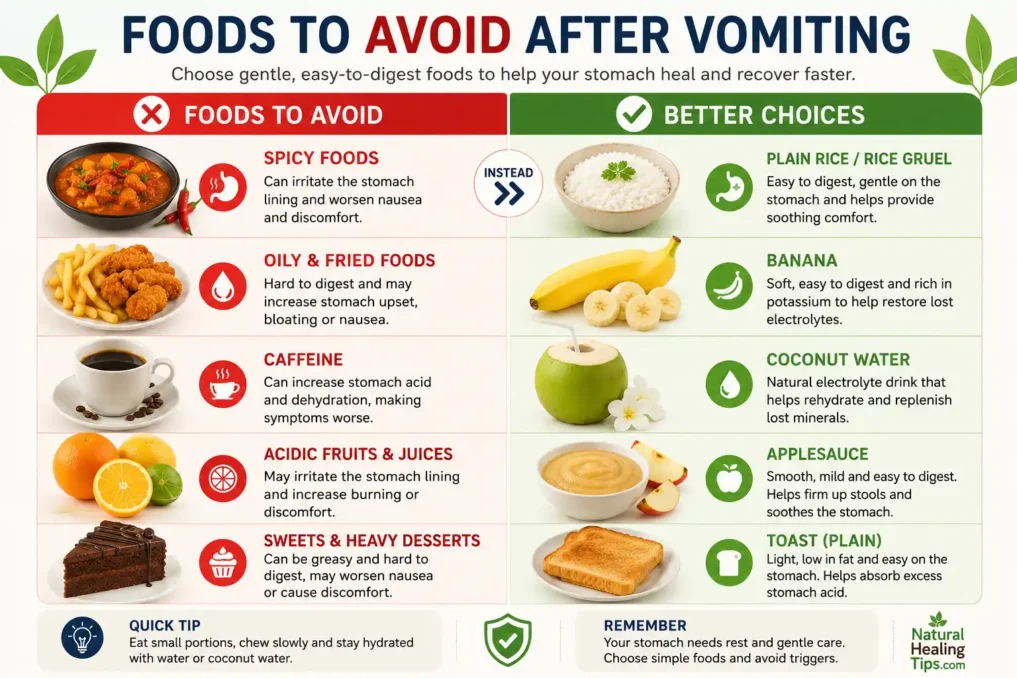
Avoid These Temporarily
- Fried foods
- Spicy curries
- Red chili
- Coffee
- Alcohol
- Carbonated drinks
- Fast food
- Citrus juices
- Heavy dairy
- Processed snacks
These may worsen stomach irritation or trigger nausea again.
| Helpful Foods | Foods That May Trigger Nausea Again |
|---|---|
| Bananas | Fried foods |
| Rice gruel | Spicy curries |
| Toast | Fast food |
| Coconut water | Carbonated drinks |
| Oatmeal | Coffee |
| Yogurt | Alcohol |
| Clear soup | Heavy cream sauces |
| Boiled potatoes | Excessively oily foods |
How to Eat After Vomiting Without Triggering Nausea Again
This part is often overlooked.
Even healthy foods can cause problems if eaten too quickly.
Smart Recovery Tips
Eat Slowly
Take tiny bites.
Pause between bites.
Start With Small Portions
Your stomach needs gradual reintroduction to food.
Avoid Lying Down Immediately
Wait at least 30 minutes after eating.
Sip Fluids Slowly
Large gulps can trigger vomiting again.
Avoid Strong Smells
Cooking odors may worsen nausea temporarily.
3-Day Natural Recovery Experiment
Want to see how your body responds? Try this 3-day routine.
Day 1
Focus on:
- Water
- Coconut water
- Rice gruel
- Crackers
- Bananas
Eat very small portions.
Day 2
Add:
- Toast
- Yogurt
- Oatmeal
- Soup
- Boiled potatoes
Notice how your stomach reacts.
Day 3
Gradually reintroduce:
- Soft vegetables
- Khichdi
- Idli
- Lean protein
Avoid overeating even if appetite returns.
Many people ignore this simple gradual progression and end up irritating the stomach again.
How Long Should You Eat Bland Foods After Vomiting?
This depends on the underlying cause and how quickly symptoms improve.
In many mild cases:
- bland foods are helpful for 12–24 hours
- gradual normal eating resumes within 1–3 days
However, if nausea returns after eating heavier meals, your digestive system may still need more recovery time.
One common mistake is eating spicy or oily foods too soon simply because appetite returns.
Your stomach may feel hungry before it is fully ready for difficult digestion.
When Should You Be Concerned?
While this is usually harmless, there are times when you should pay attention.
Seek medical help if vomiting includes:
- Blood
- Severe dehydration
- Chest pain
- High fever
- Confusion
- Severe abdominal pain
- Vomiting lasting more than 24–48 hours
- Signs of food poisoning worsening
According to organizations like the World Health Organization, NHS, and Mayo Clinic, persistent vomiting can sometimes indicate infections, gastrointestinal disorders, or dehydration risks that require medical evaluation.
Children, elderly individuals, and pregnant women should be monitored more carefully.
↗ Experts at the Mayo Clinic explain that persistent vomiting may sometimes indicate dehydration, infection, or digestive conditions that require medical attention.
Can Natural Remedies Actually Help Recovery?
Yes — but with realistic expectations.
Natural remedies work best when they:
- Support hydration
- Reduce irritation
- Provide easy nutrition
- Help the stomach rest
They are not magic cures.
However, gentle supportive foods often help the body recover more comfortably and naturally.
You may notice improvements within several hours to a day depending on the cause.
Signs Your Stomach Is Starting to Recover
Recovery usually happens gradually rather than instantly.
Positive signs include:
- reduced nausea
- improved appetite
- less stomach burning
- improved energy
- ability to tolerate fluids
- normal urination
- reduced dizziness
Many people notice the first improvement is simply being able to drink water comfortably again.
That’s often a very encouraging sign.
👉 Loss of appetite after vomiting is common, and these simple food ideas may help: What to Eat When You Don’t Feel Hungry
Long-Term Tips to Prevent Vomiting Episodes
If vomiting happens repeatedly, lifestyle habits matter.
Helpful Prevention Habits
- Eat smaller meals
- Avoid overeating
- Reduce ultra-spicy foods
- Stay hydrated
- Avoid spoiled food
- Limit alcohol
- Manage stress
- Improve sleep
In some people, chronic acidity or digestive sensitivity quietly contributes to recurring nausea.
👉 If your stomach feels sensitive even after recovery, these natural methods may help improve digestion gently: Natural Remedies for Digestive Problems

Quick Summary: Foods to Eat After Vomiting Naturally
Best Foods
- Bananas
- Rice gruel
- Toast
- Crackers
- Coconut water
- Ginger tea
- Yogurt
- Boiled potatoes
- Oatmeal
- Clear soups
Avoid
- Fried foods
- Spicy foods
- Coffee
- Alcohol
- Heavy meals
- Carbonated drinks
What Should You Eat Immediately After Vomiting?
The best foods to eat after vomiting are bland, soft, and easy to digest.
Helpful options include:
- bananas
- rice gruel
- toast
- crackers
- coconut water
- oatmeal
- yogurt
- boiled potatoes
- clear soup
Avoid spicy, oily, and heavy foods until nausea improves.
FAQs
What really happens if you eat heavy food immediately after vomiting?
Heavy foods may irritate the stomach lining and trigger nausea again because digestion is temporarily weakened.
Can bananas actually help after vomiting?
Yes. Bananas provide potassium, simple carbohydrates, and are easy to digest for most people.
Why do some people notice recovery quickly?
Recovery depends on hydration, the underlying cause, rest, and how gently food is reintroduced.
Is yogurt safe after vomiting?
Usually yes, once nausea improves. Plain yogurt may support gut bacteria balance.
Can dehydration make nausea worse?
Absolutely. Low fluid and electrolyte levels often worsen weakness, dizziness, and nausea.
What should children eat after vomiting?
Simple foods like bananas, rice, toast, applesauce, and oral hydration fluids are commonly recommended. Persistent vomiting in children should be medically evaluated.
Is spicy food bad after vomiting?
Usually yes. Spicy foods may irritate the stomach lining and worsen discomfort temporarily.
Can ginger really reduce nausea?
Research suggests ginger may help calm nausea pathways in the digestive and nervous systems.
Gentle Health Disclaimer
This article is for educational purposes only and should not replace professional medical advice. If vomiting is severe, persistent, or associated with serious symptoms, consult a qualified healthcare professional.
Final Thoughts
Sometimes recovery is less about forcing the body to “bounce back” quickly and more about giving it the calm support it needs.
Simple foods, proper hydration, rest, and patience often make a bigger difference than complicated remedies.
Your stomach usually tells you what it can tolerate — the key is listening carefully.
And surprisingly, many of the traditional gentle foods people have relied on for generations still remain some of the most effective options today.