

Home Remedies for Feeling Heavy After Eating: Natural Ways to Improve Digestion Fast
Have you ever finished a meal and immediately felt like your stomach turned into a heavy stone?
Does your body suddenly feel sluggish, bloated, uncomfortable, or unusually tired after eating?
You’re not imagining it.
Many people quietly struggle with stomach heaviness after meals, especially after busy workdays, restaurant food, overeating, stress eating, or late-night dinners. What surprises many readers is that the issue is not always just “eating too much.” Sometimes the real cause is hidden in digestion speed, gut sensitivity, food combinations, eating habits, or even stress hormones.
And here’s the interesting part…
Small natural changes can sometimes improve digestion faster than people expect.
Fortunately, several home remedies for feeling heavy after eating may help support digestion naturally and reduce bloating, fullness, and discomfort.
Why Do I Feel Heavy After Eating?
Feeling heavy after eating commonly happens due to:
- overeating
- eating too fast
- fatty foods
- bloating
- gas buildup
- slow digestion
- stress
- acid reflux
Simple natural remedies like ginger tea, walking after meals, portion control, hydration, and avoiding late-night eating may help improve digestion naturally.
Is Feeling Heavy After Eating Common?
You’re not alone in this.
Feeling heavy after eating is more common than most people think. In many households, people casually describe it as:
- “Food sitting in the stomach”
- “Post-meal laziness”
- “Gas and fullness”
- “Tight stomach feeling”
- “Food not digesting properly”
Occasional heaviness after eating is usually harmless and often linked to:
- overeating
- eating too quickly
- fatty meals
- spicy foods
- lack of movement
- stress
- poor sleep
However, if the problem happens frequently, your body may be signaling that your digestive system needs support.
Many readers tell us they notice the discomfort more after:
- heavy dinners
- buffet meals
- fried foods
- sugary desserts
- processed snacks
- restaurant foods
- eating late at night
One interesting thing researchers have found is that digestion is closely connected to stress, sleep quality, hydration, and physical activity—not just food itself.
Here’s What’s Really Happening Inside Your Body
When your stomach feels heavy after eating, several digestive mechanisms may be slowing down or becoming irritated.
1. Your Stomach May Be Digesting Food More Slowly
Sometimes food stays in the stomach longer than usual, especially after large or oily meals.
Fat-rich foods naturally slow stomach emptying. This is why fast food, creamy dishes, deep-fried snacks, and heavy desserts often leave people feeling uncomfortable for hours.
The stomach has to work harder to break down dense meals.
This delayed emptying can create:
- fullness
- bloating
- burping
- pressure
- nausea
- sluggishness
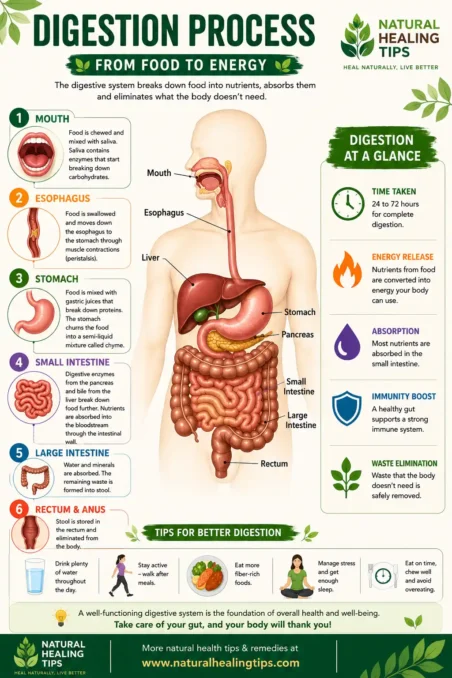
2. How Long Does Digestion Normally Take?
Many people expect food to digest immediately.
But digestion is actually a slow and complex process.
On average:
- stomach emptying may take 2–5 hours
- complete digestion may take 24–72 hours
Fatty meals usually digest more slowly than lighter meals.
Factors affecting digestion speed include:
- hydration
- physical activity
- age
- stress
- meal composition
- sleep quality
This is one reason heavy dinners may still affect how you feel the next morning.
3. Overeating Stretches the Stomach
Here’s something many people ignore:
Your stomach expands significantly during large meals.
When stretched excessively, digestion slows temporarily. The body redirects blood flow toward digestion, which may also explain why some people feel sleepy after eating.
Experts often recommend stopping at around 80% fullness rather than eating until “completely stuffed.”
In traditional Indian households, eating slowly and sitting calmly after meals has long been encouraged for this reason.
👉 Many people also notice unusual tiredness after eating large meals: Why Do I Feel Sleepy After Meals?
4. Gas Production Can Create Pressure
Certain foods ferment inside the digestive tract and produce gas.
Common triggers include:
- beans
- carbonated drinks
- onions
- cabbage
- dairy
- artificial sweeteners
- excess sugar
This gas buildup can make the stomach feel hard, swollen, and heavy.
You may have noticed that some foods feel fine one day but uncomfortable another day. That’s because stress, hydration, gut bacteria, and meal timing also influence digestion.
5. Stress Can Quietly Affect Digestion
Many people focus only on food but overlook stress.
Your digestive system is strongly connected to the nervous system. During stress or anxiety, the body prioritizes “fight or flight” responses instead of digestion.
This can lead to:
- stomach tightness
- indigestion
- slower digestion
- acid reflux
- bloating
Research increasingly shows that emotional stress can directly affect gut movement and digestive comfort.
👉 If digestive discomfort keeps happening frequently, understanding the root causes can help: Natural Remedies for Digestive Problems
↗ Researchers discussed by Harvard Health highlight the strong connection between stress, the nervous system, and digestive health.
6. Can Gut Health Influence How Heavy You Feel After Eating?
Yes — and this is an area receiving enormous attention from researchers.
Your digestive tract contains trillions of bacteria collectively known as the gut microbiome.
These bacteria help with:
- digestion
- fermentation
- nutrient absorption
- immune support
When gut bacteria become imbalanced, some people may experience:
- bloating
- excess gas
- fullness
- irregular digestion
This imbalance may happen due to:
- poor diet
- chronic stress
- lack of sleep
- frequent antibiotics
- low fiber intake
Foods that may support gut health include:
- yogurt
- kefir
- fermented foods
- fiber-rich fruits
- oats
Digestive health is increasingly viewed as a long-term lifestyle pattern rather than a quick fix.
👉 Supporting gut bacteria may improve digestive comfort over time: Gut Health Foods for Better Digestion
7. Eating Too Fast Introduces Extra Air
Fast eating often causes people to swallow excess air.
This may sound minor, but it contributes significantly to:
- bloating
- burping
- heaviness
- stomach pressure
People who eat while watching TV, scrolling phones, or working often don’t chew properly.
Digestion actually begins in the mouth.
8. Certain Food Combinations May Feel Heavy
Some combinations are harder for the body to process.
For example:
- fried food + sugary desserts
- heavy cream sauces + soft drinks
- large rice meals + deep-fried snacks
- excessive dairy + spicy foods
In Ayurveda, digestion is often linked to “digestive fire” or Agni. Heavy, oily, cold, and incompatible food combinations are believed to weaken digestion temporarily.
9. Why You May Feel Heavy Even After Healthy Meals
This surprises many people.
Even nutritious foods can sometimes cause digestive heaviness if the digestive system is already stressed or sensitive.
For example:
- very high-fiber meals
- large raw salads
- protein-heavy meals
- excessive smoothies
- beans and legumes
- dairy-rich “healthy” foods
can still feel difficult to digest for some individuals.
One interesting thing researchers have found is that digestion depends not only on food quality, but also on:
- gut bacteria balance
- digestive enzyme activity
- stress levels
- meal size
- chewing quality
A person eating healthy food too quickly may still experience bloating and fullness.
In Ayurveda, even healthy foods are believed to become “heavy” when digestion is weak.
This is why warm, cooked, lighter meals are often recommended during periods of digestive discomfort.
10. Lack of Movement After Meals Can Slow Digestion
Lying down immediately after eating is one of the most overlooked habits.
Gentle movement helps digestion naturally.
Even a slow 10-minute walk may help:
- stomach emptying
- blood circulation
- gas movement
- bloating reduction
This is one reason why many cultures traditionally encourage walking after meals.
Common Symptoms That May Accompany Stomach Heaviness
Feeling heavy after eating may appear alongside:
- bloating
- burping
- acid reflux
- stomach pressure
- nausea
- excessive fullness
- fatigue
- sleepiness
- gas
- mild cramps
Sometimes the discomfort lasts only 30–60 minutes.
In other cases, it may continue for several hours.
↗ According to NHS, bloating and stomach fullness are common digestive complaints that may sometimes relate to diet, stress, or underlying digestive conditions.
While This Is Usually Harmless, There Are Times When You Should Pay Attention
Most cases are mild and temporary.
However, organizations like the World Health Organization, NHS,Mayo Clinic note that persistent digestive symptoms should not be ignored.
Seek medical attention if you experience:
- severe abdominal pain
- unexplained weight loss
- vomiting
- blood in stool
- persistent nausea
- trouble swallowing
- frequent acid reflux
- ongoing bloating
- chest pain
- symptoms lasting several weeks
👉 Persistent heaviness after meals may sometimes indicate poor digestive function: Signs Your Digestion Is Weak
Sometimes heaviness after eating may be linked to:
- gastritis
- GERD
- ulcers
- food intolerance
- gallbladder issues
- irritable bowel syndrome
- delayed gastric emptying
Early evaluation is always safer if symptoms become frequent or severe.
↗ Experts at Mayo Clinic note that persistent indigestion, pain, or ongoing digestive discomfort should not be ignored.
Best Home Remedies for Feeling Heavy After Eating
Natural digestion support often works best when multiple small habits are combined consistently.
1. Drink Warm Water Slowly After Meals
Cold beverages may sometimes make digestion feel slower for sensitive individuals.
Warm water is one of the simplest home remedies for feeling heavy after eating, especially after oily or oversized meals. Warm water can help relax digestive muscles and improve comfort.
How to use:
- Sip slowly 20–30 minutes after meals
- Avoid drinking excessive amounts immediately during meals
Expected results:
- reduced bloating
- lighter stomach feeling
- better comfort
2. Ginger Tea May Help Digestion Naturally
Ginger contains compounds like gingerol that may support stomach emptying and digestive comfort.
Ginger is considered one of the most effective home remedies for feeling heavy after eating because it may help stimulate digestion naturally.
Many readers notice improvement within days.
How to prepare
- Boil 1 inch fresh ginger in water for 5–7 minutes
- Strain and drink warm
Best timing
- after meals
- evening digestion support
Precautions
Avoid excessive amounts if you have severe acid reflux or are advised against ginger medically.

3. Fennel Seeds Can Reduce Fullness
In many Indian kitchens, fennel seeds are traditionally consumed after meals.
Why?
They may help relax digestive muscles and reduce gas buildup.
Usage
- Chew ½ teaspoon fennel seeds after meals
OR - Prepare fennel tea
Expected benefits:
- fresher breath
- less bloating
- improved comfort
4. Take a Gentle Walk After Eating
This simple habit is often underestimated.
Even 10–15 minutes of slow walking may help:
- digestion speed
- blood sugar balance
- gas movement
- fullness reduction
Most people ignore this easy habit.
That’s a mistake.

5. Eat Smaller Portions More Slowly
Large meals overload digestion.
Instead:
- chew thoroughly
- eat without distractions
- stop before extreme fullness
- take smaller servings initially
One practical trick:
Use slightly smaller plates for dinner.
6. Avoid Lying Down Immediately
Lying flat may worsen:
- heaviness
- reflux
- bloating
Try waiting at least 2–3 hours before sleeping after dinner.
This is especially important for people who experience nighttime acidity.
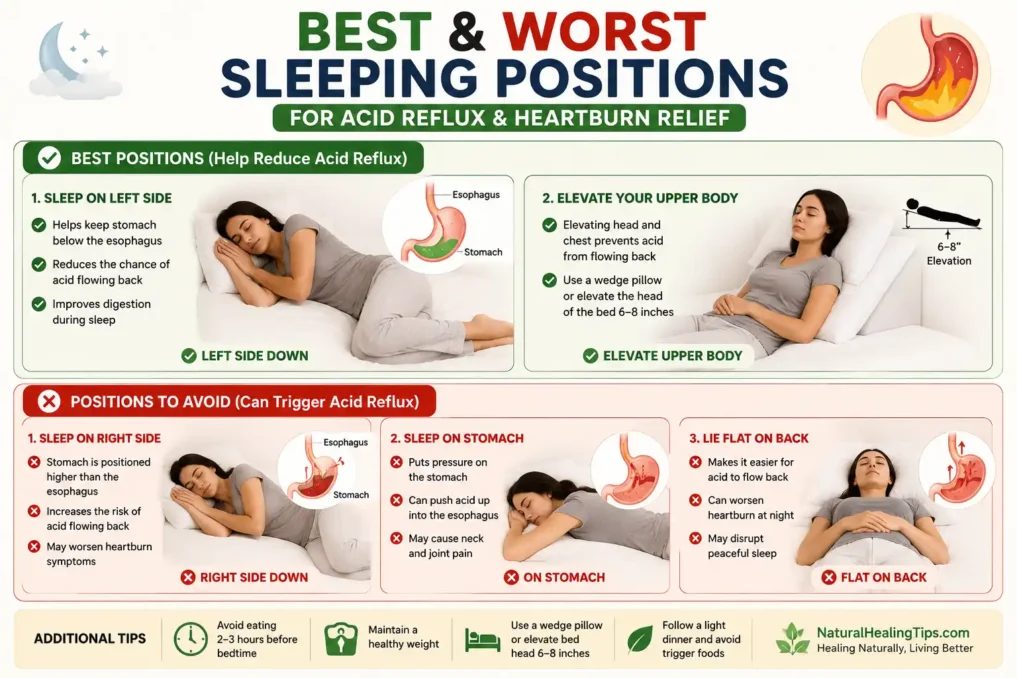
7. Best Sleeping Position for Better Digestion
If you often feel heavy after dinner, your sleeping position may matter more than you realize.
Experts commonly suggest sleeping on the left side for digestive comfort.
Why?
The stomach naturally sits slightly toward the left side of the body. Sleeping on the left may help reduce:
- acid reflux
- food backflow
- nighttime heaviness
On the other hand, lying flat immediately after eating may worsen:
- bloating
- acidity
- chest discomfort
Try keeping:
- dinner lighter
- meal timing earlier
- head slightly elevated if reflux occurs
8. Try Ajwain (Carom Seeds)
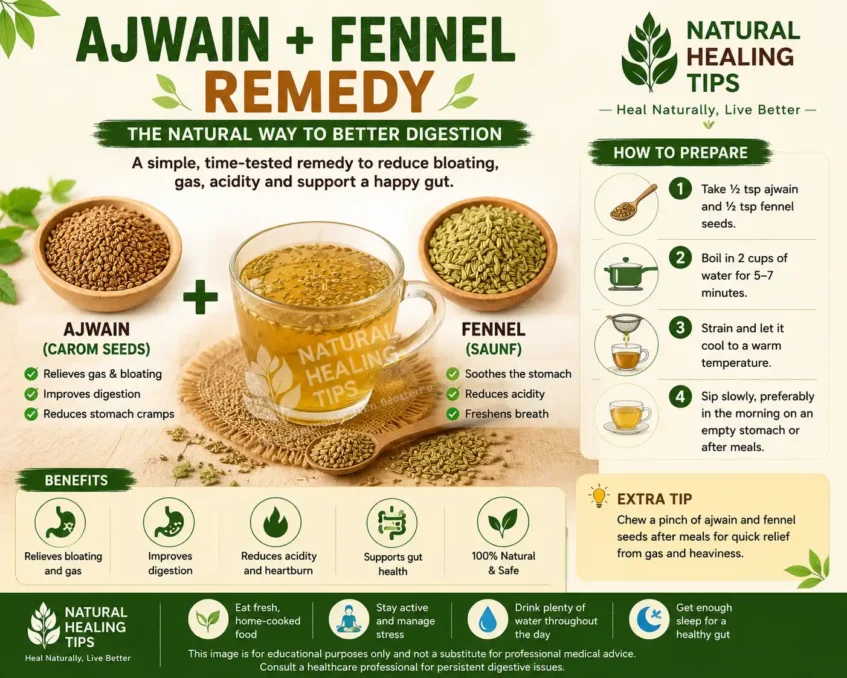
In traditional Indian households, ajwain is commonly used among natural home remedies for feeling heavy after eating.
It contains thymol, which may support digestive enzyme activity.
Simple method
- Mix ½ teaspoon ajwain with warm water
OR - chew lightly roasted ajwain after meals
Many people use this remedy after festival meals or heavy dinners.
9. Reduce Extremely Processed Foods
Ultra-processed foods often contain:
- excess sodium
- unhealthy fats
- additives
- artificial sweeteners
These may contribute to bloating and sluggish digestion.
Try replacing:
- chips → roasted nuts
- sugary soda → herbal tea
- fried snacks → fruit or yogurt
Small swaps matter more than perfection.
10. Peppermint Tea May Calm Digestive Discomfort
Peppermint may help relax digestive muscles.
Some people notice:
- reduced bloating
- less stomach pressure
- improved comfort
However, people with acid reflux may need caution because peppermint can sometimes worsen reflux symptoms.
Some people also include peppermint tea among their preferred home remedies for feeling heavy after eating due to its calming digestive effects.
11. Improve Your Eating Schedule
Irregular eating confuses digestion.
Try:
- consistent meal timing
- lighter dinners
- avoiding midnight snacking
- limiting overeating during weekends
Your digestive system loves rhythm.
Hidden Habits That Quietly Make Stomach Heaviness Worse
Sometimes the problem is not just food.
Daily habits may quietly slow digestion over time.
Eating While Distracted
Watching TV or scrolling on phones while eating often leads to:
- poor chewing
- overeating
- swallowed air
The brain also becomes less aware of fullness signals.
Drinking Too Much Water During Meals
Small sips are usually fine.
But excessive fluid intake during meals may leave some people feeling overly full and uncomfortable.
Chronic Sleep Deprivation
Poor sleep may influence:
- hunger hormones
- digestion speed
- cravings
- acid reflux risk
Many readers notice digestive discomfort becomes worse during stressful or sleep-deprived periods.
Constant Snacking
The digestive system also needs recovery time.
Frequent snacking all day may prevent proper digestive rest.
Foods That Commonly Trigger Stomach Heaviness
Some foods naturally take longer to digest and may increase bloating or fullness.
Common triggers include:
- deep-fried foods
- creamy sauces
- processed meats
- sugary desserts
- excessive cheese
- carbonated beverages
- alcohol
- ultra-processed snacks
For some people, even healthy foods like broccoli, beans, onions, or dairy may trigger digestive discomfort due to food sensitivity or fermentation inside the gut.
Keeping a simple food journal for a few days may help identify personal triggers.
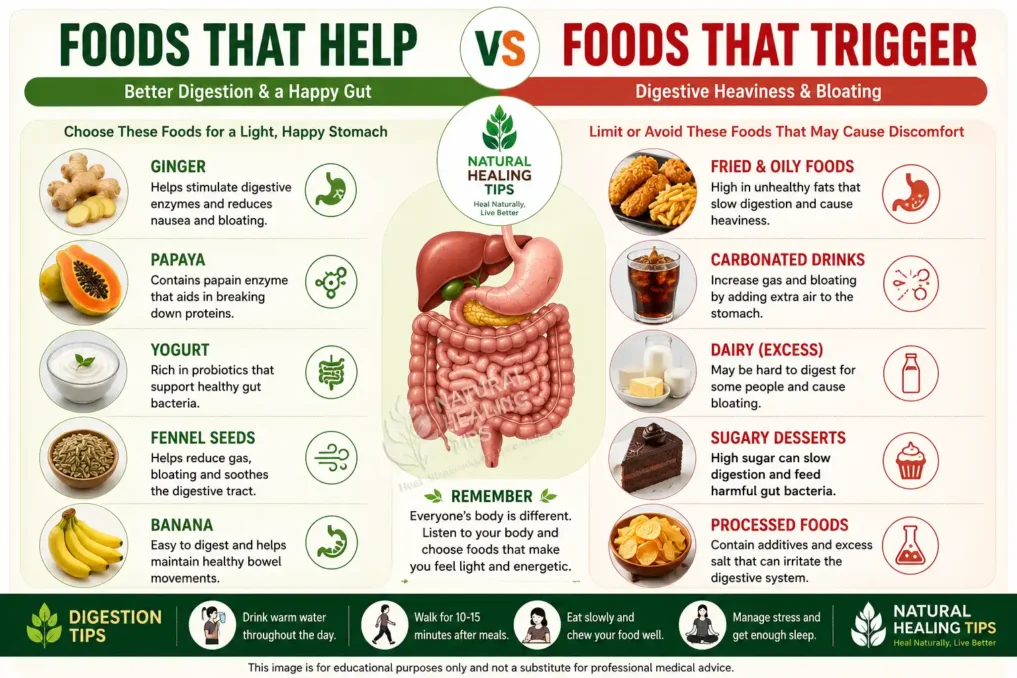
Foods That May Help Digestion
| Foods That Help | Foods That May Trigger Heaviness |
|---|---|
| Ginger | Deep-fried foods |
| Yogurt | Excess cheese |
| Papaya | Sugary desserts |
| Banana | Carbonated drinks |
| Fennel | Processed snacks |
| Warm soups | Heavy cream sauces |
| Herbal tea | Excess alcohol |
| Oats | Very spicy oily meals |
These foods are commonly included among natural home remedies for feeling heavy after eating because they may support smoother digestion and reduce bloating naturally.
👉 Some foods may help reduce gas and post-meal bloating naturally: Foods That Stop Bloating Immediately at Home
What to Drink for Better Digestion
Many people focus only on food and forget beverages.
Helpful options may include:
- warm water
- ginger tea
- fennel tea
- cumin water
- buttermilk
- peppermint tea
Avoid excessive:
- soda
- energy drinks
- sugary packaged juices
Want to test whether home remedies for feeling heavy after eating actually work for your body? Try this simple 3-day digestion reset routine.
Day 1
- Eat slowly
- Avoid fried foods
- Walk 10 minutes after meals
- Drink warm water
Day 2
- Add ginger tea
- Reduce sugary snacks
- Eat lighter dinner
- Avoid late-night eating
Day 3
- Add fennel or ajwain after meals
- Increase fruits and fiber
- Avoid overeating
- Focus on hydration
Many people notice:
- lighter digestion
- less bloating
- improved energy
- reduced discomfort
The key is consistency.
Morning Habits That May Support Better Digestion Throughout the Day
Your digestion often begins long before lunch or dinner.
Morning habits may influence digestive comfort for the entire day.
Helpful habits include:
- drinking warm water after waking
- eating breakfast slowly
- light stretching or walking
- managing stress early
- avoiding excessive caffeine on an empty stomach
Many people notice their digestion feels more balanced when mornings start calmly instead of rushing immediately into work or screens.
Consistent morning routines are often overlooked, but they may become powerful home remedies for feeling heavy after eating over time.

👉 Building simple morning habits may improve digestion throughout the day: Morning Routine for Better Digestion Naturally
Long-Term Habits That Actually Work
Temporary remedies help.
In many cases, the most effective home remedies for feeling heavy after eating are long-term lifestyle habits rather than temporary quick fixes.
But long-term digestive comfort usually depends on daily habits.
Focus on:
- mindful eating
- regular movement
- balanced meals
- hydration
- stress management
- sleep quality
- portion control
Sometimes the smallest daily habits quietly shape how we feel.
↗ The World Health Organization (WHO) emphasizes that long-term healthy eating patterns and lifestyle habits play a major role in overall digestive wellness.
Quick Summary
Home Remedies for Feeling Heavy After Eating
- Drink warm water slowly
- Try ginger tea
- Chew fennel seeds
- Walk after meals
- Avoid overeating
- Reduce processed foods
- Avoid lying down after eating
- Use ajwain carefully
- Improve meal timing
- Eat slowly and chew properly
Frequently Asked Questions
What really happens if food stays too long in the stomach?
Slow digestion may create bloating, fullness, nausea, and discomfort. Heavy meals and stress can contribute to delayed stomach emptying.
Can walking after meals actually improve digestion?
Yes. Gentle walking may support digestion, reduce bloating, and improve blood circulation after meals.
Why do some people notice heaviness even after small meals?
This may happen due to stress, food sensitivities, acid reflux, gastritis, or slower digestion.
Is feeling sleepy after eating normal?
Mild sleepiness after large meals can happen because digestion requires energy and blood flow. Heavy carbohydrate-rich meals may worsen this effect.
Can ginger really help digestion?
Ginger has been traditionally used for digestive comfort and may support stomach emptying and reduce nausea.
Why do oily foods feel heavier?
Fatty foods digest more slowly and can increase fullness and bloating.
Can stress affect digestion that much?
Absolutely. The gut and nervous system are closely connected. Stress can influence stomach movement, acid production, and digestion speed.
How quickly can natural remedies help?
Some people notice mild improvement within days, especially when combining hydration, portion control, and gentle movement.
Can dehydration cause stomach heaviness?
Yes. Inadequate hydration may slow digestion and contribute to constipation, bloating, and fullness.
Why does my stomach feel heavy at night?
Late dinners, overeating, lying down after meals, acid reflux, and slower nighttime digestion may contribute.
Can probiotics improve digestion?
Some people notice improvement with probiotic-rich foods that support gut bacteria balance.
Is bloating the same as stomach heaviness?
Not always. Bloating usually involves gas and swelling, while heaviness may also involve slow digestion or fullness.
Which home remedies for feeling heavy after eating work fastest?
Warm water, ginger tea, walking after meals, fennel seeds, and avoiding overeating are among the most commonly used natural remedies for quick digestive comfort.
Can lifestyle changes work better than quick home remedies for feeling heavy after eating?
Yes. While quick remedies may provide temporary relief, long-term habits like mindful eating, hydration, stress management, and regular movement often improve digestion more effectively over time.
Gentle Health Disclaimer
This article is for educational purposes only and should not replace professional medical advice. If you experience persistent digestive discomfort, severe pain, or ongoing symptoms, consult a qualified healthcare professional.
Final Thoughts
Feeling heavy after eating can be frustrating, uncomfortable, and surprisingly exhausting.
But in many cases, your body responds well to small consistent changes.
Better digestion is rarely about one “magic remedy.” It often comes from simple habits repeated daily—eating slower, choosing lighter foods, staying active, managing stress, and listening to your body more carefully.
The best home remedies for feeling heavy after eating are usually simple daily habits that support digestion consistently over time.
And sometimes, the improvement begins with something as simple as a warm cup of ginger tea and a short walk after dinner.






4 thoughts on “Home Remedies for Feeling Heavy After Eating”