
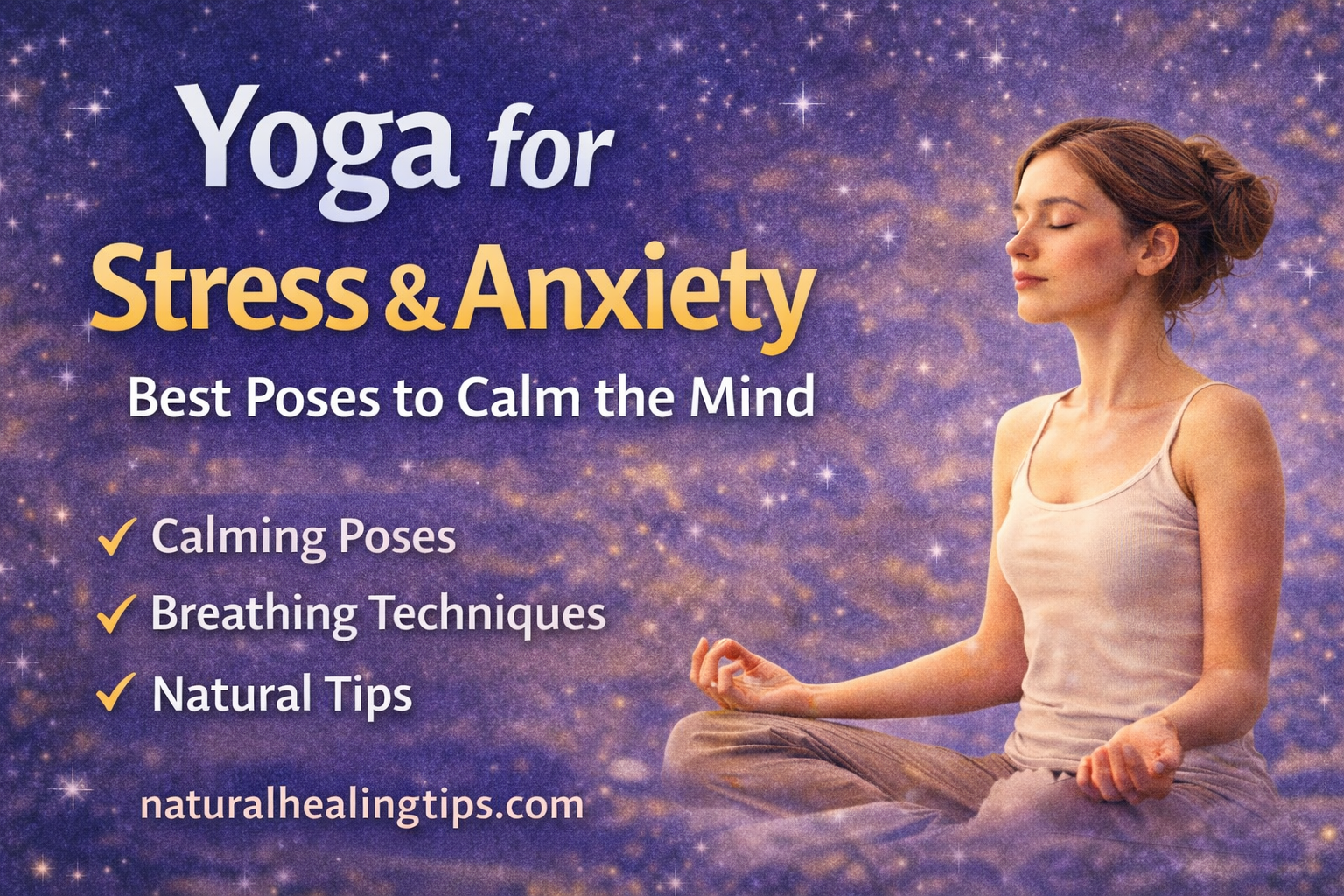
Yoga for Stress and Anxiety : Best Poses to Calm the Mind Naturally
In today’s fast-paced world, stress and anxiety have become common challenges affecting mental, emotional, and physical well-being. While medications may offer temporary relief, many people are now turning toward natural, holistic solutions. Yoga for stress & Anxiety is one of the most effective and time-tested practices to calm the mind, relax the nervous system, and restore inner balance naturally.
Yoga is not just physical exercise—it is a powerful mind-body healing practice that connects breath, movement, and awareness. Practicing Yoga for stress and Anxiety regularly can help reduce cortisol levels, improve sleep quality, enhance emotional stability, and promote long-term mental wellness.
In this guide, you’ll discover the best yoga poses to calm the mind, how yoga works for anxiety relief, and how to integrate yoga into your daily routine for lasting benefits.
How Yoga Helps Reduce Stress and Anxiety
Stress and anxiety trigger the body’s “fight or flight” response, keeping the nervous system in a constant state of alertness. Yoga for stress and Anxiety activates the parasympathetic nervous system—often called the “rest and digest” system—helping the body relax deeply.
Key Benefits of Yoga for Mental Health
- Lowers stress hormones like cortisol
- Improves oxygen flow through mindful breathing
- Enhances focus and emotional control
- Promotes better sleep and relaxation
- Strengthens the mind-body connection
Yoga also complements other mind-body healing practices, making it an essential part of holistic wellness.
👉 Learn more about holistic practices here: Mind-Body Healing Practices
Why Yoga for Stress & Anxiety Works Naturally
Unlike quick fixes, Yoga for stress & Anxiety addresses the root causes of mental tension. Gentle movements, combined with conscious breathing, slow down racing thoughts and calm overstimulated nerves.
Yoga helps by:
- Releasing physical tension stored in muscles
- Regulating breath patterns linked to anxiety
- Increasing mindfulness and present-moment awareness
When practiced consistently, yoga becomes a natural coping mechanism for daily stressors and emotional overwhelm.
👉 Yoga is often combined with other natural stress relief strategies: Natural Remedies for Stress and Anxiety
Best Yoga Poses to Calm the Mind
Below are the most effective yoga poses specifically known for reducing stress and anxiety. These poses are beginner-friendly and can be practiced at home.
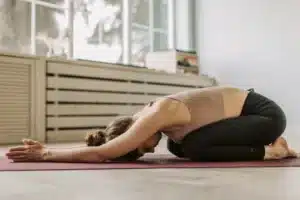
1. Child’s Pose (Balasana)
Child’s Pose is one of the most comforting postures in Yoga for stress and Anxiety. It gently stretches the spine and hips while encouraging deep relaxation.
Benefits:
- Calms the nervous system
- Relieves tension in the back and shoulders
- Encourages slow, deep breathing
How to practice:
Kneel on the floor, sit back on your heels, and stretch your arms forward while lowering your forehead to the mat. Breathe slowly for 1–3 minutes.
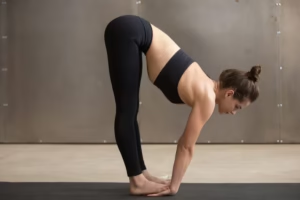
2. Cat–Cow Pose (Marjaryasana–Bitilasana)
This flowing movement synchronizes breath with motion, making it ideal for easing anxiety and mental fatigue.
Benefits:
- Releases spinal tension
- Improves breath awareness
- Reduces mental restlessness
This pose is often recommended alongside natural anxiety relief techniques.
👉 Explore more anxiety-relief methods here: Natural Anxiety Relief
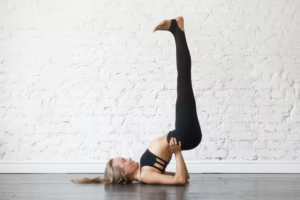
3. Legs Up the Wall (Viparita Karani)
One of the most powerful restorative poses in Yoga for stress and Anxiety, this posture instantly signals the body to relax.
Benefits:
- Reduces anxiety and fatigue
- Improves blood circulation
- Promotes deep relaxation
Practice this pose before bedtime for enhanced calmness and better sleep.
4. Seated Forward Bend (Paschimottanasana)
Forward bends are known to soothe the nervous system and quiet the mind.
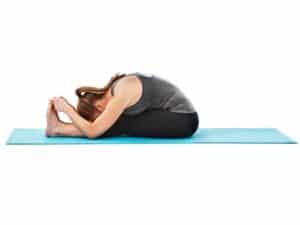
Benefits:
- Relieves mental tension
- Encourages introspection
- Calms anxious thoughts
Pair this pose with slow breathing for maximum stress-relieving effects.
5. Bridge Pose (Setu Bandhasana)
Bridge Pose gently opens the chest and heart, counteracting stress-induced slouching.
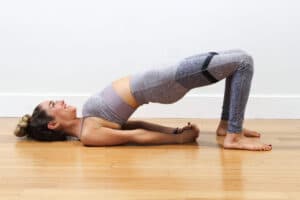
Benefits:
- Reduces fatigue and mild depression
- Stimulates relaxation response
- Improves emotional balance
6. Corpse Pose (Savasana)
No Yoga for stress and Anxiety practice is complete without Savasana. This pose allows the body and mind to absorb the benefits of yoga fully.
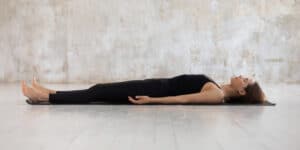
Benefits:
- Deep mental relaxation
- Reduces anxiety and overstimulation
- Improves overall mindfulness
Spend at least 5–10 minutes in Savasana at the end of your practice.
Breathing Techniques to Enhance Yoga for Stress and Anxiety
Breathwork (Pranayama) plays a crucial role in calming the mind.
Recommended Techniques:
- 4-7-8 Breathing Method
- Deep belly breathing
- Alternate nostril breathing (Nadi Shodhana)
These techniques work exceptionally well alongside yoga and are often used in natural sleep remedies.
👉 Read more here: Natural Sleep Remedies That Actually Work
Yoga for Stress and Anxiety and Better Sleep
Stress and anxiety are closely linked to sleep problems. Practicing Yoga for stress and Anxiety in the evening helps release tension accumulated throughout the day, preparing the body for restful sleep.
Yoga before bedtime:
- Lowers heart rate
- Slows racing thoughts
- Improves sleep quality naturally
Combining yoga with other natural sleep remedies creates a powerful holistic approach to insomnia and restlessness.
How Often Should You Practice Yoga for Stress and Anxiety?
Consistency matters more than intensity.
Recommended Routine:
- 10–15 minutes daily for beginners
- 20–30 minutes for deeper relaxation
- Morning or evening sessions
Even short daily sessions of Yoga for stress & Anxiety can produce noticeable improvements within weeks.
Lifestyle Tips to Support Yoga Practice
To maximize results, combine yoga with healthy lifestyle habits:
- Limit caffeine and processed foods
- Practice mindful eating
- Maintain a consistent sleep schedule
- Spend time in nature
These habits reinforce the calming effects of yoga and support overall mental well-being.
Final Thoughts: Make Yoga a Daily Tool for Calm
Yoga for stress and Anxiety is more than a workout—it’s a lifestyle practice that nurtures both mind and body. By incorporating simple yoga poses, mindful breathing, and relaxation techniques into your daily routine, you can naturally reduce stress, manage anxiety, and cultivate lasting inner peace.
Whether you’re a beginner or experienced practitioner, yoga offers a gentle yet powerful path toward emotional balance and holistic health.
For more guidance on natural wellness, explore our resources on mind-body healing, natural anxiety relief, and sleep wellness at NaturalHealingTips.com.
Also Read: National Institute of Health
⚕️ Medical Disclaimer
The information provided in this article is for educational and informational purposes only and is not intended as a substitute for professional medical advice, diagnosis, or treatment. Always seek the guidance of a qualified healthcare provider with any questions you may have regarding a medical condition, dietary change, or wellness practice. Never disregard or delay seeking professional medical advice because of information found on this website.
Natural remedies and lifestyle suggestions may not be suitable for everyone. Results may vary depending on individual health conditions.






2 thoughts on “Yoga for Stress and Anxiety Relief”