
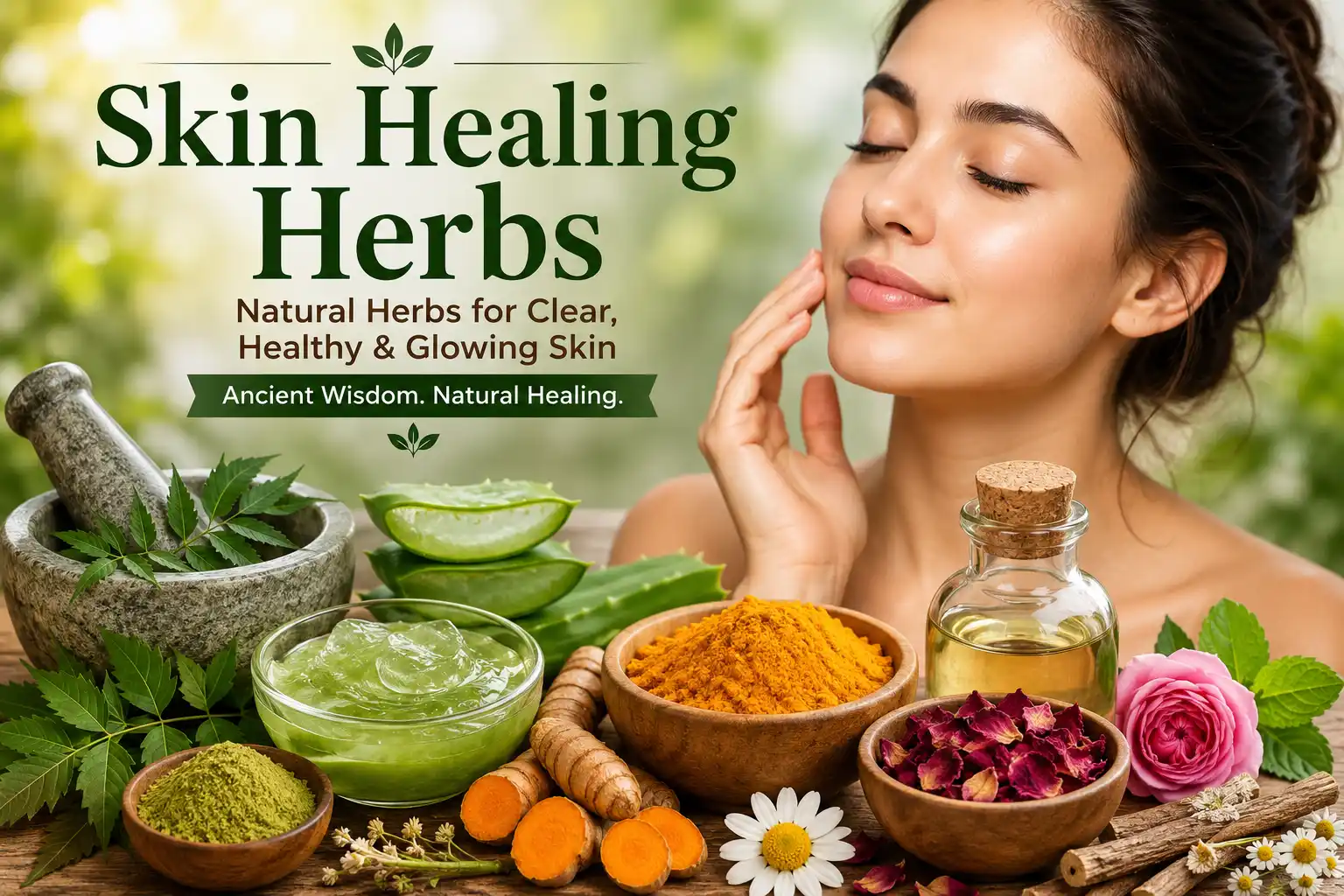
Skin Healing Herbs: Natural Remedies That May Help Repair Your Skin From Within
Have you ever wondered why some people seem to recover from acne marks, irritation, or dull skin faster than others?
Why do certain traditional herbs continue to appear in skincare routines generation after generation?
And what if the secret isn’t only what you apply on your skin—but also what helps your body heal internally?
Many readers tell us they try expensive creams for months without understanding one important truth: healthy skin repair begins much deeper than the surface.
Sometimes the skin is simply asking for support.
From pollution and stress to processed foods and lack of sleep, modern lifestyles constantly challenge the skin barrier. Yet in many traditional systems—including Ayurveda, Traditional Chinese Medicine, and folk herbal practices—specific herbs have long been used to support wound recovery, calm inflammation, and promote healthier-looking skin naturally.
The interesting part?
Modern research is now beginning to validate many of these traditional observations.
This guide explores the most effective skin healing herbs, how they work, how to use them safely, and what realistic results you can expect.
What Are the Best Skin Healing Herbs?
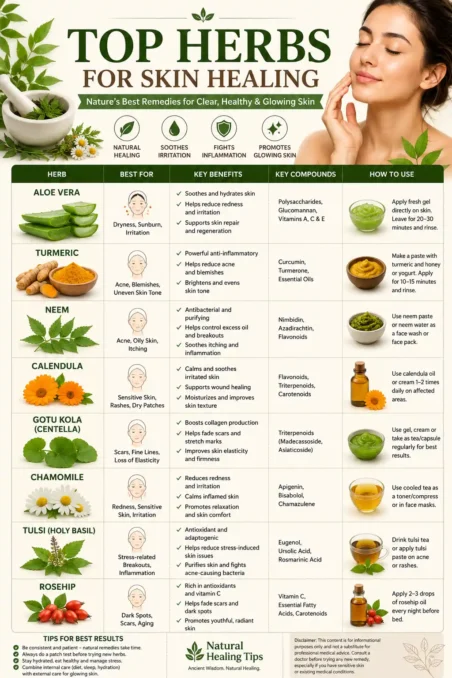
The best skin healing herbs commonly include:
- aloe vera
- turmeric
- neem
- calendula
- gotu kola
- chamomile
- tulsi
- rosehip
These herbs may help support hydration, calm inflammation, reduce irritation, and promote healthier-looking skin naturally.
Is This Common or Normal?
You’re not alone in this.
Skin irritation, breakouts, uneven texture, dryness, and slow healing are far more common than most people think. In fact, environmental stress, poor sleep, UV exposure, hormonal fluctuations, and dietary imbalance can quietly weaken the skin’s natural repair mechanisms over time.
You may have noticed that even small cuts take longer to heal during stressful periods. Or that acne scars seem darker after late nights and processed meals.
That’s not your imagination.
Experts increasingly recognize the connection between inflammation, oxidative stress, gut health, and skin recovery. While skincare products matter, the body’s internal healing environment plays an equally important role.
And this is where certain herbs may help.
Here’s What’s Really Happening Inside Your Body
Before understanding which herbs help the skin, it’s important to understand why skin damage happens in the first place.
1. Inflammation Can Slow Skin Recovery
One interesting thing researchers have found is that chronic inflammation can interfere with normal skin repair.
Inflammation may trigger:
- redness
- swelling
- acne flare-ups
- eczema irritation
- delayed wound healing
Certain herbs contain bioactive compounds that may help calm inflammatory pathways naturally.
↗ According to the Cleveland Clinic Inflammation Guide, chronic inflammation may affect multiple body systems, including skin health.
2. Oxidative Stress Damages Skin Cells
Your skin constantly faces free radical exposure from:
- pollution
- UV rays
- smoking
- processed foods
- chronic stress
This oxidative stress can weaken collagen and accelerate premature aging.
Antioxidant-rich herbs may help neutralize this damage.
3. Collagen Production Naturally Declines
Collagen acts like the skin’s structural support system.
After the mid-20s, collagen production gradually slows down. Poor nutrition, stress, and excessive sun exposure can worsen this process.
Some herbs may support collagen synthesis indirectly by reducing inflammation and improving circulation.
👉 Collagen-supportive foods may work alongside herbs to improve skin texture naturally: Natural Collagen Boosting Foods & Drinks
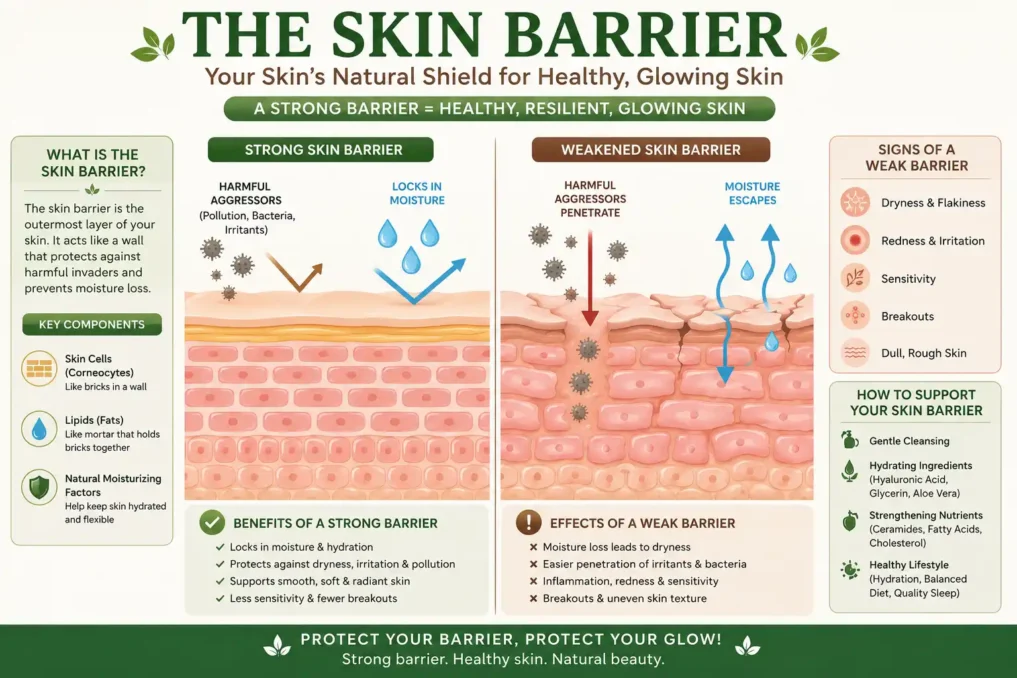
4. Skin Barrier Dysfunction Leads to Irritation
Your skin barrier helps retain moisture and block irritants.
When weakened, the skin becomes:
- dry
- itchy
- sensitive
- prone to infection
Several traditional herbs are known for their soothing and moisture-supportive properties.
5. Poor Blood Circulation Affects Healing
Healthy circulation delivers oxygen and nutrients to skin tissues.
Reduced circulation may slow repair and contribute to dull-looking skin.
Certain herbs traditionally used in Ayurveda and herbal medicine may help support circulation.
6. Gut Health and Skin Are Closely Connected
Many people ignore this connection.
Emerging research suggests the gut microbiome may influence:
- acne
- inflammation
- eczema
- skin sensitivity
This is why several skin-supportive herbs are also traditionally used for digestion and detoxification.
How Different Skin Problems Respond to Healing Herbs
This section helps rank for:
- acne herbs
- eczema herbs
- herbs for dry skin
- herbs for scars
- herbs for itchy skin
It also expands semantic relevance dramatically.
Herbs for Acne-Prone Skin
Not all acne is caused by poor hygiene.
Hormonal fluctuations, stress, inflammation, excess oil production, and gut imbalance may all contribute to breakouts.
Best Herbs for Acne
- neem
- tea tree
- tulsi
- turmeric
These herbs may help because they contain plant compounds studied for antimicrobial and anti-inflammatory effects.
What Actually Helps Most
Many readers focus only on spot treatments while ignoring:
- sleep quality
- sugar intake
- stress levels
- hydration
That often slows progress.
Herbs for Dry and Damaged Skin
If your skin feels tight after washing or develops flaky patches, your skin barrier may need support.
Most Helpful Herbs
- calendula
- aloe vera
- chamomile
- rosehip
These herbs may help improve moisture retention and reduce irritation.
Important Insight
Over-cleansing is one of the most overlooked causes of chronic dryness.
Herbs for Skin Redness and Sensitivity
Skin sensitivity has become increasingly common due to:
- pollution
- over-exfoliation
- harsh skincare acids
- stress
Gentle Options
- chamomile
- calendula
- aloe vera
Cold herbal compresses may provide temporary soothing support.
Herbs for Scars and Uneven Texture
Scars form when collagen repair becomes uneven.
Herbs Traditionally Used for Scar Support
- gotu kola
- rosehip
- turmeric
Consistency matters more than intensity.
Many people quit natural remedies too early before visible changes occur.
10 Best Skin Healing Herbs and How They Work
1. Aloe Vera — The Classic Skin Soother
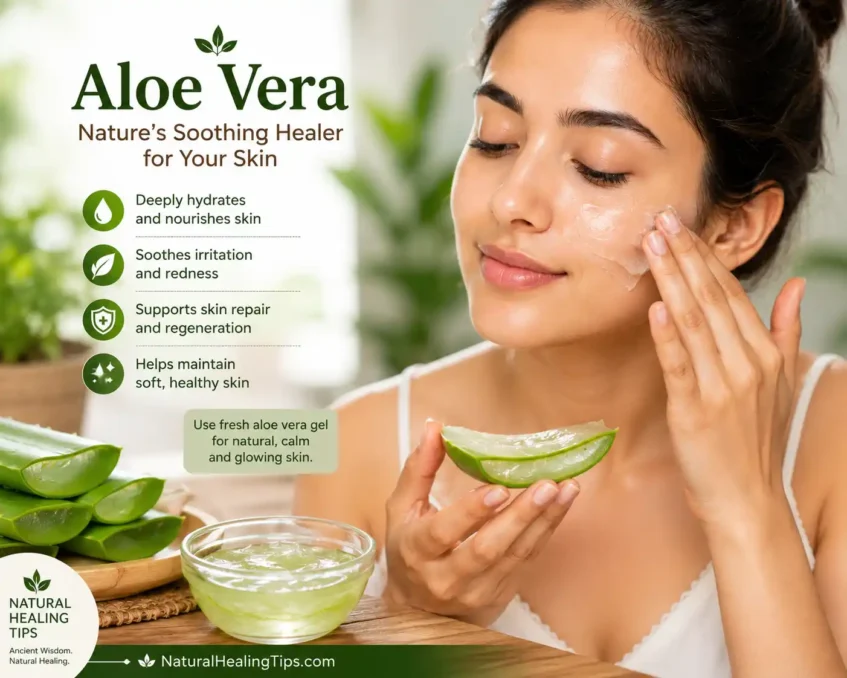
Aloe vera remains one of the most researched natural remedies for skin irritation and minor burns.
Its gel contains compounds like:
- polysaccharides
- glucomannan
- vitamins C and E
These may help support moisture retention and skin recovery.
↗ The National Institutes of Health – Aloe Vera Research page discusses ongoing research into aloe vera’s traditional wellness applications.
How to Use
- Apply fresh aloe vera gel directly to clean skin
- Leave for 20–30 minutes
- Rinse gently
Frequency
1–2 times daily.
Expected Results
Many people notice cooling relief within minutes and improved hydration within several days.
Precaution
Always patch test first, especially for sensitive skin.
👉 Want to explore deeper skincare and digestion benefits of aloe vera? Read: Aloe Vera and Its Benefits
2. Turmeric — Ancient Ayurvedic Skin Support
In traditional Indian kitchens, turmeric has been used for centuries for both cooking and skin rituals.
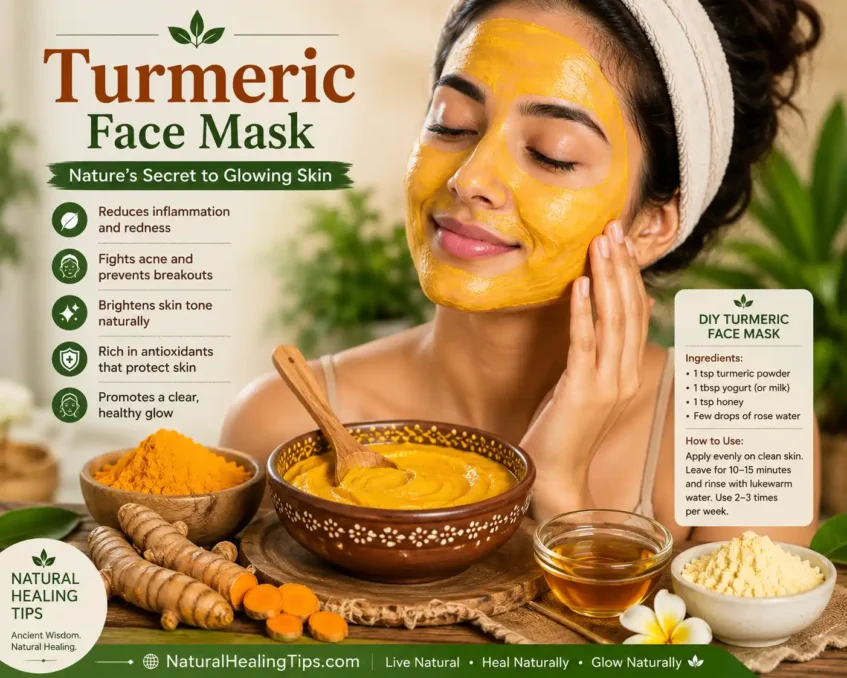
Curcumin—the active compound in turmeric—has antioxidant and anti-inflammatory properties that researchers continue studying extensively.
Why It May Help
Turmeric may support:
- acne-prone skin
- post-inflammatory marks
- uneven tone
- irritation
Preparation
Mix:
- 1 teaspoon turmeric
- 1 tablespoon yogurt or honey
Apply as a thin mask.
Timing
Leave for 10–15 minutes.
Important Note
Too much turmeric may temporarily stain lighter skin tones or fabrics.
👉 Discover more science-backed wellness uses of turmeric: Turmeric Benefits
3. Calendula — Gentle Support for Sensitive Skin
Calendula flowers are often used in herbal creams and balms designed for dry or irritated skin.
The herb contains flavonoids and triterpenoids that may help calm the skin.
Best For
- minor irritation
- dry patches
- rough texture
- sensitive skin support
Usage
Use calendula-infused oil or cream once or twice daily.
What Results to Expect
Some people notice softer skin texture within a week.
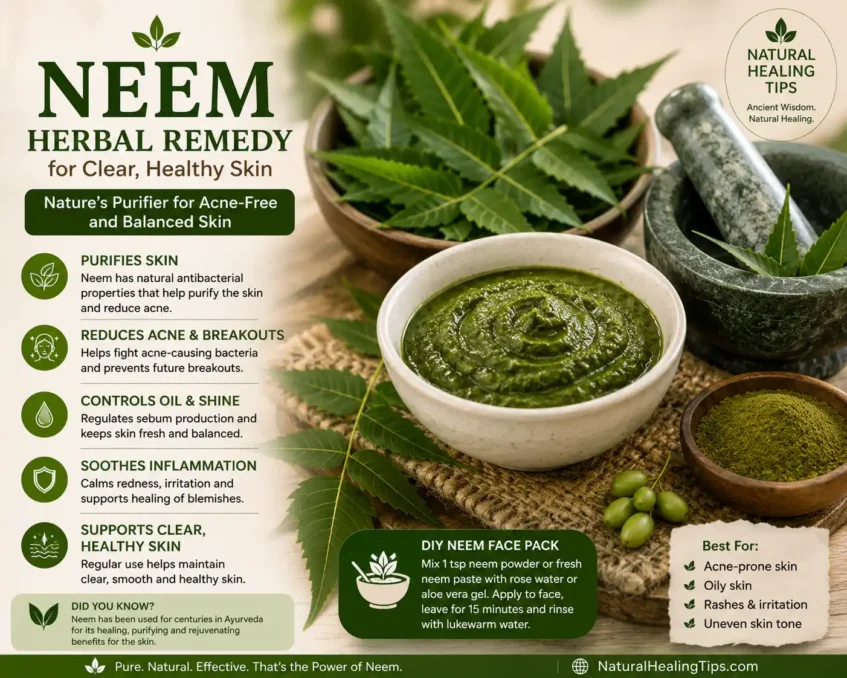
4. Neem — Traditional Herbal Purifier
Neem is deeply rooted in Ayurvedic skincare traditions.
It contains compounds such as nimbidin and azadirachtin, which are being studied for their antimicrobial and anti-inflammatory potential.
Why People Use Neem
Neem is commonly used for:
- oily skin
- acne-prone skin
- itchy skin conditions
Preparation
Boil neem leaves in water, cool, and use as a facial rinse.
Or mix neem powder with rose water into a paste.
Frequency
2–3 times weekly.
Precaution
Neem can feel drying for some skin types.
5. Gotu Kola — The Collagen Support Herb
Many people have never heard of Gotu Kola, yet it appears in several premium skincare formulas.
Researchers are interested in compounds called triterpenoids, which may support collagen formation and skin repair.
Potential Benefits
- scar appearance support
- skin elasticity
- hydration
- wound recovery support
Usage
Gotu kola is available as:
- herbal tea
- capsules
- topical creams
Timing
Consistency matters more than overnight results.
6. Chamomile — Calm for Reactive Skin
If your skin becomes red during stress, weather changes, or harsh product use, chamomile may help provide soothing support.
Chamomile contains apigenin, a plant compound associated with calming effects.
Preparation
Brew chamomile tea, cool completely, and apply using a cotton pad.
Bonus Tip
Cold chamomile compresses may feel especially refreshing around tired eyes.
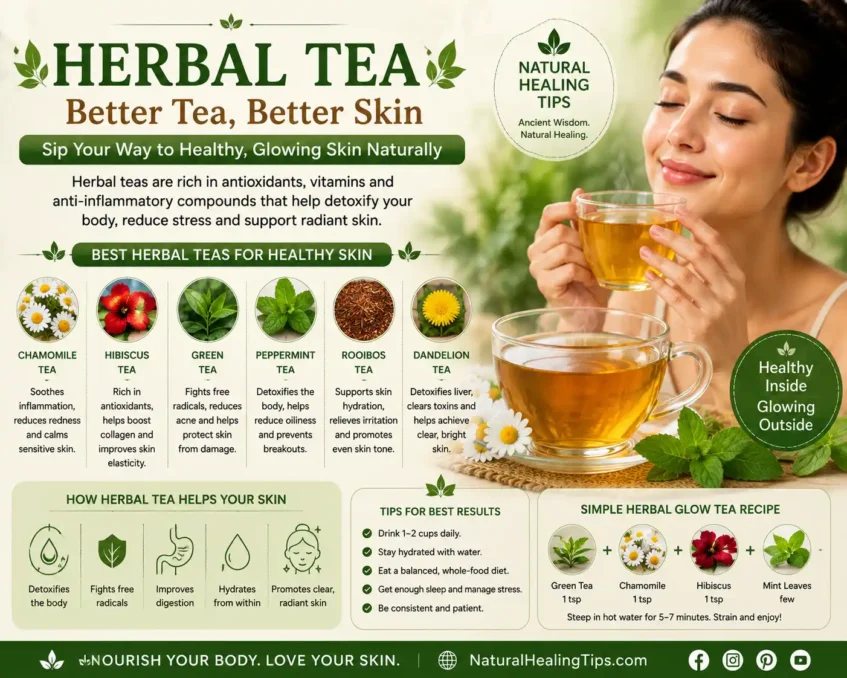
7. Holy Basil (Tulsi) — Stress and Skin Connection
Stress-related skin flare-ups are more common than people realize.
Tulsi is considered an adaptogenic herb in Ayurveda, meaning it may help the body respond better to stress.
Why This Matters
Stress hormones may worsen:
- acne
- dullness
- inflammation
↗ Researchers discussed by Harvard Health Stress and Skin Connection note that chronic stress may influence inflammation and skin flare-ups.
Usage
Drink tulsi tea 1–2 times daily.
Expected Benefits
Some readers report improvements in overall skin clarity when combined with better sleep and hydration.
👉 Chronic stress can quietly affect skin inflammation and breakouts. Learn more: Natural Remedies for Stress and Anxiety
8. Licorice Root — Uneven Tone Support
Licorice root contains glabridin, a compound studied for its skin-brightening potential.
Often Used For
- post-acne marks
- uneven pigmentation
- redness
How to Use
Look for creams or serums containing licorice extract.
Precaution
Avoid overusing concentrated DIY versions.
9. Rosehip — Natural Vitamin Support
Rosehip is rich in:
- vitamin C
- essential fatty acids
- antioxidants
These nutrients may help support smoother-looking skin.
Best Method
Apply cold-pressed rosehip oil at night.
Timing
Use 2–3 drops after cleansing.
Interesting Observation
Many users notice improved softness before visible scar reduction.
10. Tea Tree — Spot Treatment Support
Tea tree oil is widely used for occasional acne spots because of its antimicrobial properties.
Important Rule
Never apply undiluted tea tree oil directly.
Safe Usage
Mix 1–2 drops with a carrier oil.
Best For
- occasional blemishes
- oily skin areas
Best Skin Healing Herbs at a Glance
| Herb | Best For | Main Compounds | Typical Results Time |
|---|---|---|---|
| Aloe Vera | Burns, dryness | Polysaccharides | Few days |
| Turmeric | Inflammation | Curcumin | 1–3 weeks |
| Neem | Acne-prone skin | Nimbidin | 2–4 weeks |
| Calendula | Sensitive skin | Flavonoids | 1–2 weeks |
| Gotu Kola | Scars | Triterpenoids | 4–8 weeks |
| Chamomile | Redness | Apigenin | Few days |
| Tulsi | Stress-related flare-ups | Eugenol | 2–3 weeks |
| Rosehip | Texture support | Vitamin C | 3–6 weeks |
Causes of Poor Skin Healing
Several factors may interfere with skin recovery:
- dehydration
- poor sleep
- smoking
- high sugar intake
- nutrient deficiencies
- excessive sun exposure
- stress
- harsh skincare products
Sometimes the issue is not what you’re missing—but what you repeatedly expose your skin to.
Signs Your Skin Barrier May Be Damaged
You may notice:
- burning after skincare application
- excessive dryness
- tightness
- redness
- sudden sensitivity
- flaky patches
- itching
Overuse of exfoliants and harsh cleansers are common triggers.
Common Symptoms Your Skin May Need Extra Support
You may notice:
- dryness
- redness
- slow healing cuts
- acne scars
- dullness
- flaky texture
- irritation
- itchiness
Persistent symptoms deserve professional evaluation.
Who May Benefit Most From Skin Healing Herbs?
These remedies may especially interest people dealing with:
- acne-prone skin
- dry climates
- stress-related flare-ups
- dull skin
- post-acne marks
- sensitive skin
- pollution exposure
- aging skin concerns
When Should You Be Concerned?
While this is usually harmless, there are times when you should pay attention.
Organizations like the World Health Organization, National Health Service, and Mayo Clinic recommend medical evaluation for skin symptoms involving:
- severe infection
- rapidly spreading rashes
- bleeding lesions
- persistent wounds
- unexplained skin discoloration
- fever with skin irritation
Natural remedies can support wellness, but they should not replace professional diagnosis when symptoms are severe or persistent.
↗ The World Health Organization recommends medical attention for persistent or worsening skin conditions accompanied by infection or fever.
The Good News Is—Small Changes Can Make a Noticeable Difference
Practical Natural Solutions for Better Skin Healing
1. Improve Hydration
Skin repair depends heavily on water balance.
2. Increase Antioxidant Foods
Include:
- berries
- leafy greens
- turmeric
- nuts
3. Sleep Earlier
Your skin performs much of its overnight repair during sleep.
4. Reduce Excess Sugar
High sugar intake may contribute to collagen breakdown.
5. Protect Your Skin Barrier
Avoid over-exfoliating.
6. Use Gentle Cleansing
Harsh cleansers may worsen irritation.
7. Support Gut Health
Fermented foods may help support microbiome balance.
8. Manage Stress
Meditation, walking, yoga, and breathing exercises may indirectly benefit skin health.
9. Avoid Smoking
Smoking reduces circulation and accelerates skin aging.
10. Be Consistent
Natural remedies usually work gradually—not instantly.
↗ Experts at Mayo Clinic Skin Care Basics emphasize that gentle skincare habits and barrier protection play a major role in long-term skin health.
What Most People Get Wrong About Herbal Skin Healing
One of the biggest misconceptions is expecting overnight results.
Natural remedies often support the body gradually rather than forcing rapid changes.
Common Mistakes
- using too many herbs at once
- skipping patch tests
- over-exfoliating
- changing routines too frequently
- ignoring sleep and diet
- using strong essential oils incorrectly
Ironically, aggressive skincare routines sometimes damage the skin barrier further.
Simple routines are often more sustainable.
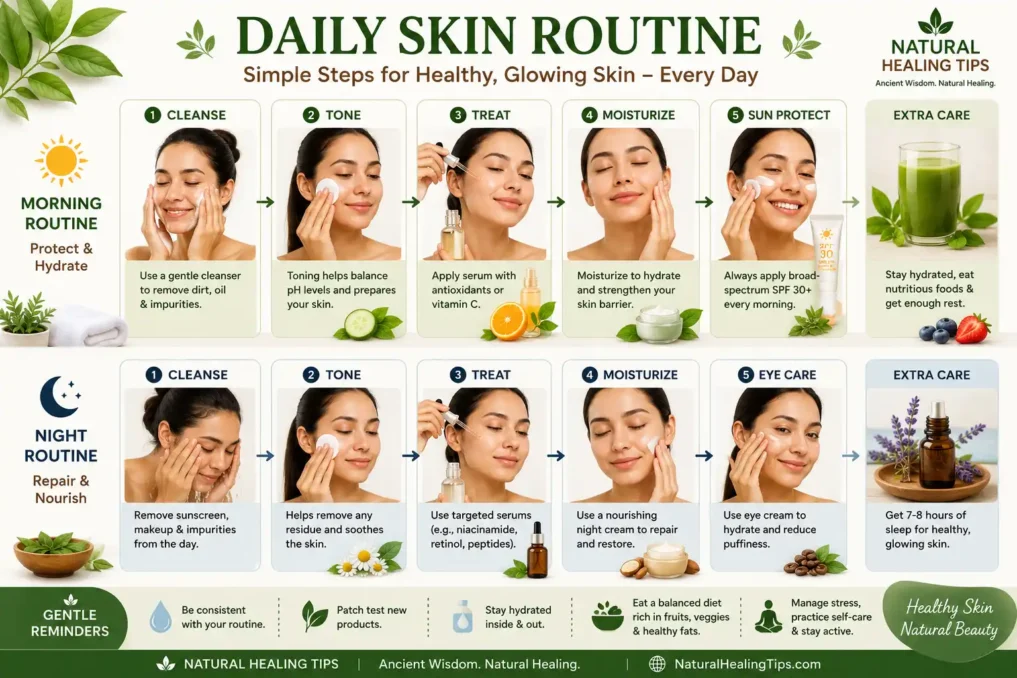
Simple Daily Routine for Naturally Healthier Skin
Morning Routine
- Gentle cleansing
- Aloe vera or lightweight moisturizer
- Sunscreen
- Hydration-rich breakfast
Afternoon Support
- Drink water regularly
- Reduce sugary snacks
- Manage stress levels
Evening Routine
- Mild cleansing
- Herbal treatment (rosehip/chamomile)
- Early sleep
Skin repair is heavily influenced by nighttime recovery.
👉 Your nighttime habits may influence skin repair more than you realize: Night Routine for Clear Skin Naturally
Want to See How Your Body Responds? Try This 3-Day Routine
Day 1
- Drink tulsi tea
- Apply aloe vera gel
- Increase water intake
Day 2
- Use turmeric face mask
- Eat antioxidant-rich meals
- Sleep before 11 PM
Day 3
- Apply rosehip oil at night
- Avoid processed foods
- Practice stress reduction
Many people notice subtle improvements in hydration and skin calmness within days.
Why Expensive Skincare Alone Sometimes Fails
Many products focus only on surface-level symptoms.
But skin health is often connected to:
- inflammation
- sleep quality
- stress hormones
- digestion
- nutrition
- environmental exposure
This explains why some people buy multiple products yet continue struggling with irritation or dullness.
Healthy skin is rarely built through one cream alone.
Foods That Support Skin Healing
Helpful Foods
- citrus fruits
- tomatoes
- spinach
- almonds
- pumpkin seeds
- yogurt
- fatty fish
Foods to Limit
- ultra-processed foods
- sugary drinks
- excessive alcohol
- deep-fried foods
Possible Side Effects and Precautions
Even natural remedies can trigger reactions in some individuals.
Possible Issues
- allergies
- skin irritation
- dryness
- photosensitivity
Important Safety Tips
- always patch test
- avoid applying herbs to open wounds unless medically advised
- stop use if irritation worsens
- consult a dermatologist for chronic conditions
Quick Summary
Best Skin Healing Herbs
- Aloe vera for soothing
- Turmeric for inflammation support
- Neem for acne-prone skin
- Calendula for sensitivity
- Gotu kola for collagen support
- Chamomile for calming irritation
- Tulsi for stress-related skin support
- Rosehip for hydration and texture
Lifestyle Habits That Matter
- better sleep
- hydration
- stress reduction
- antioxidant-rich foods
- gentle skincare
FAQs
What really happens if skin inflammation is ignored?
Chronic inflammation may weaken the skin barrier and contribute to irritation, breakouts, and uneven texture over time.
Can herbs actually improve skin healing?
Certain herbs contain antioxidants and anti-inflammatory compounds that may support natural skin recovery when used consistently.
Why do some people notice changes quickly?
Hydration and soothing effects may appear within days, while deeper skin changes often require several weeks.
Is turmeric safe for all skin types?
Not always. Sensitive skin may react to turmeric, so patch testing is important.
Can stress affect skin healing?
Yes. Stress hormones may worsen inflammation and delay skin repair.
Are Ayurvedic herbs scientifically studied?
Many Ayurvedic herbs, including turmeric and neem, are currently being researched for their bioactive compounds and skin-supportive potential.
What is the best herb for acne-prone skin?
Neem and tea tree are commonly used for oily and acne-prone skin, though individual responses vary.
Can herbs help repair the skin barrier naturally?
Certain herbs like aloe vera, calendula, and chamomile may help support moisture retention and calm irritation, which can indirectly support the skin barrier.
Which herb is best for glowing skin?
Turmeric, rosehip, and aloe vera are commonly used in natural skincare routines for brighter and healthier-looking skin.
How long do herbal remedies take to show results?
This depends on the condition, consistency, lifestyle habits, and skin type. Some soothing effects may appear quickly, while deeper improvements can take several weeks.
Can diet affect skin healing speed?
Yes. Nutrient deficiencies, dehydration, and high sugar intake may influence inflammation and collagen health.
Are natural remedies safer than chemical skincare?
Natural remedies can still cause irritation or allergies. Safe usage and patch testing remain important.
Gentle Health Disclaimer
This article is for educational purposes only and should not replace professional medical advice, diagnosis, or treatment. Always consult a qualified healthcare professional before trying new herbal remedies, especially if you have allergies, chronic skin conditions, or are taking medications.
Long-Term Skin Healing Is About Consistency
Healthy skin usually develops through repeated daily habits rather than occasional treatments.
Many people underestimate how strongly:
- sleep
- stress
- hydration
- diet
- gentle skincare
can influence long-term skin appearance.
Small consistent habits often create the biggest visible changes over time.
Final Thoughts
Healthy skin rarely comes from a single miracle product.
More often, it reflects the small daily choices people consistently make—sleep, hydration, nutrition, stress management, and gentle care.
Herbs may not create overnight transformation, but they can become supportive tools in a broader healing lifestyle. And sometimes, the simplest traditional remedies are the ones people return to for generations.
Your skin is constantly trying to repair itself.
The goal is to give it the support it needs.




4 thoughts on “Skin Healing Herbs for Clear, Glowing Skin”