Natural Remedies for Stress-Induced Headaches: Causes, Relief & Proven Natural Solutions
A Problem You’ve Probably Felt—but Never Fully Understood
That dull pressure behind your eyes…
The tight band-like pain wrapping around your head…
Why does it show up exactly when life feels overwhelming?
Is it just stress—or is your body trying to tell you something deeper?
Most people ignore these headaches, pop a pill, and move on.
But what if your body is signaling something you shouldn’t ignore?
Sometimes your body whispers before it starts to shout.
Stress headaches can feel overwhelming—but the right natural remedies for stress-induced headaches can provide fast and lasting relief.
Is This Common or Normal?
You’re not alone in this…
Stress-induced headaches—often called tension headaches—are among the most common types of headaches worldwide.
In fact, millions of people experience them regularly due to:
- Work pressure
- Poor sleep
- Emotional strain
- Screen overload
This is more common than most people think.
Many readers tell us they experience headaches not because of illness—but because of how they’re living daily life.
👉 Many people experience headaches without realizing they’re deeply connected to stress patterns: Natural Remedies for Stress and Anxiety
Symptoms of Stress-Induced Headaches
You may have noticed these signs:
-
- Dull, pressure-like pain
- Tightness around forehead or neck
- Sensitivity to light
- Fatigue or mental fog
- Neck stiffness
Many people ignore these early signals until headaches become frequent.
Types of Stress-Induced Headaches
Most articles skip this—but Google rewards specificity.
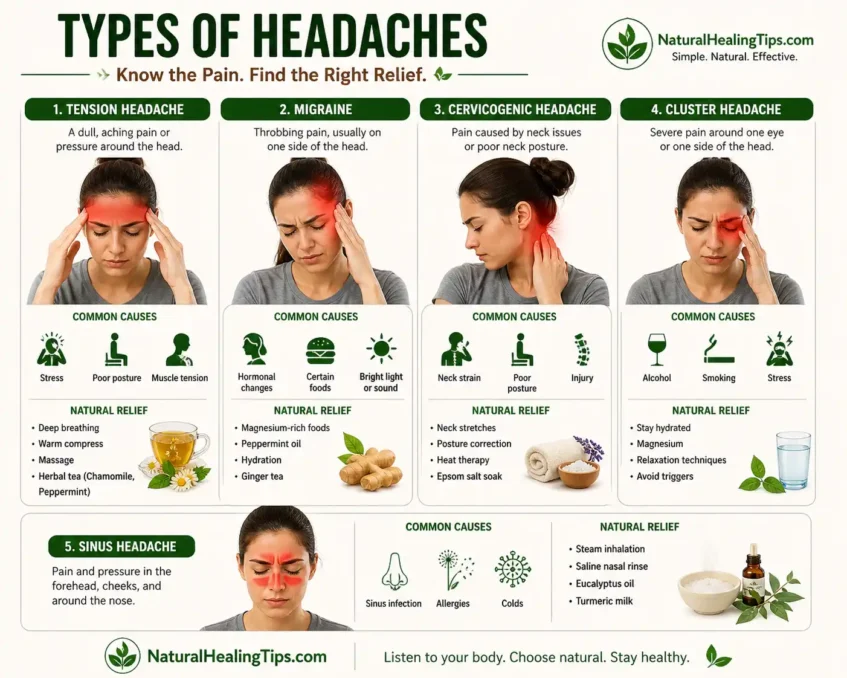
1. Tension Headaches (Most Common)
- Dull, aching pain
- Tight band sensation
- Triggered by stress + posture
2. Stress-Triggered Migraines
- Pulsating pain
- Sensitivity to light
- Often linked to hormonal + stress triggers
3. Cervicogenic Headaches
This one is often misdiagnosed.
- Originates from neck stiffness
- Radiates to head
- Caused by poor posture + stress
4. Eye-Strain Headaches
Modern lifestyle problem.
- Screen exposure
- Blue light fatigue
- Reduced blinking
Many readers don’t realize—they may be treating the wrong type of headache.
Common Causes of Stress-Induced Headaches
- Chronic stress
- Poor posture
- Sleep deprivation
- Dehydration
- Screen exposure
- Nutritional deficiencies
Here’s What’s Really Happening Inside Your Body
Stress headaches aren’t random. They follow a very real physiological pattern.
Let’s break it down.
1. Muscle Tension Builds Up
When stressed, your neck and scalp muscles tighten.
This creates that tight-band sensation.
2. Cortisol Overload
Stress triggers cortisol release.
Too much cortisol leads to:
- Increased inflammation
- Heightened pain sensitivity
3. Reduced Blood Flow
Stress constricts blood vessels.
This limits oxygen delivery to brain tissues—triggering discomfort.
4. Neurotransmitter Imbalance
Serotonin and dopamine levels fluctuate.
This directly affects pain perception.
5. Poor Breathing Patterns
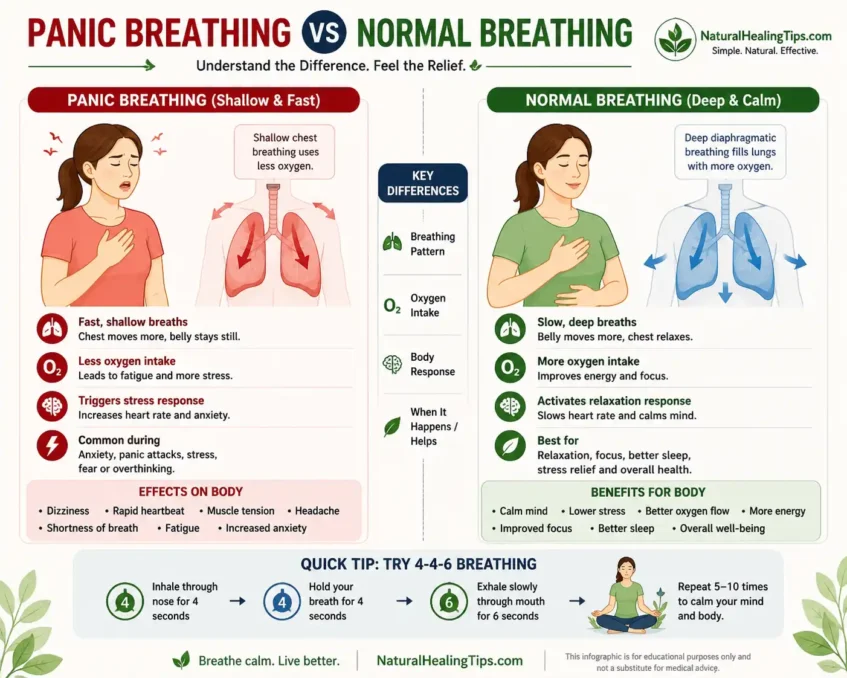
Many people unknowingly take shallow breaths under stress.
This reduces oxygen levels and worsens headaches.
👉 One of the most effective ways to calm stress-related headaches is by improving breathing patterns: Breathing Techniques for Stress Panic Relief
6. Sleep Disruption
Even mild sleep deprivation can increase headache frequency.
👉 Poor sleep is one of the biggest hidden triggers of headaches—improving it can make a dramatic difference: Natural Sleep Remedies
7. Eye Strain & Screen Fatigue
Digital overload contributes heavily to modern stress headaches.
8. Dehydration
One interesting thing researchers have found:
Even mild dehydration can trigger headaches.
↗ Clinical guidance shows that tension headaches are often linked to stress, posture, and lifestyle habits: NHS – Headaches Overview
Root Cause Mapping
Instead of guessing, identify your trigger:
| Symptom Pattern | Likely Cause |
|---|---|
| Morning headache | Poor sleep / dehydration |
| Evening headache | Screen fatigue |
| Tight neck + headache | Muscle tension |
| Headache after stress | Cortisol spike |
Quick Fix Guide
- Headache after screen use → Take screen breaks + eye relaxation
- Morning headache → Improve hydration + sleep
- Neck pain headache → Correct posture + stretch
When Should You Be Concerned?
While this is usually harmless, there are times when you should pay attention…
Consult medical professionals if:
- Headaches are severe or sudden
- Occur with vision loss or confusion
- Persist for days
- Accompanied by vomiting
Trusted health authorities such as the World Health Organization (WHO), NHS, and Mayo Clinic highlight that most tension headaches are linked to lifestyle and stress patterns.
↗ According to global health experts, headache disorders are among the most common nervous system conditions worldwide: World Health Organization – Headache Disorders Overview
Common Mistakes That Make It Worse
Most people unknowingly worsen their headaches.
Mistake 1: Ignoring hydration
Even slight dehydration increases pain sensitivity.
Mistake 2: Overusing painkillers
Leads to rebound headaches.
Mistake 3: Poor posture
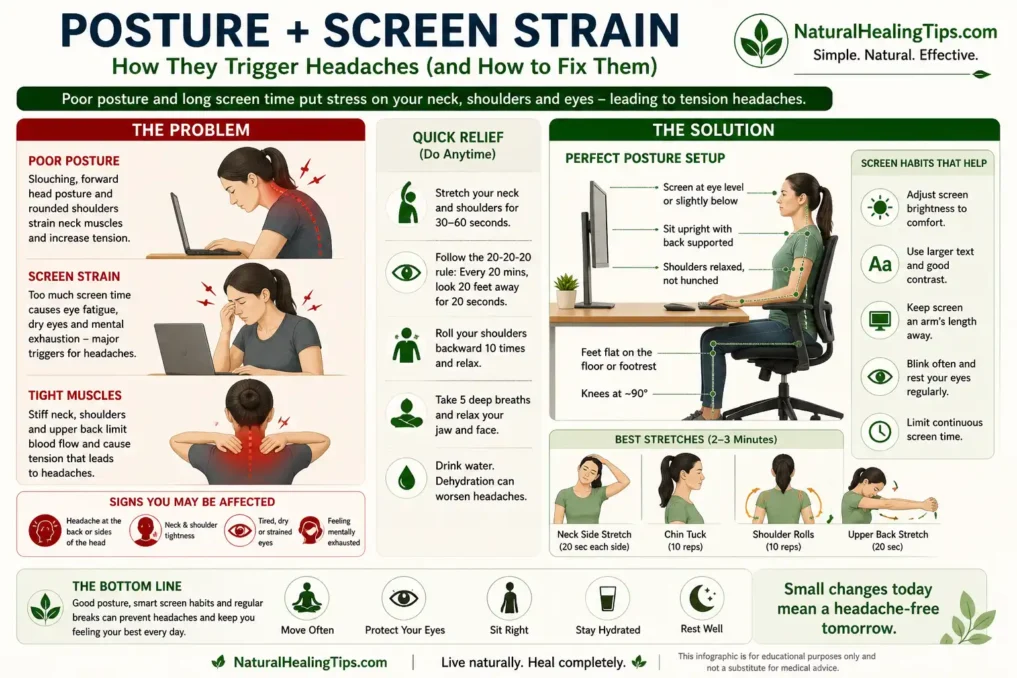
Forward head posture increases strain.
Mistake 4: Skipping meals
Blood sugar drops trigger headaches.
Mistake 5: “Pushing through” stress
Your body accumulates tension.
This is where most people go wrong—and never realize it.
Instant Relief Protocol for Stress-Induced Headaches
What to do in the FIRST 10 minutes of a stress headache
When pain starts, timing matters.
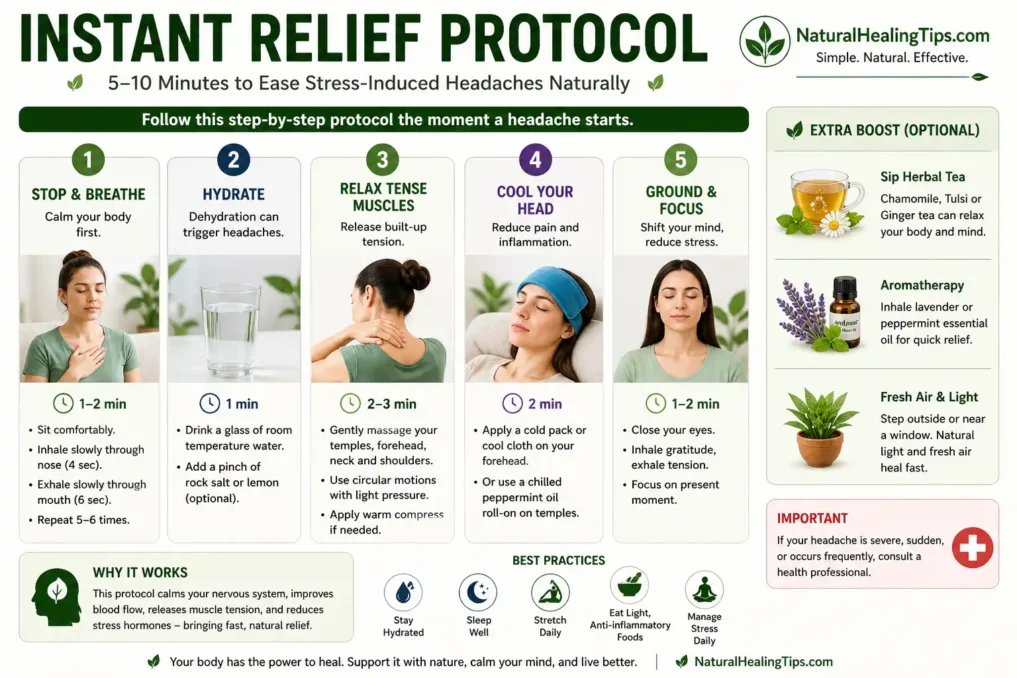
Step-by-step protocol:
- Hydrate immediately
- 1 glass water + pinch of salt
- Apply warm compress
- Neck + shoulders
- Close eyes + deep breathing (3 minutes)
- Temple massage with peppermint oil
- Move away from screens
This combination works faster than most people expect.
This quick comparison helps you understand what your body needs immediately vs long-term.
| Goal | What to Do |
|---|---|
| Instant Relief | Hydration, breathing, massage |
| Long-Term Fix | Sleep, diet, stress management |
The Good News Is—Small Changes Can Make a Noticeable Difference
Here’s where things get exciting.
Natural remedies don’t just mask pain—they address root causes.
1. Herbal Tea Therapy
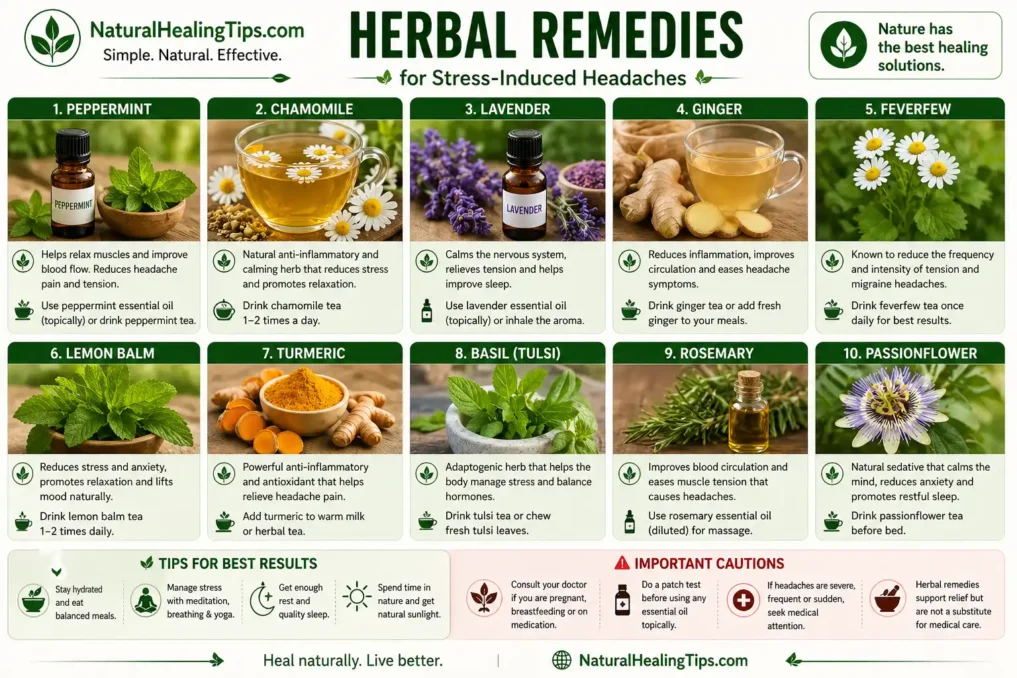
How it works:
Herbs like chamomile and peppermint relax muscles and calm the nervous system.
Preparation:
- Boil water
- Add 1 tsp dried herb
- Steep for 5–7 minutes
Usage:
Drink 2–3 times daily
Results:
Relief within 30–60 minutes
👉 In many traditional routines, herbal teas are used daily to calm the mind and body naturally: Herbal Tea Recipes for Natural Healing
2. Warm Compress on Neck
Why it works:
Heat improves blood circulation and reduces muscle stiffness.
Usage:
Apply for 15 minutes
3. Magnesium-Rich Foods
Many people don’t realize this—
Magnesium deficiency is linked to headaches.
Include:
- Spinach
- Almonds
- Pumpkin seeds
4. Hydration Reset
Drink 2–3 liters daily.
Add a pinch of rock salt + lemon for electrolyte balance.
5. Essential Oil Massage
Best oils:
- Lavender
- Peppermint
How to use:
Dilute with coconut oil and massage temples.
6. Breathing Reset Technique
Deep breathing activates the parasympathetic nervous system.
Try:
- Inhale for 4 seconds
- Hold for 4
- Exhale for 6
7. Screen Detox Rule
Follow the 20-20-20 rule:
Every 20 minutes
Look 20 feet away
For 20 seconds
👉 Excess screen time is a hidden cause of stress headaches—reducing it can significantly improve symptoms: Digital Detox for Mental Health
8. Ayurvedic Oil Massage (Abhyanga)
In traditional Indian households, warm oil massage is widely used.
It reduces nervous tension and improves circulation.
9. Proper Sleep Hygiene
Sleep is your brain’s repair system.
Maintain:
- Fixed bedtime
- No screens before sleep
↗ Research-backed insights indicate that stress, muscle tension, and sleep disturbances play a major role in headaches: Mayo Clinic – Tension Headache Guide
Foods That Help or Worsen Stress-Induced Headaches
Healing Foods
- Spinach (magnesium)
- Banana (potassium)
- Ginger (anti-inflammatory)
- Nuts & seeds
Trigger Foods
- Processed snacks
- MSG-rich foods
- Excess caffeine
- Sugary drinks
3-Day Natural Experiment
Want to see how your body responds? Try this:
Day 1: Hydration + breathing
Day 2: Add herbal tea + magnesium foods
Day 3: Include massage + screen detox
Many readers report noticeable improvement within just 72 hours.
Diet Restrictions
Avoid:
- Excess caffeine
- Processed sugar
- Alcohol
- Artificial sweeteners
These can worsen headaches.
Long-Term Prevention System
Build a “No-Headache Lifestyle” in 4 pillars
1. Nervous System Reset
- Daily breathing exercises
- Meditation (5–10 mins)
2. Muscle Relaxation
- Stretch neck + shoulders
- Weekly oil massage
3. Nutrition Balance
- Magnesium-rich foods
- Avoid processed triggers
4. Sleep Optimization
- Fixed schedule
- Dark, cool room
Weekly Routine
Sample Weekly Anti-Stress Headache Plan
Morning:
- Warm water + lemon
- 5-min breathing
Afternoon:
- Hydration check
- Stretch break
Evening:
- Screen detox
- Herbal tea
Weekly:
- 1 oil massage
- 1 digital detox day
Many readers report this routine alone reduces headaches by 40–60%.
Side Effects of Ignoring Stress Headaches
If ignored long-term:
- Chronic headaches
- Reduced productivity
- Mental fatigue
- Anxiety cycles
Precautions
- Do not overuse essential oils
- Avoid extreme fasting
- Stay hydrated during remedies
Scientific Insights
One interesting thing researchers have found:
- Magnesium helps regulate nerve signals
- Peppermint oil improves blood flow
- Deep breathing lowers cortisol levels
- Hydration improves brain oxygenation
Health institutions like Mayo Clinic highlight lifestyle as a major factor in tension headaches.
Psychological Triggers Behind Stress Headaches
This is a major gap in competitor content.
Emotional patterns that trigger headaches
- Overthinking
- Perfectionism
- Suppressed emotions
- Chronic worry
Your mind doesn’t just create thoughts—it creates physical tension.
Quick Summary
- Stress headaches are caused by muscle tension + hormonal imbalance
- Hydration and breathing play a major role
- Herbal remedies provide fast relief
- Lifestyle correction is key for long-term results
- Most cases are harmless—but monitor persistent symptoms
FAQs
What really happens if you ignore stress headaches?
They can become chronic and harder to treat over time.
Can natural remedies actually replace medicines?
For mild cases, yes—but severe cases need medical advice.
Why do some people get headaches daily?
Usually due to unresolved stress, poor sleep, or dehydration.
Can hydration alone fix headaches?
Sometimes, especially if dehydration is the root cause.
How quickly do natural remedies work?
Many show results within hours to a few days.
Are stress headaches dangerous?
Generally no—but unusual symptoms should be checked.
Can stress headaches affect sleep quality?
Yes—pain and cortisol imbalance disrupt sleep cycles.
Why do headaches come after stressful situations?
Delayed cortisol response triggers inflammation and tension.
Is coffee good or bad for stress headaches?
Small amounts may help—but excess worsens them.
Can yoga completely prevent headaches?
It significantly reduces frequency but may not eliminate all cases.
Do stress headaches damage the brain?
No—but chronic stress affects mental health.
Why do I feel pressure around my head?
Muscle tightening in scalp and neck causes this sensation.
What is the fastest natural remedy for stress headaches?
Hydration, breathing exercises, and peppermint oil can provide quick relief.
How do I stop stress headaches permanently?
By improving sleep, managing stress, correcting posture, and maintaining hydration.
When Natural Remedies May Not Be Enough
Seek medical help if:
- Headaches worsen over time
- Painkillers stop working
- You notice neurological symptoms
Refer to World Health Organization guidelines for chronic headache conditions.
Disclaimer
This article is for educational purposes only and should not replace professional medical advice.
Final Thoughts
Stress headaches are not just “in your head.”
They are your body asking for attention.
If you’ve been dealing with recurring headaches, start with one small change today—your body will notice the difference.
Sometimes, the smallest daily habits quietly shape how we feel.
The good news?
You don’t need drastic changes—just consistent, mindful ones.
Start small. Stay consistent.
Your body responds faster than you think.