

Natural Immunity Boosting Tips for All Seasons That Actually Work
Some people seem to recover quickly every time the weather changes. Others catch every seasonal infection, feel constantly tired, or struggle with low energy for months.
Why does this happen?
Is immunity only about supplements?
Does “healthy eating” alone really protect the body?
And why do some people still feel run down despite trying everything?
The truth is, immunity is rarely influenced by one single thing. It is deeply connected to sleep quality, stress hormones, gut health, hydration, inflammation, nutrient balance, emotional exhaustion, and even daily routines most people barely notice.
Many people focus only on quick fixes during flu season while ignoring the small habits that slowly weaken immune resilience throughout the year.
The encouraging part is this: your immune system responds remarkably well to consistent, realistic lifestyle improvements.
Not overnight.
Not magically.
But steadily.
This guide explores practical, science-backed, natural immunity boosting tips for all seasons — without exaggerated wellness claims or unrealistic routines.
What Are Natural Immunity Boosting Tips for All Seasons?
Natural immunity boosting tips for all seasons include maintaining quality sleep, hydration, gut health, balanced nutrition, stress management, regular movement, anti-inflammatory foods, and seasonal wellness habits that support immune resilience throughout the year.
You’re Not Alone in This
If you feel like your immunity gets weaker during seasonal changes, stressful periods, poor sleep phases, or after long work weeks, you’re far from alone.
This is more common than most people realize.
Many adults experience:
- frequent colds
- lingering fatigue
- slow recovery
- low energy during weather changes
- recurring throat irritation
- digestive discomfort
- stress-related exhaustion
What often surprises people is that immunity doesn’t work independently. The immune system constantly communicates with the gut microbiome, nervous system, hormones, inflammatory pathways, metabolism, and sleep cycles.
That’s why immunity struggles often appear during:
- emotional stress
- irregular meals
- sleep deprivation
- overworking
- excessive sugar intake
- dehydration
- digestive imbalance
- seasonal disruptions
And importantly, improvement usually happens gradually.
Most people who successfully improve immune resilience do not rely on extreme detoxes or expensive supplements. They build repeatable daily habits that support the body consistently across all seasons.
Here’s What’s Really Happening Inside Your Body
Your immune system is not a single organ. It is a highly coordinated defense network involving white blood cells, inflammatory signals, gut bacteria, hormones, nutrients, and cellular repair systems.
When these systems become overloaded or depleted, immune resilience weakens.
1. Chronic Stress Raises Stress Hormones
Long-term stress increases cortisol and adrenaline. While these hormones help during emergencies, chronically elevated levels may suppress immune response over time.
People under prolonged stress often notice:
- frequent illness
- poor sleep
- digestive discomfort
- slower recovery
- fatigue
- inflammation flare-ups
This is one reason emotional exhaustion can physically affect the body.
2. Poor Sleep Reduces Immune Recovery
During deep sleep, the body repairs tissues, regulates inflammation, and strengthens immune signaling.
Even a few nights of poor sleep may affect:
- infection resistance
- inflammation control
- recovery speed
- energy production
Many people underestimate how strongly sleep quality influences immunity.
↗ Research from the National Institutes of Health (NIH) also highlights the connection between sleep quality and immune function.
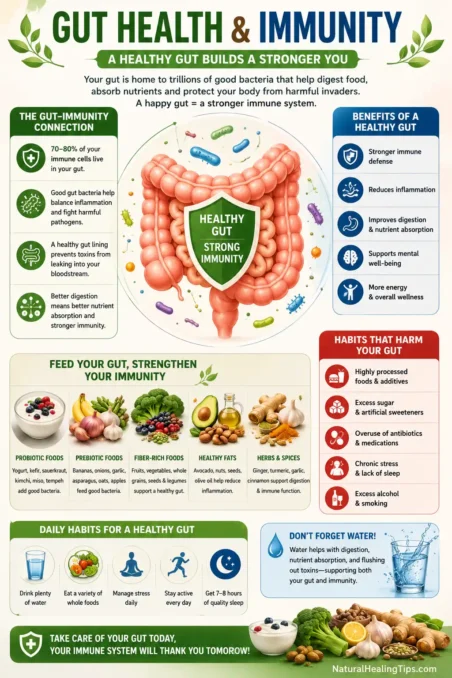
3. Gut Health Directly Influences Immunity
A significant portion of immune activity is connected to the gut microbiome.
↗ Experts at the Cleveland Clinic also emphasize the close relationship between gut health and immune balance.
Healthy gut bacteria help:
- regulate inflammation
- support nutrient absorption
- strengthen immune communication
- protect against harmful microbes.
👉 Poor digestion can silently affect immune resilience over time: Gut Health Foods for Better Digestion
This explains why digestive imbalance often coincides with lower immunity.
Fermented foods, fiber, hydration, and reduced ultra-processed foods can gradually improve gut balance.
4. Nutrient Deficiencies Can Weaken Immune Function
The immune system depends on nutrients like:
- vitamin C
- zinc
- vitamin D
- selenium
- iron
- protein
- antioxidants
Low nutrient intake may impair immune cell activity and recovery processes.
This is especially common in people with:
- restrictive diets
- poor digestion
- chronic stress
- irregular eating patterns
5. Excess Inflammation Drains the Body
Inflammation is necessary for healing, but chronic low-grade inflammation may burden immune function.
Common contributors include:
- excess sugar
- smoking
- processed foods
- sedentary lifestyle
- chronic stress
- sleep deprivation
People often describe this state as “constantly feeling run down.”
6. Dehydration Affects Respiratory and Cellular Function
Hydration helps:
- maintain mucus barriers
- support circulation
- remove waste products
- regulate body temperature
Dry air during winter or intense heat during summer can increase dehydration risk without people realizing it.
7. Sedentary Lifestyle Slows Immune Efficiency
Moderate movement improves circulation and supports immune surveillance.
But there is an interesting balance here.
Too little movement may weaken resilience. Excessive overtraining without recovery may also suppress immunity temporarily.
Consistency matters more than intensity.
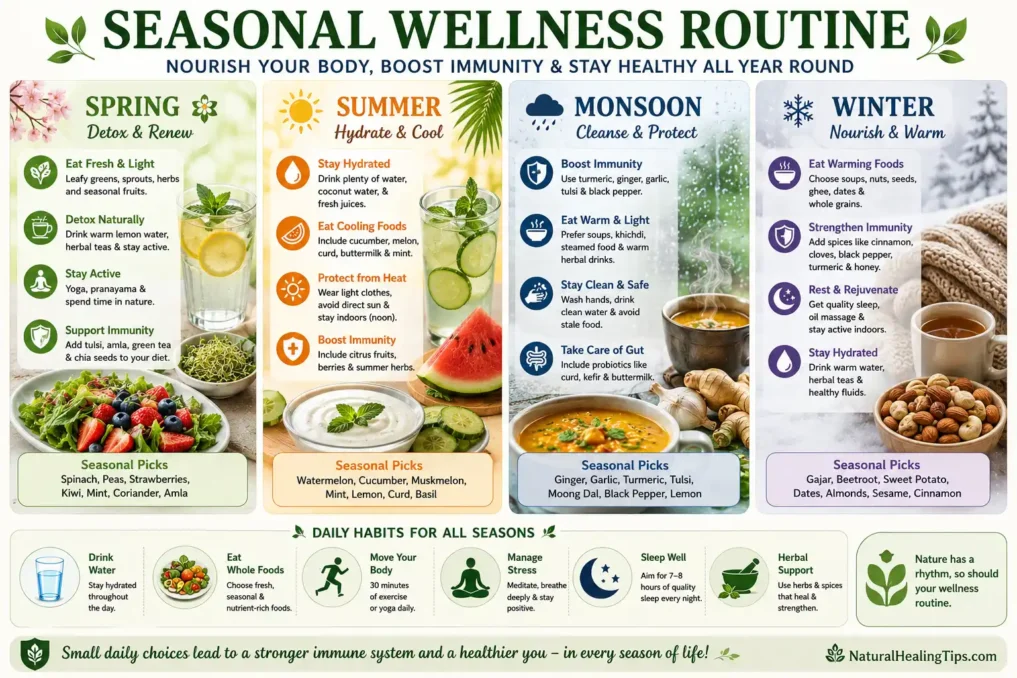
8. Seasonal Changes Challenge the Body
Each season creates unique stressors:
| Season | Common Challenges |
|---|---|
| Winter | lower sunlight, dry air, reduced activity |
| Summer | dehydration, heat stress |
| Monsoon | infections, digestive issues |
| Spring | allergies, fluctuating temperatures |
The body adapts better when routines change with the season instead of remaining rigid year-round.
While This Is Often Manageable Naturally, There Are Situations Where Medical Guidance Is Important
Natural wellness practices can support immune resilience, but they are not replacements for professional medical care.
↗ Learn more about healthy lifestyle practices from the World Health Organization (WHO)
Seek guidance from qualified healthcare professionals if you experience:
- recurrent high fever
- unexplained weight loss
- persistent fatigue lasting months
- breathing difficulty
- severe infections
- recurring fungal infections
- chronic digestive bleeding
- autoimmune symptoms
- prolonged swollen lymph nodes
Trusted organizations like WHO, Mayo Clinic, NIH, and NHS emphasize that persistent immune-related symptoms deserve professional evaluation.
Natural habits work best as long-term supportive practices — not emergency treatments.
The Good News Is — Small Daily Changes Can Create Noticeable Improvements Over Time
Most people do not need perfection.
They need consistency.
Below are practical natural immunity boosting tips for all seasons that tend to work sustainably in real life.
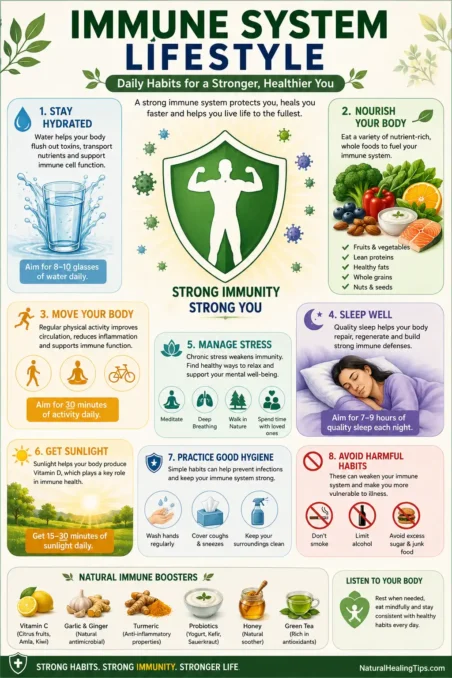
1. Prioritize Sleep Before Supplements
Many people spend heavily on immunity products while sleeping only 5–6 hours.
Sleep deprivation affects immune signaling faster than most realize.
What Helps
- Aim for 7–9 hours of sleep
- Reduce bright screens before bed
- Keep bedroom temperature comfortable
- Avoid heavy meals late at night
- Maintain a regular sleep schedule
Realistic Observation
People who improve sleep often notice:
- better recovery
- improved energy
- fewer seasonal illnesses
- reduced sugar cravings
- improved mood stability
Precaution
Persistent insomnia may require medical evaluation.
Research suggests that sleep deprivation may reduce immune efficiency and increase susceptibility to infections.

2. Build Gut-Friendly Meals Daily
Gut health and immunity are deeply connected.
Instead of obsessing over “superfoods,” focus on regular gut-supportive eating patterns.
Helpful Foods
- yogurt
- kefir
- buttermilk
- kimchi
- sauerkraut
- fiber-rich vegetables
- lentils
- oats
- bananas
Indian households often traditionally include curd, fermented rice preparations, and buttermilk during hotter months for digestive balance.
Why It Works
These foods may support beneficial gut bacteria and improve microbial diversity.
Common Mistake
People often take probiotics while continuing ultra-processed diets high in sugar and additives.
The microbiome responds better to long-term dietary patterns than occasional supplements.
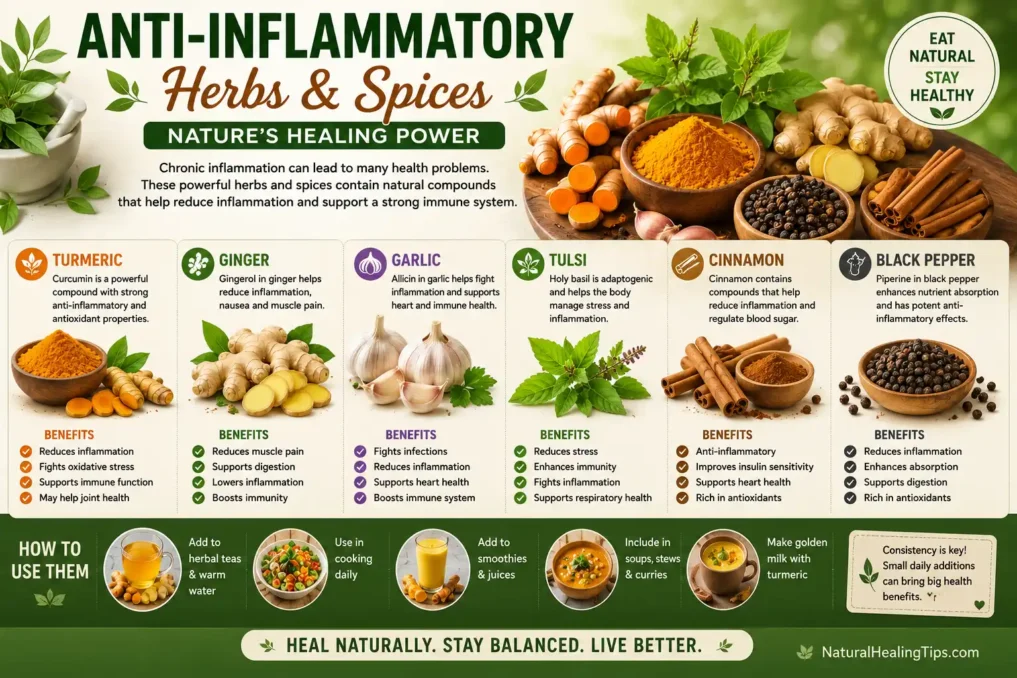
3. Use Anti-Inflammatory Spices Consistently
Certain herbs and spices contain antioxidant and anti-inflammatory compounds that may support immune health.
Particularly Useful Options
- turmeric
- ginger
- garlic
- cinnamon
- tulsi
- black pepper
Practical Ways to Use Them
- turmeric milk at night
- ginger tea during weather changes
- garlic in soups
- tulsi tea during seasonal transitions
Why Consistency Matters
Tiny daily exposure tends to work better than excessive short-term intake.
👉 Herbal teas can be a gentle daily addition for seasonal wellness support: Herbal Tea Recipes
4. Improve Hydration More Than You Think You Need To
Mild dehydration is surprisingly common.
People often confuse dehydration with:
- fatigue
- headaches
- low concentration
- cravings
- irritability
Simple Hydration Improvements
- Start mornings with water
- Include herbal teas
- Eat water-rich fruits
- Use electrolyte-rich drinks during hot weather
- Reduce excessive sugary beverages
Seasonal Tip
During winter, many people drink less water because they feel less thirsty.
That can quietly affect immunity and respiratory comfort.
5. Reduce Hidden Sugar Overload
Excessive sugar intake may increase inflammation and negatively affect immune balance.
The problem is not occasional desserts.
The bigger issue is constant hidden sugar from:
- packaged snacks
- flavored drinks
- processed breakfast foods
- sweetened coffee beverages
What Tends To Work Better
Instead of extreme restriction:
- reduce frequency gradually
- prioritize protein and fiber
- improve sleep
- stabilize meal timing
These changes often reduce cravings naturally.
6. Support Vitamin D Naturally
Vitamin D plays a major role in immune regulation.
Low levels are surprisingly common worldwide.
Natural Support
- safe sunlight exposure
- outdoor walking
- nutrient-dense foods
- medical testing if deficiency is suspected
Important Note
Avoid blindly taking very high doses without medical guidance.
More is not always better.
7. Manage Stress Like It Actually Matters
Many people treat stress management as optional wellness advice.
It is not.
Chronic stress may influence inflammation, digestion, sleep, cravings, and immune resilience simultaneously.
↗ The relationship between chronic stress and immune health is also discussed by Harvard Health
👉 Chronic stress can weaken the body faster than most people realize: Natural Remedies for Stress and Anxiety
Realistic Stress-Reduction Practices
- slow evening walks
- journaling
- prayer or meditation
- breathing exercises
- reducing overstimulation
- spending time outdoors
- limiting doomscrolling
What Usually Fails
Trying overly complicated routines that become impossible to maintain.
Simple habits practiced consistently are usually more sustainable.

8. Move Your Body Without Overtraining
Moderate exercise supports circulation and immune communication.
Helpful Forms of Movement
- brisk walking
- yoga
- cycling
- swimming
- mobility exercises
- light strength training
Seasonal Adjustments
Summer:
- avoid peak heat workouts
Winter:
- warm up longer
Monsoon:
- prioritize indoor movement if needed
Realistic Expectation
Benefits usually come from consistency over months — not extreme transformations in two weeks.
9. Improve Respiratory Health Indoors
Indoor air quality quietly affects immune comfort.
This becomes especially noticeable during:
- winter
- monsoon
- pollution-heavy seasons
Helpful Habits
- improve ventilation
- reduce indoor smoke exposure
- clean dust regularly
- maintain humidity balance
- avoid excessive synthetic fragrances
Respiratory irritation often decreases when indoor air improves.
10. Build Seasonal Immunity Routines Instead of One-Time “Boosts”
Immunity works better with rhythm than intensity.
Winter Focus
- warming foods
- soups
- hydration
- sunlight exposure
Summer Focus
- electrolytes
- lighter meals
- cooling fruits
- avoiding dehydration
Monsoon Focus
- digestive hygiene
- freshly cooked meals
- avoiding contaminated foods
Spring Focus
- allergy management
- antioxidant-rich produce
- outdoor activity
This seasonal approach tends to feel more realistic and sustainable.
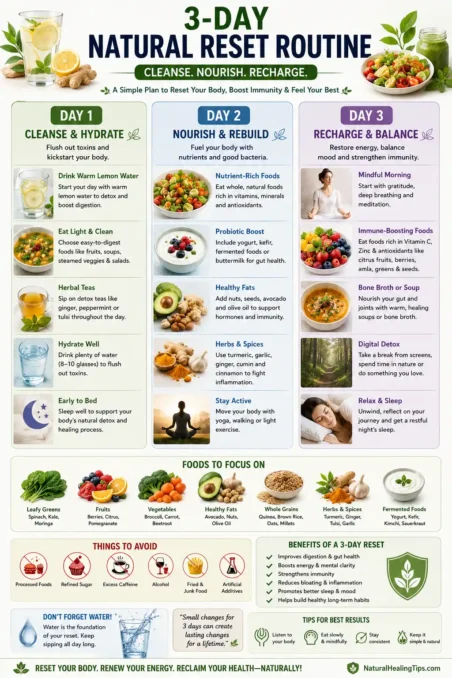
Want to See How Your Body Responds? Try This Gentle 3-Day Routine
This is not a detox.
It is simply a reset toward more supportive habits.
Day 1
Morning
- warm water
- light stretching
- protein-rich breakfast
Afternoon
- fiber-rich lunch
- hydration focus
Evening
- 20-minute walk
- early dinner
- reduced screen exposure
Day 2
Morning
- sunlight exposure
- ginger or tulsi tea
Afternoon
- probiotic food
- reduce packaged snacks
Evening
- breathing exercises
- sleep before midnight
Day 3
Morning
- hydration
- balanced breakfast
Afternoon
- colorful vegetables
- outdoor movement
Evening
- gratitude journaling
- calming bedtime routine
Many people notice subtle improvements like:
- better digestion
- improved sleep
- reduced bloating
- better energy
- less heaviness
Not dramatic miracles — but meaningful shifts.
Common Mistakes People Make That Quietly Weaken Immunity
Overusing Supplements
More supplements do not automatically mean stronger immunity.
Excessive supplementation may create imbalances or digestive discomfort.
Ignoring Sleep While Chasing Productivity
Chronic sleep sacrifice often catches up physically.
Many people normalize exhaustion until repeated illness forces them to slow down.
Extreme Dieting
Very restrictive diets may reduce nutrient intake and increase stress on the body.
Neglecting Gut Health
Digestive symptoms are often dismissed despite their close connection with immunity.
Living in Constant Stress Mode
The body cannot fully recover while remaining in continuous survival mode.
Drinking Too Little Water
This becomes especially common during colder months.
Inconsistent Healthy Habits
People often expect results from occasional healthy actions while maintaining overwhelming unhealthy patterns the rest of the week.
Consistency matters far more.
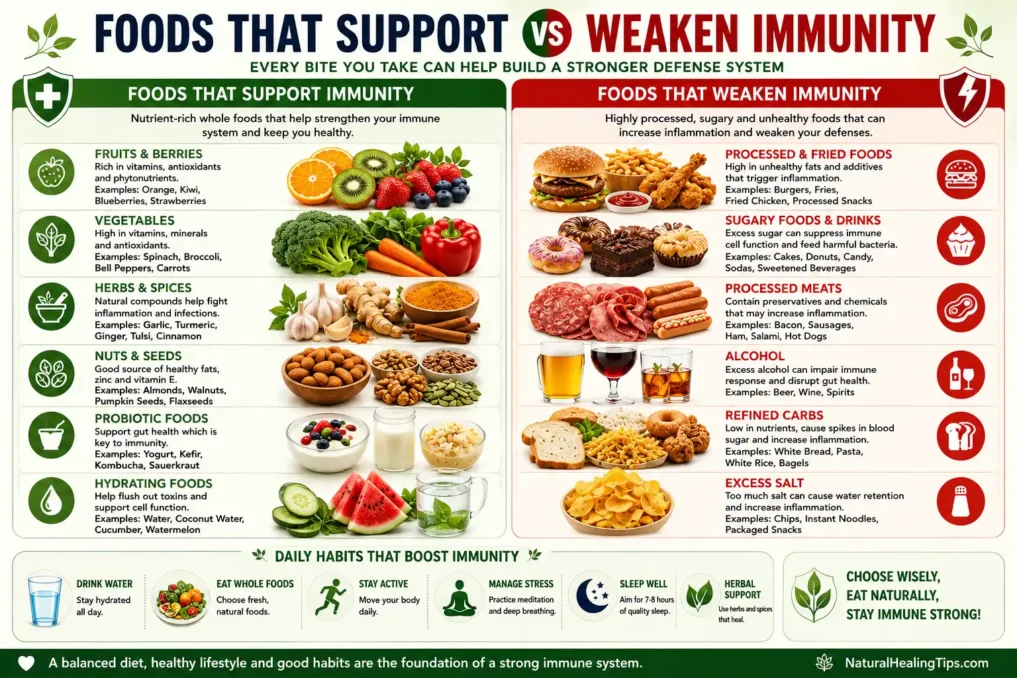
Foods That Support Immunity vs Foods That May Weaken It
Foods That Support Immunity
| Food Type | Examples | Why They Help |
|---|---|---|
| Seasonal fruits | berries, oranges, guava | antioxidants, vitamin C |
| Fermented foods | yogurt, kefir, kimchi | microbiome support |
| Spices | turmeric, ginger, garlic | anti-inflammatory compounds |
| Healthy fats | nuts, seeds, olive oil | cellular support |
| Protein sources | lentils, eggs, fish | immune cell function |
| Leafy greens | spinach, moringa | micronutrients |
Guava, amla, turmeric, ginger, and tulsi are especially common in Indian wellness traditions.
👉 Many anti-inflammatory foods also support long-term immune balance: Anti-Inflammatory Diet for Natural Healing
Foods That May Weaken Immune Resilience
| Food Type | Potential Concern |
|---|---|
| Ultra-processed foods | inflammation |
| Excess sugar | blood sugar instability |
| Trans fats | metabolic stress |
| Excess alcohol | immune suppression |
| Sugary beverages | poor nutrient density |
| Frequent fried foods | inflammatory load |
This does not mean total avoidance forever.
Balance is more sustainable than perfection.
Lesser-Known Daily Habits That Often Help More Than People Expect
These small habits are commonly overlooked:
- eating meals at relatively consistent times
- chewing food properly
- getting morning sunlight
- reducing nighttime overstimulation
- improving indoor airflow
- avoiding constant snacking
- spending time in nature
- maintaining social connection
- reducing emotional burnout
Interestingly, people often notice immune improvement when emotional stress becomes more manageable — even before diet becomes perfect.
That connection is real.
Realistic Expectations: What Improvements Might You Notice?
Natural immunity support is gradual.
Most people notice improvements progressively over weeks or months.
Possible changes include:
- better recovery speed
- fewer seasonal infections
- improved energy
- more stable digestion
- reduced inflammation discomfort
- improved sleep quality
- fewer afternoon crashes
Some people improve faster than others depending on:
- age
- sleep quality
- stress levels
- medical conditions
- nutrient status
- consistency
There is rarely a single “magic” intervention.
Quick Summary: Natural Immunity Boosting Tips for All Seasons
Beginner-Friendly Action Steps
- prioritize quality sleep
- improve hydration daily
- reduce ultra-processed foods
- support gut health consistently
- manage stress realistically
- include anti-inflammatory spices
- exercise moderately
- maintain seasonal wellness habits
- avoid excessive sugar
- get safe sunlight exposure
Most Important Insight
Your immune system responds more strongly to consistent daily patterns than occasional extreme health efforts.
Frequently Asked Questions
What really happens if immunity stays weak for months?
Long-term immune imbalance may increase susceptibility to infections, fatigue, slower recovery, and inflammation-related symptoms. Persistent issues deserve professional medical evaluation.
Can natural habits actually improve immune resilience?
Yes, lifestyle factors like sleep, stress management, nutrition, hydration, and gut health strongly influence immune function over time.
Why do some people notice improvements faster?
Factors like sleep quality, stress levels, nutrient deficiencies, digestion, and consistency affect how quickly the body responds.
Are supplements necessary for strong immunity?
Not always. Many people benefit significantly from improving foundational habits first. Supplements may help specific deficiencies when recommended appropriately.
Does gut health really affect immunity?
Yes. The gut microbiome plays a major role in immune communication, inflammation regulation, and nutrient absorption.
Can stress weaken immunity physically?
Chronic stress may elevate cortisol levels and influence inflammation, sleep quality, digestion, and immune signaling.
Which Indian home remedies are commonly used for seasonal wellness?
Traditional practices often include turmeric milk, ginger tea, tulsi tea, warm soups, and spice-based preparations for comfort and seasonal support.
How long does it take to improve immunity naturally?
Some people notice better energy and recovery within weeks, but meaningful long-term resilience usually develops through consistent habits over months.
This article was medically reviewed and updated in May 2026 to reflect current wellness and immune health guidance.




5 thoughts on “Natural Immunity Boosting Tips for All Seasons”