

Gut-Brain Wellness: How Your Gut Health Shapes Mood, Immunity & Overall Well-Being
Introduction: Why Gut-Brain Wellness Matters Today
In today’s fast-paced world, people talk a lot about mental health, immunity, and digestive issues — but very few realize they all originate in one hidden system: the gut-brain connection. The rise of terms like “gut microbiome,” “gut health,” and “gut-brain wellness” reflects a massive shift in the wellness industry. Scientists, doctors, and holistic healers now agree that your gut is more than a digestive organ — it’s your body’s “second brain.”
This blog post dives deep into how gut health influences mood, stress levels, immunity, digestion, sleep, hormones, and long-term well-being. Whether you’re struggling with bloating, anxiety, low energy, or inflammation, understanding gut-brain wellness could transform your health naturally.
1. Understanding Gut-Brain Wellness
Gut-brain wellness refers to the two-way communication between the gut and the brain through:
- The vagus nerve
- Hormones
- Neurotransmitters
- Immune pathways
- The gut microbiome
Your gut produces over 90% of your serotonin, the hormone responsible for happiness and emotional stability. No wonder an unhealthy gut leads to:
- Anxiety
- Low mood
- Irritability
- Brain fog
- Sleep problems
- Fatigue
The healthier your gut, the healthier your mind — and this is the foundation of gut-brain wellness.
👉 Also Read Natural Immunity Boosting Tips for All Seasons

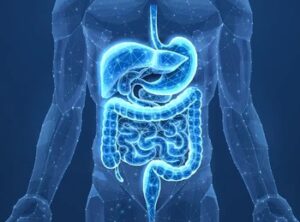
2. Why Gut Health Is the Foundation of Overall Wellness
Your gut doesn’t just digest food — it controls major parts of your health.
Digestion & Nutrient Absorption
A healthy gut breaks down food efficiently and absorbs essential vitamins, minerals, and antioxidants.
Immunity
About 70% of your immune system lives in the gut. Poor gut health means weaker immunity, recurring infections, and chronic inflammation.
Mood & Hormones
Gut bacteria influence neurotransmitters like serotonin and dopamine, which affect happiness and motivation.
Inflammation Control
Chronic inflammation begins in the gut and spreads throughout the body.
Weight & Metabolism
Gut imbalance can slow metabolism, lead to cravings, and influence weight gain.
Gut health truly impacts every area of your life — which is why gut-brain wellness is one of the biggest healing trends of 2025.
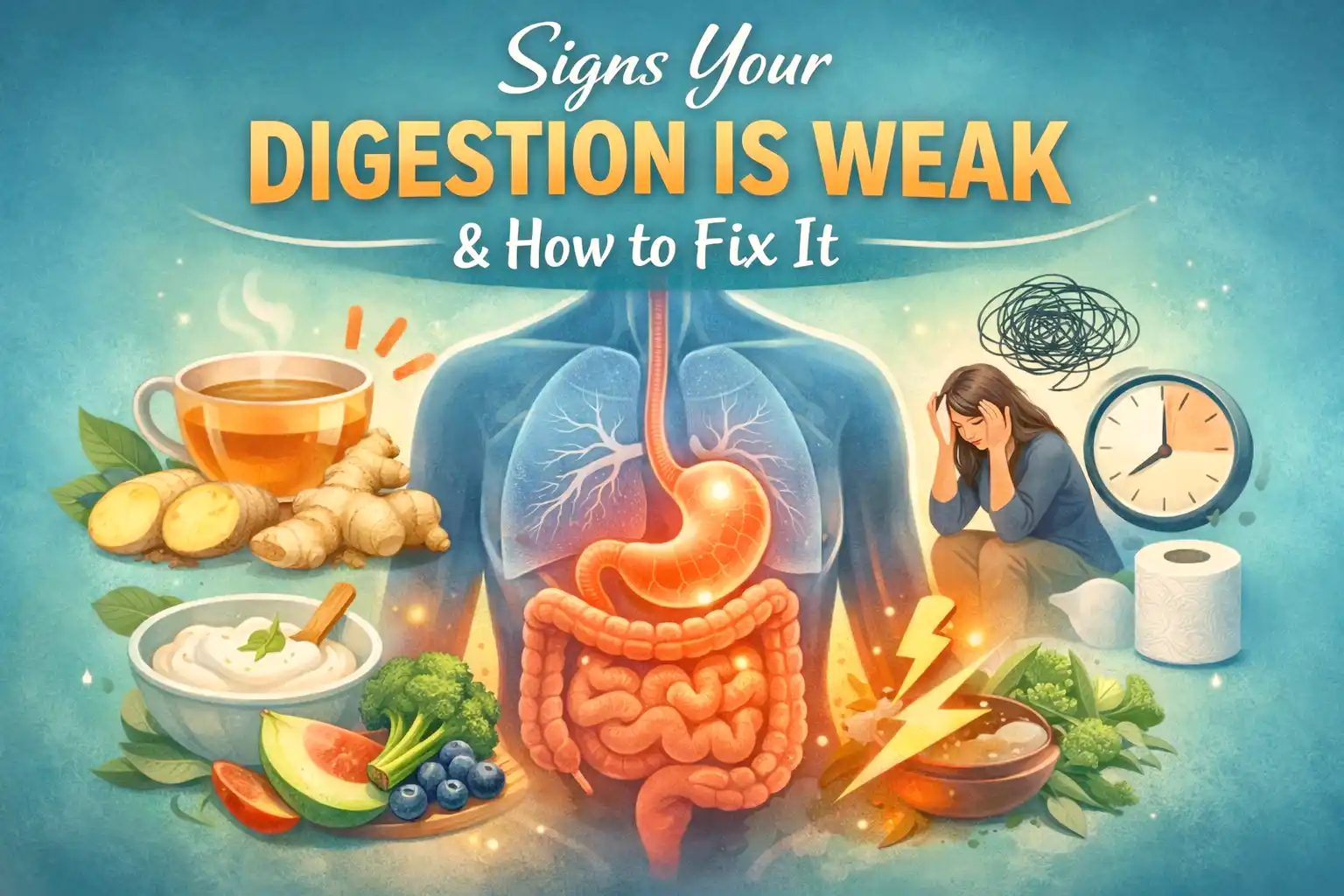
3. Signs Your Gut Health Is Imbalanced
If you often experience any of the following, your gut-brain wellness may need attention:
- Bloating or gas
- Constipation or diarrhea
- Acid reflux
- Unexplained fatigue
- Anxiety or mood swings
- Brain fog
- Sugar cravings
- Skin issues (acne, eczema)
- Poor sleep
- Frequent colds
- Headaches
These symptoms show that your gut microbiome — the trillions of microbes inside your digestive tract — is out of balance.
4. How the Gut Affects Your Mood (The Science of the Gut-Brain Connection)
Your gut communicates with your brain in real time.
Here’s how:
4.1 Serotonin Production
The gut makes most of your serotonin, the hormone that regulates:
- Happiness
- Calmness
- Sleep
- Appetite
- Emotional stability
An unhealthy gut → Lower serotonin → Anxiety and low mood.
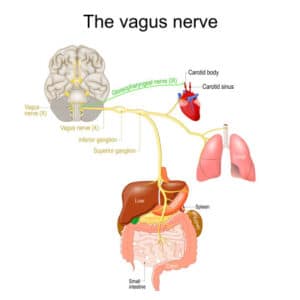
4.2 The Vagus Nerve
This nerve acts like a superhighway linking your digestive system with your brain. Stress tightens this pathway, affecting digestion and mood simultaneously.
4.3 Gut Microbiome
Different bacteria produce different chemicals. Good bacteria support mental clarity; harmful bacteria cause inflammation and stress.
This is why improving gut health naturally lifts your mood — a powerful component of gut-brain wellness.
👉 Also Read: 10 Mind-Body Healing Practices
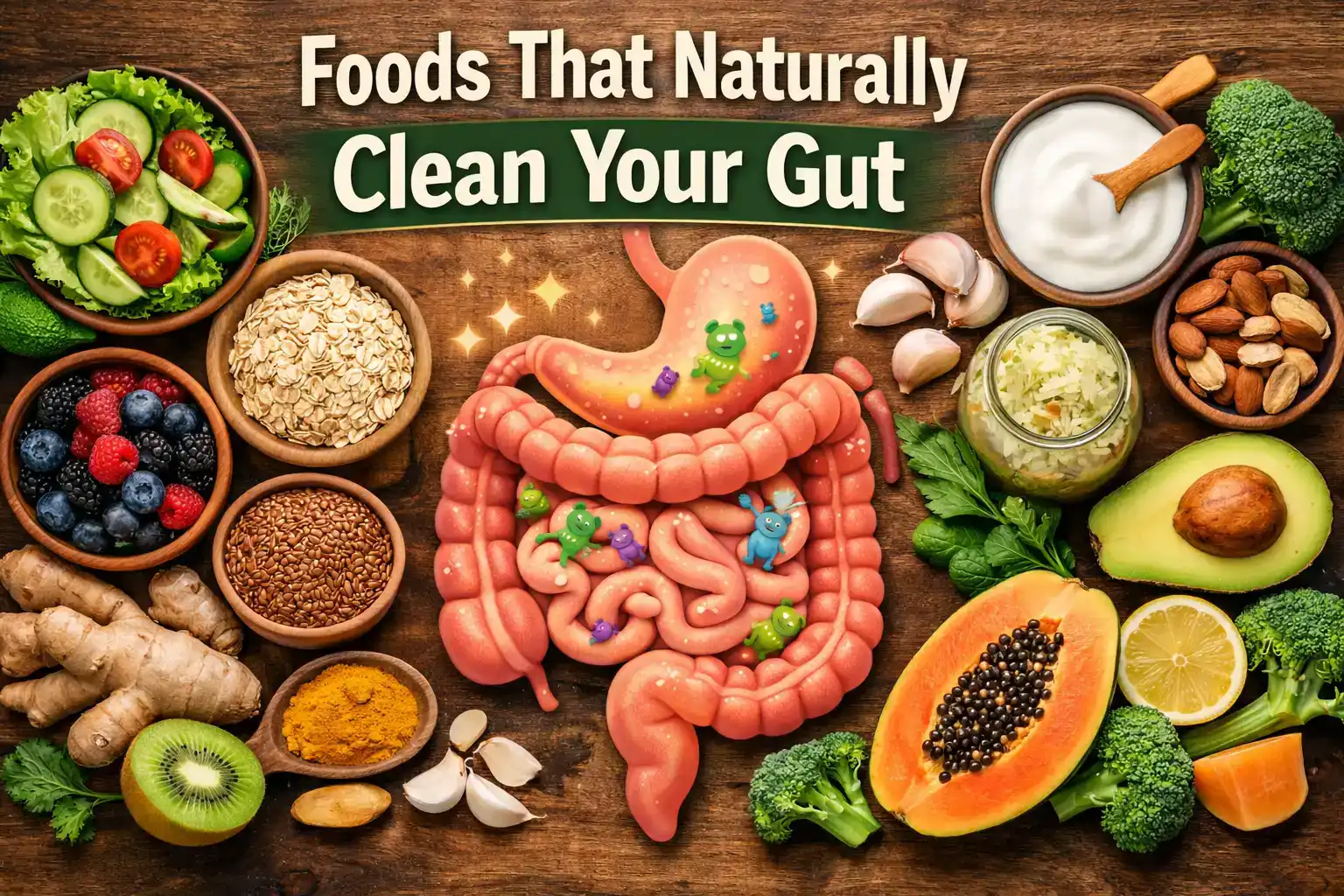
5. Best Foods to Improve Gut-Brain Wellness
5.1 Probiotic Foods (Good Bacteria)
- Yogurt
- Kefir
- Kimchi
- Sauerkraut
- Homemade pickles
- Kombucha
These restore healthy gut bacteria.
5.2 Prebiotic Foods (Food for Good Bacteria)
- Bananas
- Garlic
- Onions
- Oats
- Apples
- Flaxseeds
- Asparagus
Prebiotics help your microbiome thrive.
5.3 Fiber-Rich Foods
- Leafy greens
- Whole grains
- Beans
- Lentils
- Fruits
Fiber acts like a cleansing brush for your digestive tract.
5.4 Anti-Inflammatory Foods
- Turmeric
- Ginger
- Green tea
- Berries
- Nuts and seeds
- Olive oil
Reduces gut inflammation and supports gut-brain wellness.
5.5 Hydration
Water helps digestion, nutrient absorption, detoxification, and stress response.
6. Lifestyle Habits That Improve Gut-Brain Wellness
6.1 Mindful Eating
Slowing down activates the parasympathetic nervous system (“rest and digest”), improving digestion.
6.2 Yoga
Yoga reduces stress hormones, massages digestive organs, and enhances gut-brain harmony.
Best poses:
- Cat-Cow
- Child’s Pose
- Seated Twist
- Cobra Pose
- Wind-Relieving Pose
6.3 Stress Reduction
Chronic stress destroys gut bacteria. Practices like:
- Breathing exercises
- Meditation
- Nature walks
- Journaling
improve gut-brain wellness.
6.4 Sleep
Poor sleep → Poor digestion → Poor mood
Healthy sleep restores the microbiome.
6.5 Limit Sugar & Processed Foods
These feed harmful bacteria and cause inflammation.
👉 Also Read: Turmeric Benefits
7. Natural Remedies for Gut Healing
7.1 Aloe Vera Juice
Soothes digestive lining and reduces reflux.
7.2 Ginger Tea
Improves digestion and reduces nausea.
7.3 Turmeric
Reduces inflammation and supports gut microbiome balance.
7.4 Triphala
A traditional Ayurvedic remedy for digestion and detox.
7.5 Chamomile Tea
Supports relaxation and gut-brain wellness by calming the nervous system.
👉 Also Read: Herbal Tea Recipes
8. A Simple One-Day Gut Reset Routine
Morning
Warm lemon water
Light stretching
Probiotic-rich breakfast (yogurt + fruit)
Afternoon
Hydrating, fiber-rich lunch (salads, lentils)
Green tea
Evening
Light dinner (soup, steamed vegetables)
Chamomile tea
10 minutes of deep breathing
This routine supports both digestive healing and gut-brain wellness.
9. When to Seek Medical Help
Seek professional guidance if you notice:
- Severe gut pain
- Ongoing diarrhea
- Blood in stool
- Sudden weight loss
- Extreme fatigue
👉 Explore more on Gut-Brain Wellness
Conclusion: A New Path to Healing Through Gut-Brain Wellness
“Gut-brain wellness” is more than a trending keyword — it is the foundation of true health. A balanced gut leads to a balanced mind, stronger immunity, better digestion, emotional stability, and long-lasting vitality.
By eating gut-healing foods, reducing stress, practicing yoga, and embracing natural remedies, you can transform your health from the inside out.
If you want images for this post (1200×630 featured image + in-article image), just tell me — I’ll create them instantly.
Frequently Asked Questions
1. What is gut-brain wellness?
Gut-brain wellness refers to the strong connection between gut health and brain function, affecting mood, immunity, digestion, energy, and emotional balance.
2. What foods improve gut-brain wellness?
Probiotics, prebiotics, fiber-rich foods, anti-inflammatory herbs like turmeric and ginger, and fermented foods support healthy gut bacteria and brain health.
3. Can poor gut health cause anxiety?
Yes. An unhealthy gut affects serotonin levels and increases inflammation, directly triggering anxiety and mood issues.
4. How long does it take to improve gut health?
With consistent diet and lifestyle changes, most people notice improvements in 2–4 weeks.
5. Does yoga help gut-brain wellness?
Absolutely. Yoga reduces stress, improves digestion, and calms the nervous system, supporting gut-brain harmony.
⚕️ Medical Disclaimer
The information provided in this article is for educational and informational purposes only and is not intended as a substitute for professional medical advice, diagnosis, or treatment. Always seek the guidance of a qualified healthcare provider with any questions you may have regarding a medical condition, dietary change, or wellness practice. Never disregard or delay seeking professional medical advice because of information found on this website.
Natural remedies and lifestyle suggestions may not be suitable for everyone. Results may vary depending on individual health conditions.




Ginger Tea really improves digestion