
Anti-Inflammatory Diet for Natural Healing: Best Foods, Benefits & Meal Plan
Have you ever wondered why your body feels tired even after enough sleep? Why some days your joints feel stiff, your stomach feels bloated, or your skin suddenly reacts without warning?
What if the real issue is not just stress or aging—but silent inflammation building inside the body day after day?
Many people ignore these early signs because they seem “normal.” But researchers now believe chronic low-grade inflammation may quietly influence everything from digestion and energy to immunity, skin health, weight gain, and even mood.
The encouraging part?
Sometimes simple food choices can begin shifting the body toward healing faster than most people expect.
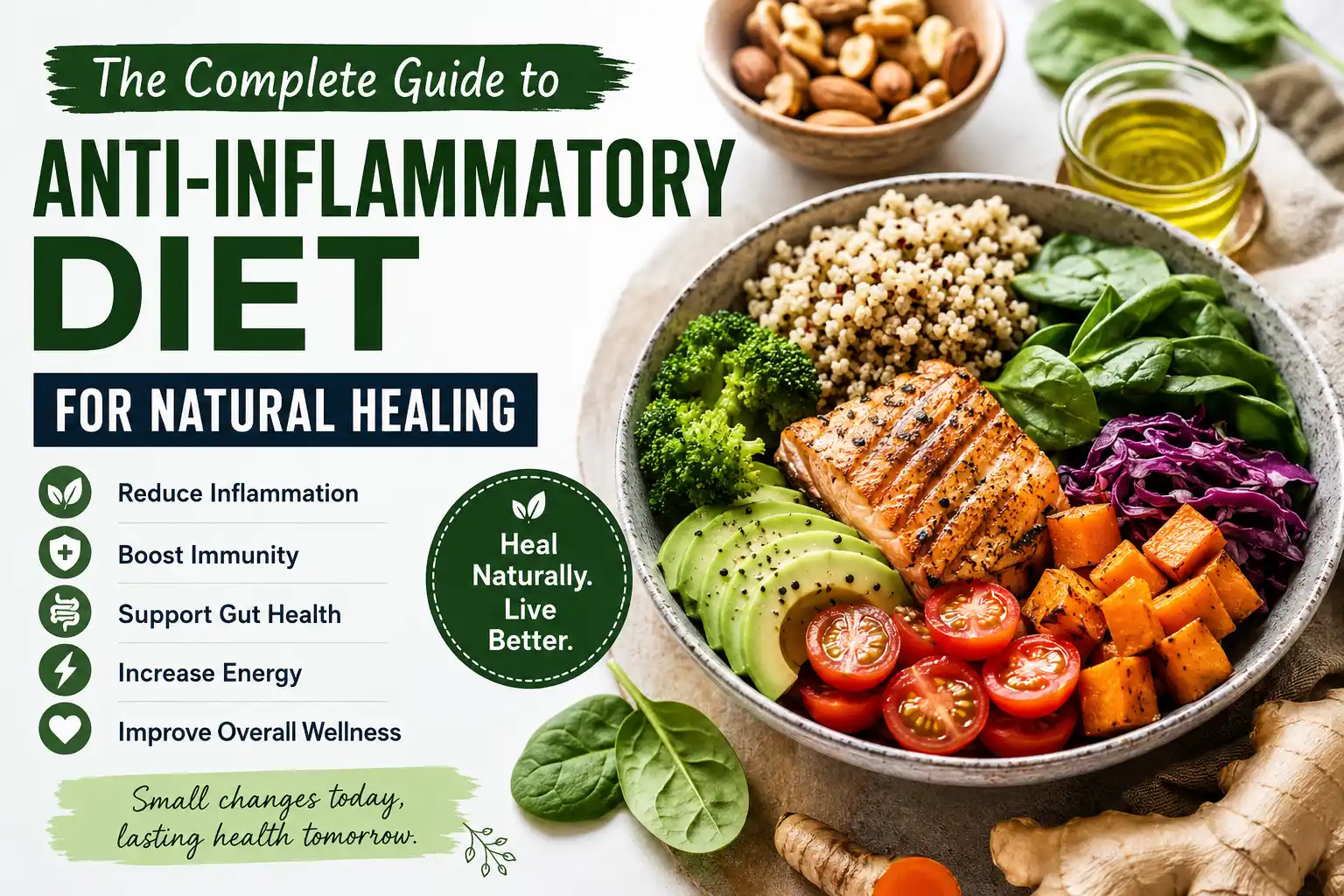
An anti-inflammatory diet for natural healing focuses on whole foods that help reduce chronic inflammation in the body. It typically includes vegetables, fruits, healthy fats, nuts, seeds, spices, and fiber-rich meals while limiting processed foods, excess sugar, and unhealthy fats. Many people use this approach to support digestion, immunity, energy levels, heart health, and overall wellness.
You’re Not Alone in This
This is more common than most people think.
Many readers tell us they feel constantly “off” without understanding why. Some experience heavy digestion after meals. Others notice recurring headaches, brain fog, fatigue, sugar cravings, or body aches that come and go.
In many households, these symptoms are brushed aside as part of modern life.
But the body often gives subtle warning signs long before bigger health problems appear.
An anti-inflammatory diet is not a strict fad diet. It is a long-term eating pattern designed to reduce unnecessary inflammation while supporting the body’s natural repair systems.
And unlike extreme diets, this approach focuses on nourishment—not deprivation.
What Is Inflammation, Really?
Here’s what’s really happening inside your body…
Inflammation is the immune system’s natural defense response. When you get injured or infected, inflammation helps the body heal.
That short-term inflammation is beneficial.
The problem begins when inflammation becomes chronic.
This can happen due to:
- Processed food
- Poor sleep
- Chronic stress
- Excess sugar
- Smoking
- Alcohol
- Pollution
- Sedentary lifestyle
- Gut imbalance
Over time, the immune system may stay slightly activated all the time. Researchers associate chronic inflammation with conditions like obesity, type 2 diabetes, cardiovascular disease, arthritis, digestive issues, and autoimmune disorders.
One interesting thing researchers have found is that food can either fuel inflammation—or calm it.
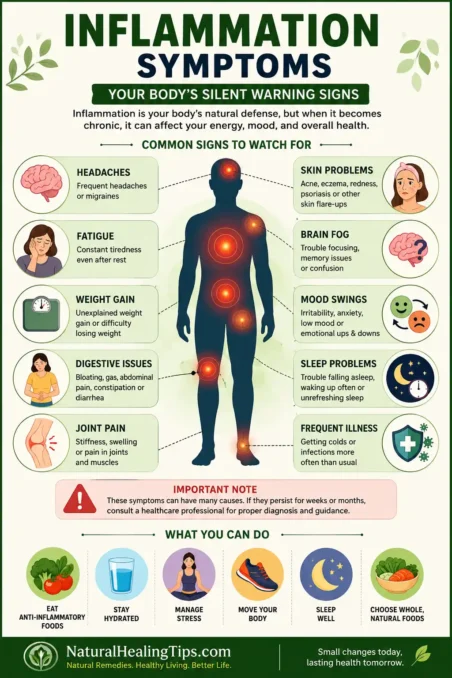
Signs Your Body May Be Dealing With Chronic Inflammation
Many symptoms are subtle at first.
You may notice:
- Frequent bloating
- Low energy
- Puffy face or water retention
- Brain fog
- Joint stiffness
- Skin flare-ups
- Digestive discomfort
- Sugar cravings
- Mood swings
- Poor sleep
- Frequent colds
- Slow recovery after exercise
Sometimes the smallest daily habits quietly shape how we feel.
How Inflammation Can Affect Different Parts of the Body
Sometimes inflammation does not appear in obvious ways.
The symptoms may show up differently depending on which systems of the body are under stress.
Digestive Symptoms
- bloating
- acid reflux
- constipation
- gas
- stomach heaviness
Skin-Related Symptoms
- acne flare-ups
- eczema
- redness
- itchiness
- dull skin
Brain and Mood Symptoms
- brain fog
- low motivation
- poor concentration
- fatigue
- mood swings
Joint and Muscle Symptoms
- stiffness
- joint discomfort
- slow recovery
- muscle soreness
Hidden Everyday Habits That Quietly Increase Inflammation
Many people focus only on food, but daily lifestyle habits can also quietly increase inflammation over time.
1. Constant Late-Night Eating
Eating heavy meals close to bedtime may disrupt digestion, blood sugar regulation, and sleep quality.
You may have noticed that waking up feels harder after a late dinner.
Researchers studying circadian rhythm health suggest the body processes food differently at night. Poor meal timing may contribute to metabolic stress and inflammation over time.
Better Habit:
Try finishing dinner 2–3 hours before sleep.
2. Sitting for Too Long
Even people who exercise can experience inflammation from prolonged sitting.
One workout cannot fully offset 10–12 hours of inactivity.
Signs:
- tight hips
- low energy
- stiffness
- sluggish circulation
Quick Fix:
Walk for 5 minutes every hour.
Small movement breaks matter more than many people realize.
3. Ultra-Processed “Health Foods”
This surprises many readers.
Some foods marketed as “healthy” may still contain:
- refined oils
- preservatives
- excess sodium
- added sugars
- artificial flavoring
Examples include:
- flavored yogurt
- protein bars
- packaged granola
- diet snacks
Always read ingredient labels carefully.
4. Chronic Dehydration
Even mild dehydration may increase fatigue, headaches, and poor digestion.
Water supports:
- circulation
- detoxification
- nutrient transport
- temperature regulation
Many people mistake dehydration for hunger.
5. Poor Air Quality and Pollution
Researchers are increasingly studying how pollution affects inflammation.
Airborne pollutants may increase oxidative stress inside the body.
This is especially relevant in urban environments with:
- vehicle pollution
- smoking exposure
- industrial emissions
Indoor plants, ventilation, hydration, and antioxidant-rich foods may help support resilience.
The Science Behind an Anti-Inflammatory Diet
1. Blood Sugar Spikes Can Trigger Inflammation
Here’s something many people miss…
Frequent spikes in blood sugar may increase inflammatory markers in the body.
Highly processed foods, sugary beverages, white bread, and excessive desserts can create rapid glucose fluctuations. Over time, this may stress blood vessels and increase oxidative stress.
Experts often recommend fiber-rich foods because they slow digestion and stabilize blood sugar levels.
Foods like oats, lentils, vegetables, chia seeds, and beans help support steadier energy.
2. Gut Health Directly Influences Inflammation
Your gut is connected to much more than digestion.
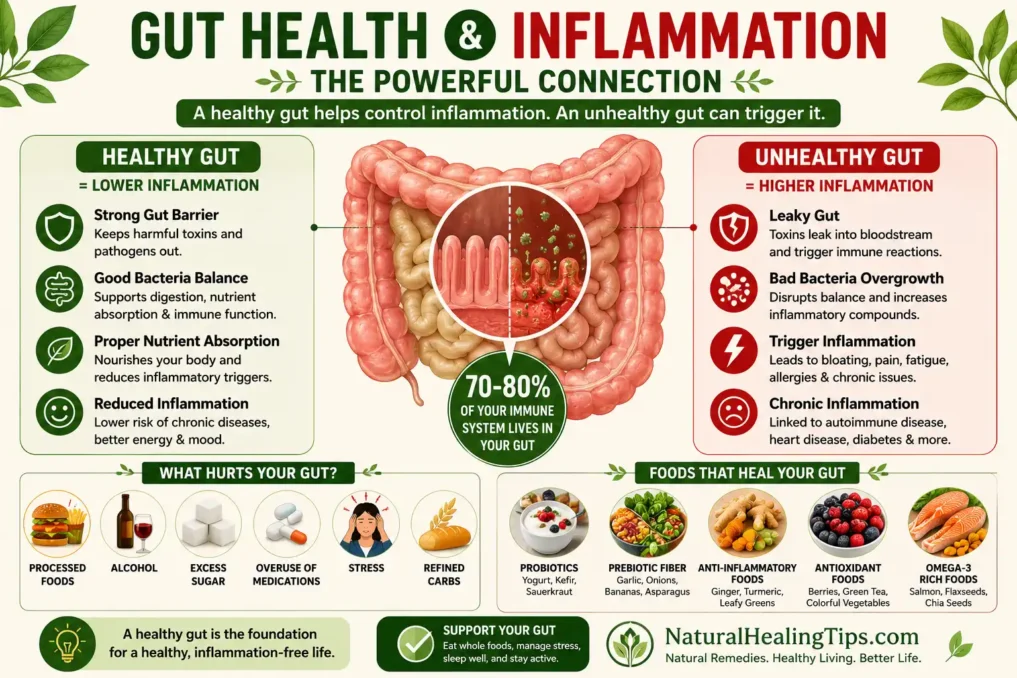
Researchers now describe the gut microbiome as a major regulator of immunity and inflammation.
When harmful bacteria outnumber beneficial bacteria, the intestinal barrier may weaken. This can allow inflammatory compounds to circulate more easily.
Fermented foods like yogurt, kefir, kimchi, and traditional Indian buttermilk may help support gut diversity.
Fiber also acts as food for healthy gut bacteria.
👉 Many inflammation-related digestive issues begin with poor gut balance: Gut Health Foods for Better Digestion
3. Omega-3 Fats Help Calm Inflammatory Pathways
Not all fats are harmful.
Omega-3 fatty acids are known for their anti-inflammatory properties. They may help balance inflammatory compounds in the body.
Good sources include:
- Fatty fish
- Walnuts
- Flaxseeds
- Chia seeds
Many people consume too many omega-6 processed oils and too few omega-3 foods.
That imbalance may contribute to inflammation.
↗ Researchers at Harvard T.H. Chan School of Public Health explain how dietary patterns influence inflammation and long-term health:
4. Antioxidants Protect Cells From Oxidative Stress
Colorful foods often contain protective plant compounds.
Berries, spinach, turmeric, tomatoes, carrots, green tea, and dark leafy vegetables contain antioxidants that help neutralize unstable molecules called free radicals.
Oxidative stress and inflammation are closely connected.
This is one reason nutrition experts encourage eating a rainbow of plant foods.
5. Chronic Stress Can Keep the Body Inflamed
This surprises some individuals.
Mental stress can influence physical inflammation.
When stress hormones remain elevated for long periods, the body may stay in a low-grade inflammatory state.
This explains why sleep, breathing exercises, movement, and emotional health matter alongside diet.
👉 In many traditional wellness systems, calming the nervous system is considered part of healing itself.
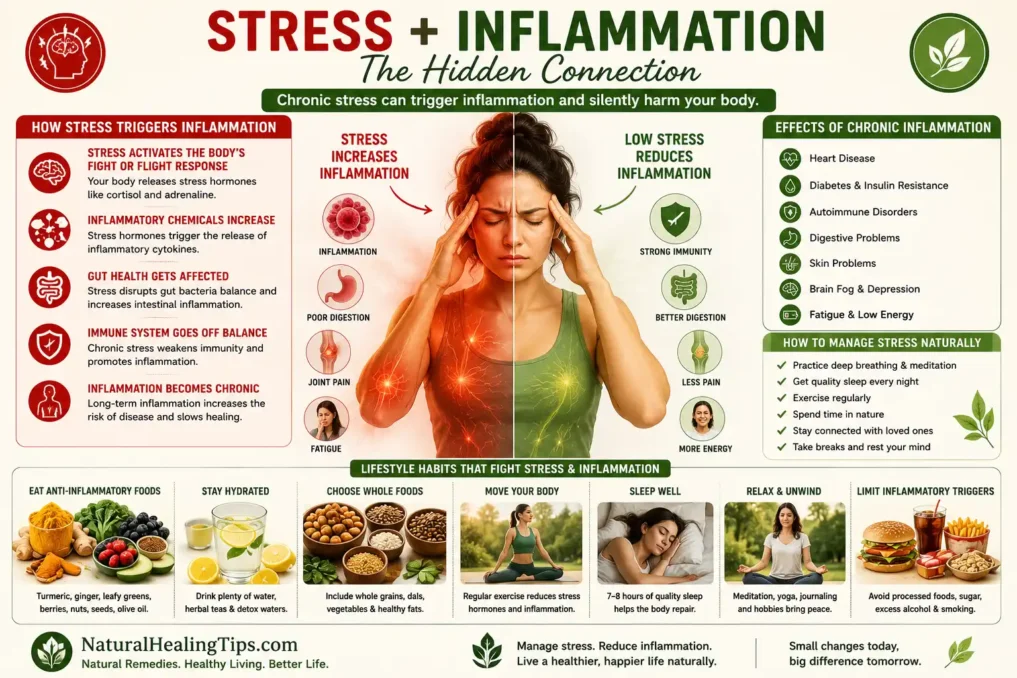
👉 Managing stress naturally may help calm inflammatory responses over time: Natural Remedies for Stress and Anxiety
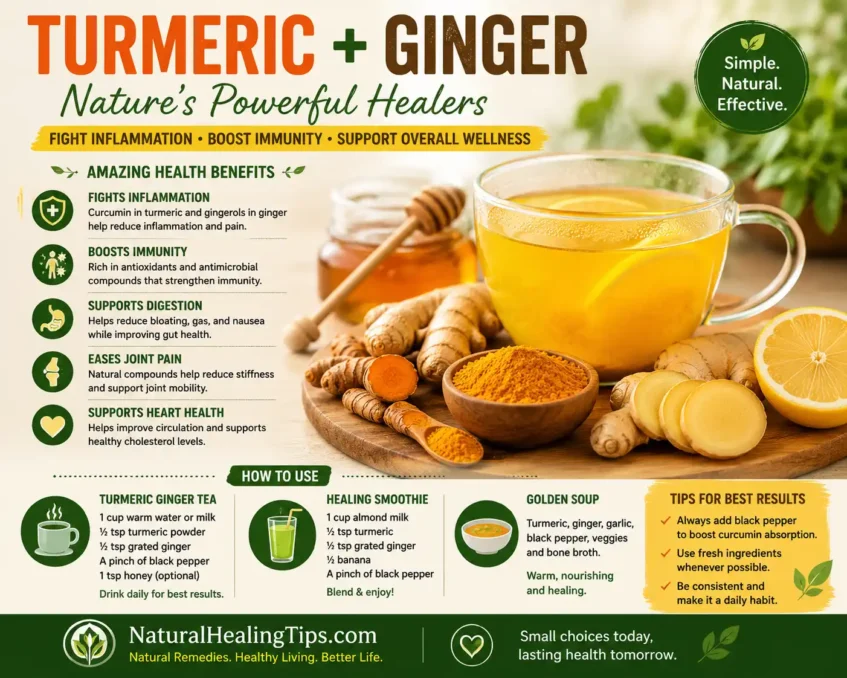
6. Certain Spices May Support Natural Healing
In traditional Indian kitchens, spices were often used for more than flavor.
Turmeric contains curcumin, a compound widely studied for anti-inflammatory effects.
Ginger contains gingerols, which may support digestion and reduce inflammatory activity.
Garlic contains sulfur compounds associated with immune support.
Black pepper may help improve curcumin absorption.
👉 Curcumin in turmeric has been widely studied for its healing potential: Turmeric Benefits
7. Poor Sleep Can Increase Inflammatory Markers
Missing sleep affects more than energy levels.
Studies suggest chronic sleep deprivation may increase inflammatory cytokines.
People who consistently sleep poorly may notice:
- Increased cravings
- Fatigue
- Mood changes
- Slower recovery
- Reduced immunity
Improving sleep quality is often one of the fastest ways to support healing.
Best Healing Foods That Fight Inflammation Naturally
The good news is—small changes can make a noticeable difference.
You do not need a perfect diet overnight.
Even replacing a few inflammatory foods daily may help support better digestion, energy, and recovery.
1. Fatty Fish
Examples:
- Salmon
- Sardines
- Mackerel
These provide omega-3 fatty acids that support heart and brain health.
How to use:
2–3 servings weekly.
Best timing:
Lunch or dinner.
Expected benefits:
Better satiety, joint support, improved inflammation balance over time.
2. Turmeric
Turmeric remains one of the most researched natural anti-inflammatory spices.
Preparation:
Add to curries, soups, warm milk, or herbal tea.
Dosage:
½–1 teaspoon daily in food.
Tip:
Combine with black pepper for better absorption.
Expected results:
Some people notice digestive comfort and reduced stiffness within weeks.
3. Leafy Greens
Examples:
- Spinach
- Kale
- Moringa leaves
- Fenugreek leaves
These contain antioxidants, magnesium, and fiber.
Usage:
Add to smoothies, dal, stir-fries, soups, or salads.
4. Berries
Blueberries, strawberries, and blackberries contain anthocyanins that may support cellular protection.
Best time:
Morning or evening snack.
Quick idea:
Mix with yogurt and chia seeds.
5. Extra Virgin Olive Oil
One interesting thing researchers have found is that high-quality olive oil contains compounds similar to mild anti-inflammatory agents.
Usage:
Use for salad dressing or low-heat cooking.
6. Nuts and Seeds
Especially:
- Walnuts
- Almonds
- Flaxseeds
- Pumpkin seeds
- Chia seeds
These provide healthy fats, minerals, and fiber.
Dosage:
A small handful daily.
7. Green Tea
Green tea contains catechins, which may help reduce oxidative stress.
Usage:
1–2 cups daily.
Avoid:
Excess sugar.
8. Lentils and Beans
Affordable, protein-rich, and fiber-rich.
These help support blood sugar balance and gut health.
In Indian households, dal-based meals naturally fit well into anti-inflammatory eating patterns.
9. Garlic and Ginger
These kitchen staples may support immunity and digestion.
Quick home remedy:
Warm ginger tea after heavy meals.
Expected effect:
Reduced bloating and digestive discomfort for some people.
Ultimate Anti-Inflammatory Grocery List
One of the biggest reasons people fail to follow healthy eating plans is simple:
They do not know what to buy consistently.
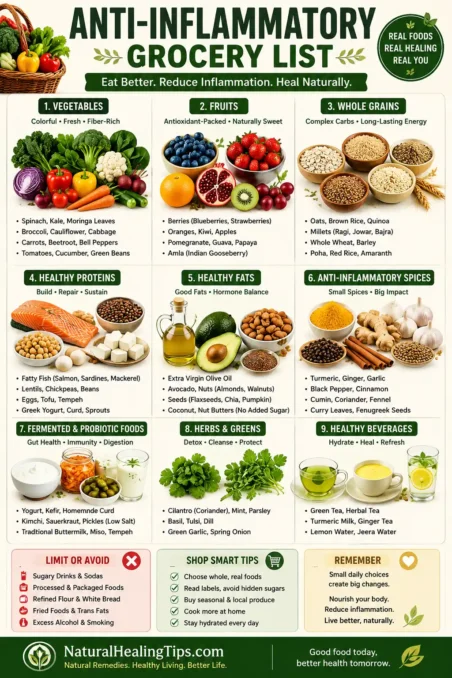
Here’s a practical grocery framework that makes anti-inflammatory eating easier in real life.
Vegetables
Prioritize:
- spinach
- broccoli
- carrots
- beetroot
- cabbage
- cauliflower
- tomatoes
- cucumber
- bell peppers
- moringa leaves
Why They Help
These foods provide:
- antioxidants
- fiber
- polyphenols
- vitamins
- anti-inflammatory plant compounds
Aim for at least 4–5 colorful servings daily.
Fruits
Best options:
- berries
- pomegranate
- oranges
- kiwi
- apple
- papaya
- guava
- amla
Pro Tip
Eat whole fruits instead of fruit juice to retain fiber.
Healthy Proteins
Choose:
- lentils
- chickpeas
- fish
- eggs
- tofu
- sprouts
- Greek yogurt
Protein helps maintain muscle, hormones, metabolism, and satiety.
Healthy Fats
Stock:
- olive oil
- coconut
- avocado
- walnuts
- flaxseeds
- chia seeds
These help support hormone balance and reduce inflammatory stress.
Anti-Inflammatory Spices
Keep these in your kitchen:
- turmeric
- ginger
- cumin
- cinnamon
- garlic
- coriander
- fennel
In traditional Indian cooking, these spices were often used daily for digestion and immunity support.
Why Colorful Foods Matter for Inflammation
Different food colors often contain different protective plant compounds.
Eating a variety of natural colors may help support broader antioxidant intake.
Red Foods
Tomatoes, watermelon, strawberries, and red bell peppers contain antioxidants like lycopene.
Orange and Yellow Foods
Carrots, turmeric, pumpkin, and mangoes contain carotenoids that support immune health.
Green Foods
Spinach, moringa, broccoli, and herbs provide chlorophyll, magnesium, and folate.
Purple and Blue Foods
Blueberries, black grapes, and purple cabbage contain anthocyanins linked to cellular protection.
Best Anti-Inflammatory Drinks
Some drinks may support hydration, digestion, antioxidant activity, and gut health.
1. Turmeric Golden Milk
Preparation
- 1 cup warm milk
- ½ tsp turmeric
- pinch black pepper
Best Time
Before bedtime.
2. Ginger Tea
Helpful after heavy meals.
May support digestion and reduce bloating.
3. Green Tea
Contains catechins and antioxidants.
Best consumed without excess sugar.
4. Jeera Water
Popular in Indian households.
Preparation
Soak cumin seeds overnight and boil lightly.
Some people use it to support digestion.
5. Lemon Water
Simple hydration support with vitamin C.
Especially useful in the morning.
👉 Many people also include cleansing beverages in their wellness routine: Natural Detox Drinks for Daily Health
Inflammatory Foods List: Foods That May Increase Inflammation
This part matters more than many people realize.
Adding healthy foods while continuing inflammatory habits may slow progress.
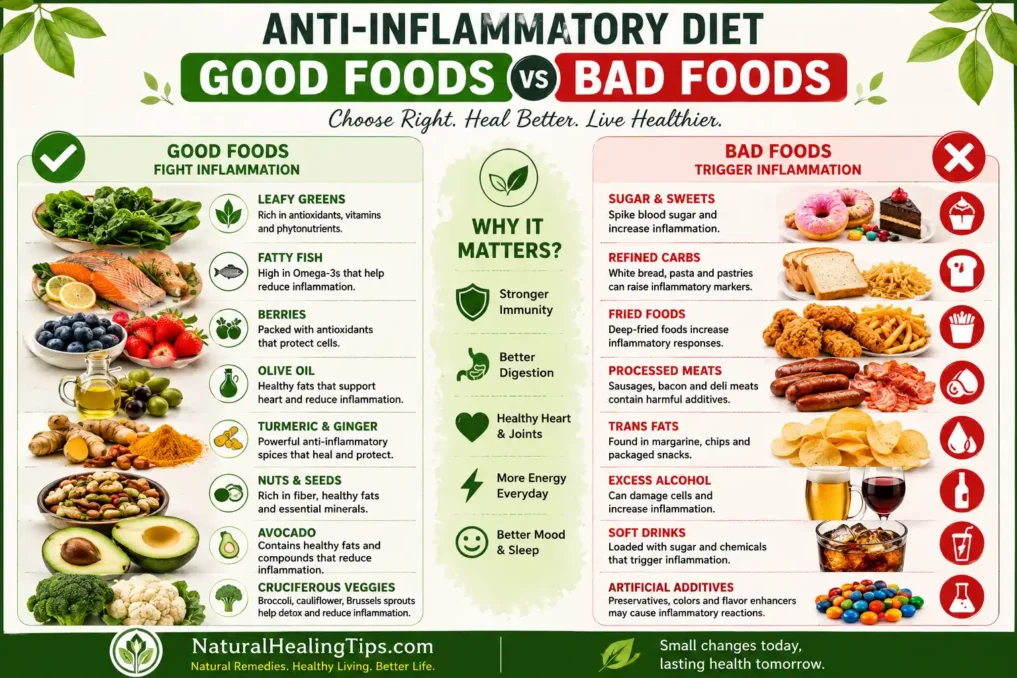
Limit These Foods:
- Sugary drinks
- Ultra-processed snacks
- Excess refined flour
- Deep-fried foods
- Processed meats
- Excess alcohol
- Trans fats
- Excess fast food
- Highly processed desserts
Most people underestimate how often these foods quietly appear in daily routines.
↗ The World Health Organization (WHO) recommends reducing excessive sugar, processed foods, and unhealthy fats for better long-term health: World Health Organization Healthy Diet Guidelines
Anti-Inflammatory Foods vs Inflammatory Foods
| Choose More Often | Limit More Often |
|---|---|
| Leafy greens | Processed snacks |
| Fresh fruits | Sugary drinks |
| Olive oil | Trans fats |
| Nuts and seeds | Deep-fried foods |
| Herbal teas | Excess alcohol |
| Whole grains | Refined flour products |
Best Cooking Methods for an Anti-Inflammatory Diet
How food is cooked can influence inflammation levels more than many people realize.
Some cooking methods preserve nutrients better while reducing harmful compounds.
Better Cooking Methods
- steaming
- light sautéing
- slow cooking
- baking
- pressure cooking
Cooking Methods to Limit
- deep frying
- burnt grilling
- reused cooking oils
- heavily processed fast-food preparation
Repeatedly heated oils may increase oxidative stress inside the body.
Common Anti-Inflammatory Diet Mistakes
Many people start strong but unknowingly make mistakes that reduce results.
1. Depending Only on Supplements
Supplements cannot replace consistent nutrition.
Whole foods contain:
- fiber
- enzymes
- phytonutrients
- minerals
that work together naturally.
2. Cutting Too Many Foods Too Quickly
Extreme diets may increase stress and nutritional deficiencies.
The body usually responds better to gradual sustainable changes.
3. Ignoring Sleep Completely
Some people focus only on food while sleeping 4–5 hours daily.
But poor sleep itself may increase inflammatory markers.
Sleep is part of healing—not separate from it.
4. Eating “Healthy” But Overeating Constantly
Even nutritious foods eaten excessively may stress digestion and metabolism.
Balance still matters.
5. Expecting Immediate Transformation
This is one of the biggest hidden frustrations.
Inflammation develops slowly.
Healing also takes time.
Consistency matters more than perfection.
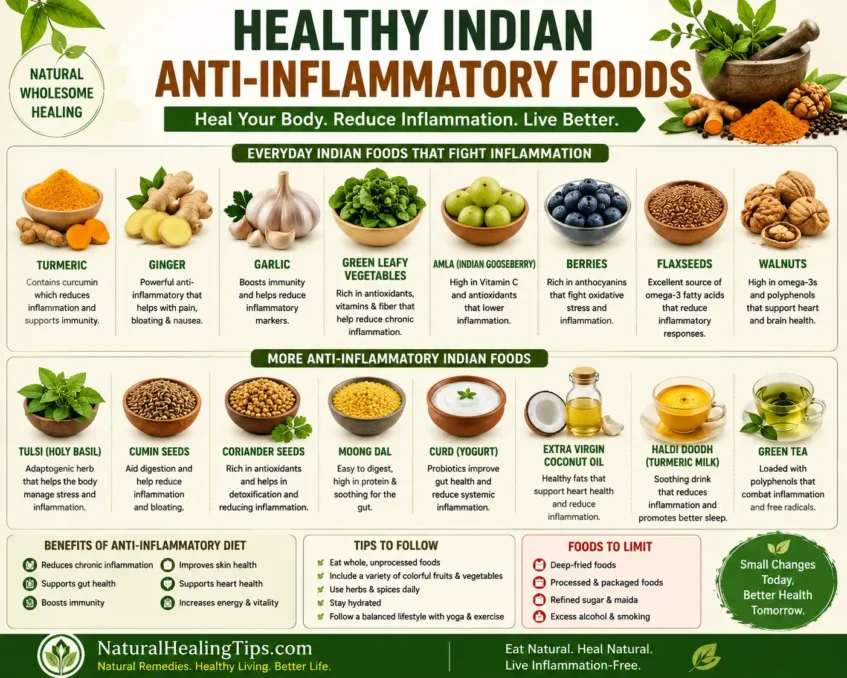
Anti-Inflammatory Indian Foods Worth Including
A global anti-inflammatory diet can easily include Indian foods.
Some excellent choices include:
- Khichdi with vegetables
- Moong dal
- Homemade curd
- Turmeric milk
- Coconut chutney
- Vegetable sambar
- Amla
- Curry leaves
- Jeera water
- Millet-based meals
Traditional Indian cooking often uses natural spices that support digestion and metabolism.
Simple Daily Meal Structure
Morning
- Warm water with lemon
- Soaked almonds or walnuts
- Vegetable omelet or oatmeal
Mid-Morning
- Fruit
- Green tea
Lunch
- Brown rice or millet
- Dal
- Mixed vegetables
- Salad
- Curd
Evening
- Herbal tea
- Roasted chana or nuts
Dinner
- Soup
- Grilled fish or lentils
- Steamed vegetables
7-Day Anti-Inflammatory Meal Plan
Day 1
Breakfast
Oats with chia seeds and berries
Lunch
Brown rice, dal, mixed vegetables
Dinner
Vegetable soup with grilled fish
Day 2
Breakfast
Vegetable upma with nuts
Lunch
Millet khichdi with curd
Dinner
Paneer stir-fry with salad
Day 3
Breakfast
Greek yogurt with flaxseeds
Lunch
Quinoa bowl with chickpeas
Dinner
Tomato soup with sautéed vegetables
Days 4–7
Continue focusing on:
- fiber-rich meals
- vegetables
- lentils and beans
- healthy fats
- anti-inflammatory spices
How to Follow an Anti-Inflammatory Diet While Eating Out
Many people feel confident eating healthy at home but struggle during travel, office schedules, or restaurant meals.
The goal is not perfection.
It is making better choices more consistently.
Better Restaurant Choices
- grilled foods instead of deep-fried foods
- soups instead of creamy sauces
- fresh salads with olive oil dressing
- rice and dal combinations
- vegetable-based meals
Try to Limit
- sugary beverages
- extra processed sauces
- heavy desserts
- fried fast foods
3-Day Natural Experiment
Want to see how your body responds? Try this 3-day routine…
Day 1
Focus on removing:
- Sugary beverages
- Packaged snacks
- Deep-fried foods
Increase water intake.
Day 2
Add:
- One probiotic food
- One leafy vegetable meal
- One anti-inflammatory spice drink
Try gentle walking after meals.
Day 3
Prioritize:
- Early dinner
- Better sleep
- Fiber-rich meals
- Stress reduction
Many people notice lighter digestion, reduced bloating, or steadier energy surprisingly quickly.
Instant Relief vs Long-Term Healing
This distinction is important.
Some habits may provide short-term relief:
- Hydration
- Ginger tea
- Better sleep
- Reduced processed food
But long-term healing usually requires consistency.
Anti-inflammatory eating works best when combined with:
- Regular movement
- Stress management
- Quality sleep
- Healthy weight management
- Reduced smoking/alcohol
Can Inflammation Make Weight Loss Harder?
This is an area many people struggle with silently.
Some individuals feel they are “doing everything right” but still experience:
- stubborn belly fat
- cravings
- fatigue
- water retention
Researchers believe chronic inflammation may influence:
- insulin resistance
- appetite hormones
- stress hormones
- metabolism
This does not mean weight gain is purely caused by inflammation.
But inflammation may make healthy weight management more difficult.
This is one reason anti-inflammatory eating patterns often improve overall wellness—not just body weig
When Should You Be Concerned?
While this is usually manageable with lifestyle improvements, there are times when you should pay attention.
Seek medical guidance if you experience:
- Persistent severe fatigue
- Sudden unexplained weight loss
- Ongoing digestive bleeding
- Severe joint swelling
- High fever
- Chest pain
- Persistent inflammation symptoms lasting months
Organizations like the World Health Organization, National Health Service and Mayo Clinic emphasize the importance of professional evaluation for chronic or unexplained symptoms.
Possible Side Effects or Precautions
Even healthy diets need balance.
Things to Consider:
- Sudden high fiber intake may cause bloating initially
- Excess turmeric supplements may interact with medications
- Some people may have food sensitivities
- Extreme restriction can lead to nutritional imbalance
Pregnant individuals, people with chronic illness, or those on medications should consult a qualified healthcare professional before major dietary changes.
Daily Lifestyle Habits That Support Natural Healing
Food matters enormously.
But healing becomes much harder when lifestyle habits constantly trigger stress inside the body.
Prioritize Sunlight Exposure
Morning sunlight may help regulate:
- circadian rhythm
- sleep hormones
- mood
- metabolism
Even 10–15 minutes can help.
Practice Slow Eating
Eating too fast may affect digestion and overeating.
Try:
- chewing thoroughly
- avoiding screens while eating
- pausing between bites
Manage Stress Daily
Chronic stress and inflammation are deeply connected.
Helpful practices:
- meditation
- walking
- journaling
- yoga
- deep breathing
Build Muscle Through Resistance Exercise
Muscle health supports:
- insulin sensitivity
- metabolism
- healthy aging
Even bodyweight exercises can help.
Improve Sleep Hygiene
Try:
- reducing screen exposure before bed
- sleeping consistently
- keeping the room dark and cool
Sleep is one of the body’s most important repair systems.

Can Chronic Inflammation Accelerate Aging?
Researchers sometimes describe chronic inflammation as a contributor to “inflammaging.”
This refers to low-grade inflammation that may gradually influence:
- skin aging
- joint health
- energy levels
- metabolism
- cognitive function
While aging is natural, lifestyle habits may influence how strongly inflammation affects the body over time.
This is one reason anti-inflammatory habits are often associated with healthy aging and long-term wellness.
What Results Can You Expect?
Results vary depending on lifestyle, stress, sleep, and existing health conditions.
However, many people report improvements such as:
- better digestion
- more stable energy
- reduced bloating
- better sleep quality
Some notice changes within days.
Others require several weeks of consistency.
Healing is usually gradual—not instant.
↗ Experts at Mayo Clinic emphasize that consistent healthy eating patterns may help support energy, heart health, and overall wellness: Mayo Clinic Healthy Lifestyle Guide
Quick Summary
- Focus on whole foods
- Increase vegetables and fiber
- Include omega-3 fats
- Reduce sugar and processed foods
- Support gut health
- Prioritize sleep and stress management
- Use anti-inflammatory spices like turmeric and ginger
- Stay hydrated
- Choose balanced meals over restrictive diets
Frequently Asked Questions
What really happens if inflammation stays high for too long?
Chronic inflammation may gradually affect metabolism, digestion, immunity, joints, and cardiovascular health. Researchers link long-term inflammation with several chronic diseases.
Can this actually improve energy levels?
Yes, many people notice steadier energy when blood sugar fluctuations and processed foods are reduced.
Why do some people notice changes quickly?
Reducing excess sugar, improving hydration, and eating more fiber can quickly influence digestion and energy balance.
Is turmeric enough to reduce inflammation naturally?
Turmeric may help, but lasting results usually come from an overall lifestyle approach including nutrition, sleep, movement, and stress management.
What foods should be avoided first?
Sugary beverages, ultra-processed snacks, fried foods, and excessive refined carbohydrates are often good starting points.
Can an anti-inflammatory diet help gut health?
Yes. Fiber-rich foods and fermented foods may support beneficial gut bacteria, which play a major role in inflammation regulation.
Is this diet suitable for Indian families?
Absolutely. Many traditional Indian foods naturally align with anti-inflammatory eating patterns when prepared with less processed oil and sugar.
How long does it take to notice benefits?
Some people feel lighter digestion within days, while deeper changes may take weeks or months of consistency.
What breakfast is best for an anti-inflammatory diet?
High-fiber breakfasts with protein and healthy fats work well. Examples include oats with seeds, vegetable omelets, smoothies, or millet-based meals.
Which cooking oils are better for inflammation?
Extra virgin olive oil, avocado oil, and traditional cold-pressed oils are often preferred over heavily processed trans-fat-rich oils.
Does sugar increase inflammation immediately?
Excess sugar may temporarily increase blood sugar spikes and inflammatory stress, especially when consumed frequently.
Gentle Health Disclaimer
This article is for educational purposes only and should not replace professional medical advice, diagnosis, or treatment. Always consult a qualified healthcare provider before making significant dietary or medical changes.
Why Sustainable Healing Often Starts With Simplicity
One hidden reason many people fail with healthy eating is that they try to change everything at once.
Then life becomes busy again.
Old habits return.
Real healing usually looks less dramatic than social media promises.
It often begins quietly:
- cooking more meals at home
- sleeping earlier
- drinking enough water
- reducing packaged foods
- listening to the body more carefully
And over time, those small actions compound.
Many readers tell us they expected healing to feel complicated.
But sometimes the body responds best to consistency, nourishment, movement, and rest.
Small Consistent Changes Usually Work Better Than Extreme Diets
Nutrition experts often emphasize sustainability over perfection.
The healthiest eating patterns are usually the ones people can maintain consistently over time.
Small realistic improvements often produce better long-term wellness results than short-term restrictive dieting.
Final Thoughts
Healing rarely happens overnight.
But consistent daily choices—better meals, proper sleep, movement, hydration, and stress management—can gradually support how the body feels and functions.
Small sustainable habits often create the biggest long-term changes.




8 thoughts on “Anti-Inflammatory Diet for Natural Healing”