

Natural Remedies for Digestive Problems
A Complete Guide to Supporting Digestive Health Naturally
A Familiar Situation Many People Experience
A few years ago, during a family gathering, one of my relatives casually mentioned something interesting after dinner.
The meal was delicious, but a few people around the table were complaining about feeling heavy and bloated afterward. Someone suggested ginger tea. Another person mentioned fennel seeds — a traditional habit in many Indian households.
Within minutes, small bowls of fennel seeds appeared, and someone started boiling ginger in water for tea.
What struck me wasn’t the remedies themselves. It was how naturally people turned to them.
In many households around the world, digestive remedies are simply part of everyday life.
But it raises a few interesting questions.
Why do some meals leave us feeling energized while others leave us uncomfortable?
Why do traditional cultures often rely on simple kitchen ingredients to support digestion?
And could these natural habits actually help our digestive system work more smoothly?
Modern science is now exploring many of these questions.
Sometimes the simplest habits turn out to be surprisingly powerful.
Is Digestive Discomfort Common?
Digestive issues are extremely common.
Occasional bloating, mild indigestion, or gas after meals happens to millions of people worldwide.
In fact, digestive discomfort is one of the most frequent health complaints reported in many countries.
According to the National Health Service (NHS), common digestive symptoms often relate to diet, hydration, stress levels, and lifestyle habits rather than serious illness.
The World Health Organization (WHO) also highlights the importance of balanced nutrition and healthy lifestyle habits in maintaining digestive health.
The encouraging news is that digestion often responds well to small adjustments in everyday routines.
Improving digestive health usually does not require complicated treatments.
Often, simple daily habits can make a noticeable difference.
According to the National Institute of Diabetes and Digestive and Kidney Diseases, millions of people experience digestive symptoms such as bloating, constipation, or acid reflux every year.
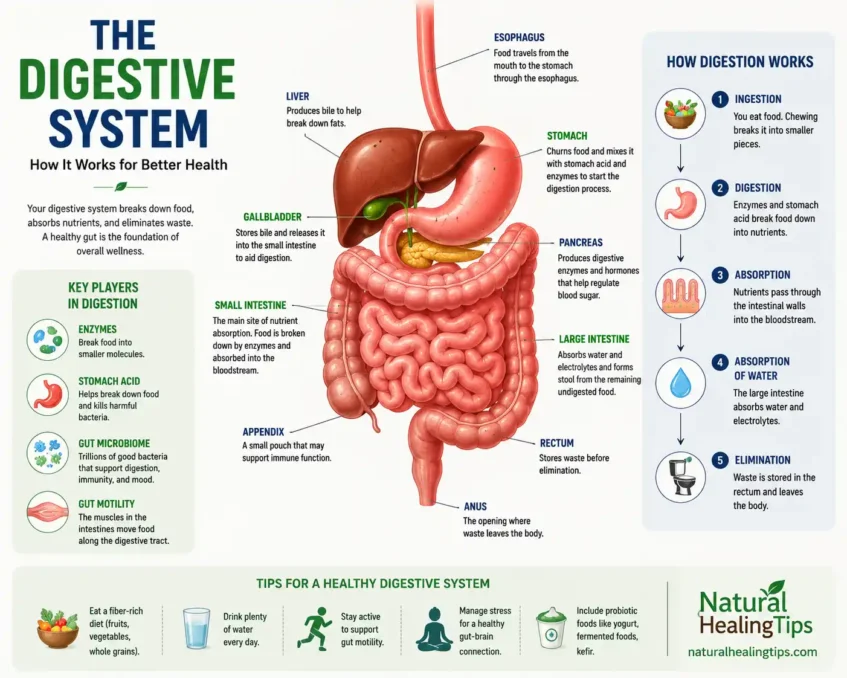
How the Digestive System Works
Understanding digestion helps explain why natural remedies can sometimes be helpful.
Digestion is a complex process involving multiple organs and biological systems working together.
Digestive Enzymes
Digestive enzymes are proteins that break food into smaller molecules.
For example:
- carbohydrates are broken into sugars
- proteins become amino acids
- fats become fatty acids
These nutrients can then be absorbed into the bloodstream and used by the body.
Digestive enzymes are produced in several places including the mouth, stomach, pancreas, and small intestine.
↗ Learn more about how the digestive system functions from the National Institute of Diabetes and Digestive and Kidney Diseases: NIDDK Digestive Diseases Information
Stomach Acid
The stomach produces hydrochloric acid to break down food and destroy harmful microbes.
Stomach acid also activates certain digestive enzymes.
Contrary to common belief, digestion problems are sometimes related to low stomach acid, which can make food harder to break down.
The Gut Microbiome
Inside the digestive tract lives a vast ecosystem of microorganisms known as the gut microbiome.
These microbes play several important roles:
- breaking down certain foods
- producing vitamins
- supporting immune function
- influencing inflammation
Scientists now consider the gut microbiome one of the most important factors in digestive health.
↗ Modern research continues exploring how the gut microbiome influences digestion and overall wellbeing: Cleveland Clinic Gut Health Guide
Gut Motility
Gut motility refers to the movement of food through the digestive tract.
Muscles in the digestive system contract rhythmically to move food along.
When gut motility slows down, symptoms such as constipation or bloating may occur.
Regular movement, hydration, and fiber intake help maintain healthy gut motility.
Common Digestive Problems
Digestive discomfort can appear in many forms.
Most people experience at least one of these symptoms occasionally.
Bloating
Bloating is a feeling of fullness or pressure in the abdomen.
It often occurs when gas builds up in the digestive tract.
Certain foods, large meals, or rapid eating may contribute to bloating.
Indigestion
Indigestion refers to discomfort in the upper stomach after eating.
Symptoms may include:
- heaviness
- mild stomach pain
- nausea
- early fullness
Constipation
Constipation occurs when bowel movements become infrequent or difficult.
Low fiber intake, dehydration, and lack of physical activity are common contributing factors.
Acid Reflux
Acid reflux occurs when stomach acid moves upward into the esophagus.
This can cause a burning sensation often called heartburn.
👉 Some people also explore natural ways to reduce acidity and heartburn symptoms at home: Home Remedies for Acidity and Heartburn
↗ The Mayo Clinic explains that acid reflux and heartburn are often influenced by eating habits and lifestyle factors: Mayo Clinic GERD Information
Gas and Flatulence
Gas is a natural byproduct of digestion.
However, excessive gas may cause discomfort and abdominal pressure.
The Science Behind Natural Digestive Remedies
Many natural digestive remedies support the body through specific biological mechanisms.
Understanding these mechanisms helps explain why certain foods and herbs have been traditionally used to support digestion.
Anti-Inflammatory Effects
Inflammation in the digestive tract can disrupt normal digestive processes.
Some herbs and spices contain compounds that may help reduce inflammation.
Examples include:
- turmeric
- ginger
- cinnamon
These ingredients have been studied for their natural anti-inflammatory properties.
Digestive Enzyme Stimulation
Certain foods stimulate the production of digestive enzymes.
Examples include:
- ginger
- papaya
- pineapple
These foods contain natural compounds that support digestive enzyme activity.
Gut Microbiome Balance
Fiber and fermented foods help nourish beneficial gut bacteria.
Examples include:
- yogurt
- kefir
- fermented vegetables
- whole grains
A diverse microbiome supports efficient digestion and immune health.
👉 Certain foods help nourish beneficial gut bacteria and improve digestion naturally: Gut Health Foods for Better Digestion
Antioxidant Protection
Oxidative stress can damage digestive tissues.
Antioxidants found in fruits, vegetables, herbs, and spices help protect digestive cells.
Colorful plant foods often contain the highest antioxidant levels.
Improved Gut Motility
Movement of food through the digestive tract depends on healthy gut motility.
Fiber, hydration, and light physical activity help maintain this process.
Even a short walk after meals may support digestion.
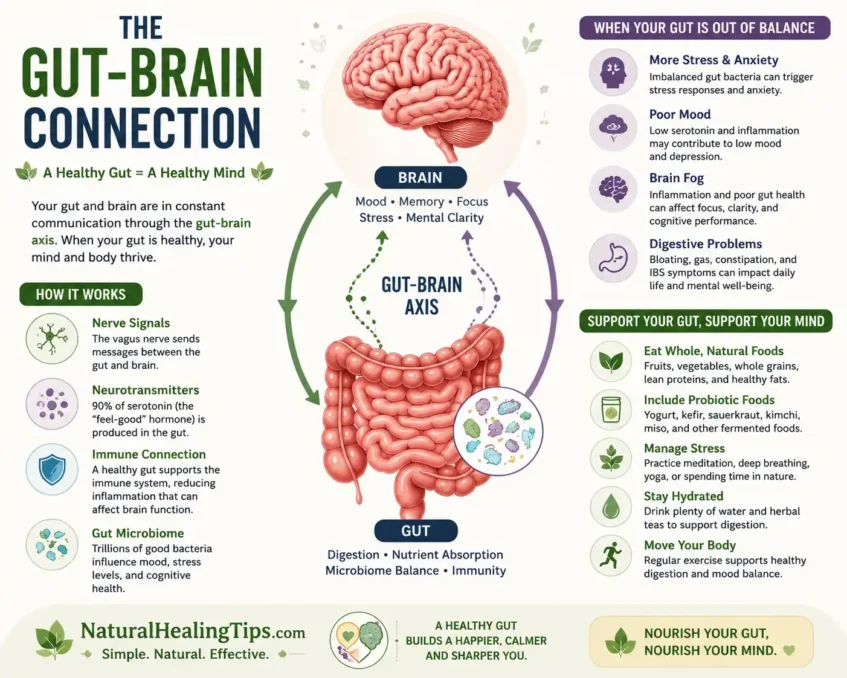
Stress and the Gut-Brain Axis
The digestive system communicates closely with the brain through what scientists call the gut-brain axis.
Stress can influence digestion in several ways:
- slowing gut motility
- altering appetite
- increasing stomach discomfort
Practices such as relaxation, breathing exercises, and regular physical activity may help support digestive balance.
↗ Medical experts also discuss the strong connection between stress and digestive health through the gut-brain axis: Johns Hopkins Brain-Gut Connection
What Modern Research Says About Digestive Health
Modern digestive research increasingly supports the idea that everyday habits play a major role in gut health.
Scientists now study digestion not only as a stomach-related process, but as a complex interaction involving nutrition, microbiome balance, inflammation, stress, sleep, and physical activity.
Research on the Gut Microbiome
Recent studies suggest that the gut microbiome may influence:
- digestion
- immune function
- metabolism
- mood and mental wellbeing
Researchers continue exploring how fiber-rich foods and fermented foods support beneficial gut bacteria.
Studies on Ginger and Digestion
Several studies have examined ginger for its potential role in supporting digestion and reducing mild nausea.
Researchers believe ginger may help support gastric emptying and digestive comfort in some individuals.
↗ Researchers continue studying ginger for its potential role in supporting digestion and reducing nausea: NIH Ginger Research Overview
The Role of Stress in Digestion
Research on the gut-brain axis shows that stress may influence digestive symptoms such as:
- bloating
- abdominal discomfort
- changes in appetite
- gut motility changes
This may help explain why relaxation practices, walking, yoga, and breathing exercises are commonly associated with digestive wellbeing.
Movement and Gut Motility
Physical activity is also closely linked to digestion.
Even gentle walking after meals may support gut motility and help food move more efficiently through the digestive tract.
Scientists continue studying how lifestyle habits influence long-term digestive health outcomes.
What I Personally Notice About Digestive Triggers
Many people assume digestion depends only on what they eat.
But over time, one interesting pattern becomes noticeable: digestion is often influenced just as much by how we eat, how stressed we are, and how quickly we rush through meals.
For example, some people tolerate certain foods perfectly well during relaxed weekends but experience bloating or heaviness when eating the same foods during stressful workdays.
Another common observation is that eating too quickly often creates more discomfort than the food itself.
In many households, older family members encourage sitting calmly while eating, chewing slowly, and avoiding distractions during meals. Modern research on the gut-brain axis now supports many of these traditional habits.
Even small changes such as:
- eating without screens
- taking a short walk after meals
- avoiding overeating at night
- reducing stress before meals
can noticeably improve digestive comfort for some individuals.
This highlights an important reality about digestion:
The digestive system responds not only to food — but also to lifestyle rhythm, stress levels, and eating behavior.
When Should You Be Concerned?
While occasional digestive discomfort is common, some symptoms require medical evaluation.
According to the Mayo Clinic, you should consult a healthcare professional if digestive symptoms include:
- persistent abdominal pain
- unexplained weight loss
- blood in stool
- ongoing vomiting
- difficulty swallowing
Natural remedies should support general wellbeing, but they should never replace professional medical advice when symptoms are persistent or severe.
Natural Remedies and Practical Solutions
Many natural digestive remedies come from traditional food practices used across cultures.
These remedies are often simple, affordable, and easy to incorporate into everyday routines.
Below are several commonly recommended approaches.
Foods That Support Digestion
Fiber-Rich Foods
Fiber supports regular bowel movements and feeds beneficial gut bacteria.
Examples include:
- oats
- beans
- lentils
- vegetables
- fruits
Increasing fiber gradually helps avoid temporary bloating.
👉 Many people also include gut-friendly foods in their routine to support smoother digestion: Foods That Naturally Clean Your Gut
↗ Harvard researchers also emphasize the importance of fiber-rich foods for digestive and overall health: Harvard Fiber Nutrition Guide
Fermented Foods
Fermented foods introduce beneficial bacteria into the digestive system.
Examples include:
- yogurt
- kefir
- sauerkraut
- fermented vegetables
These foods help support microbiome diversity.
Papaya
Papaya contains papain, an enzyme that helps break down proteins.
Many people eat papaya after meals to support digestion.
Bananas
Bananas are gentle on the digestive system and contain soluble fiber that supports gut health.

Herbs and Spices for Digestion
Many traditional spices have long been used to support digestive comfort.
Ginger
Ginger may stimulate digestive enzymes and help reduce nausea.
Many people notice that warm ginger tea feels especially soothing after heavy or oily meals.
In several traditional households, ginger is often consumed after festive meals because it is believed to help reduce heaviness and support smoother digestion.

👉 Many people drink herbal tea to support digestion: Ginger Tea for Digestion and Cold — Best Time to Drink and Benefits
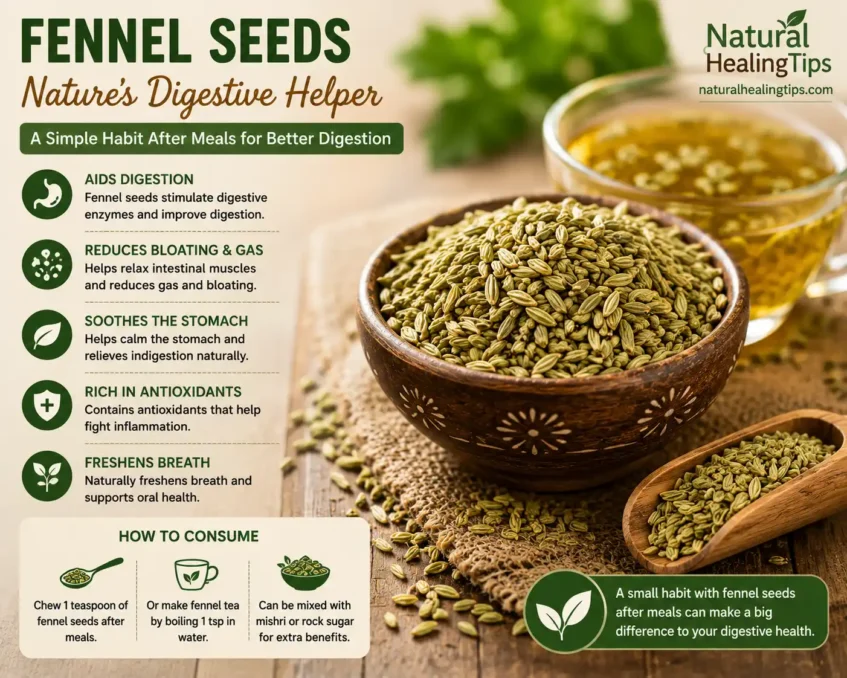
Fennel Seeds
Fennel seeds are commonly eaten after meals in many cultures.
They may help reduce gas and bloating.
In India and several Middle Eastern cultures, fennel seeds are traditionally served after meals in restaurants and homes.
Many people use them simply as a daily digestive habit rather than as a formal remedy.
Turmeric
Turmeric contains curcumin, known for its anti-inflammatory properties.
Cumin
Cumin seeds are widely used in Indian cooking and may support digestive enzyme activity.
Coriander
Coriander seeds are traditionally used in drinks that support digestion.
Ajwain (Carom Seeds)
Ajwain is a well-known digestive spice in Indian households.
It is often used after heavy meals.
Herbal Teas for Digestive Comfort
Herbal teas are one of the most popular natural remedies for digestive problems.
Common options include:
- ginger tea
- peppermint tea
- fennel tea
- chamomile tea
These teas are often consumed after meals to support digestive comfort.
👉 Certain herbal teas are traditionally used to support both stress relief and digestive comfort: Herbal Teas for Stress and Digestion
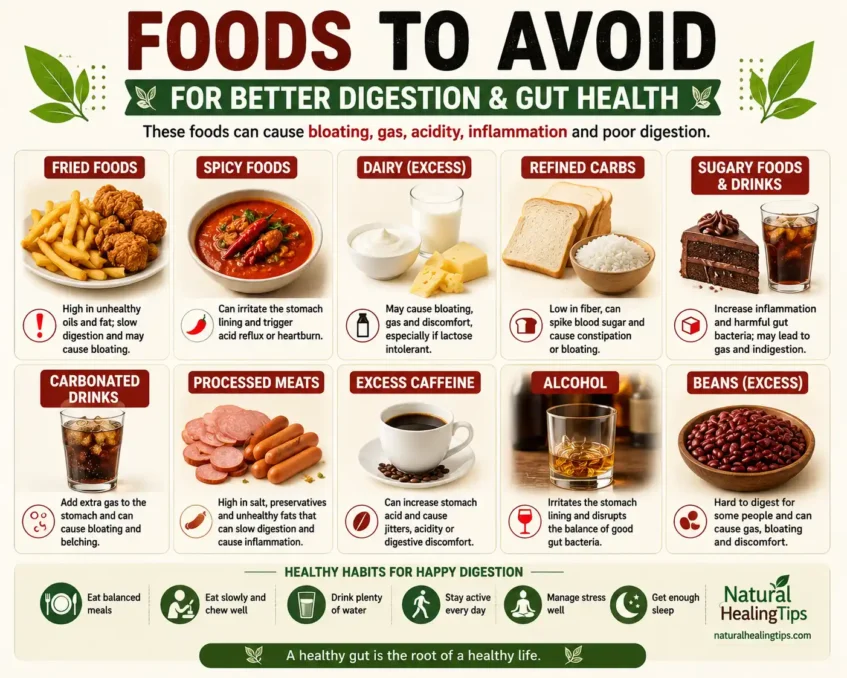
Foods That Commonly Trigger Digestive Discomfort
While some foods support digestion, others may contribute to bloating, heaviness, acid reflux, or stomach discomfort in sensitive individuals.
The digestive system responds differently from person to person, but certain dietary patterns are commonly associated with digestive irritation.
Highly Processed Foods
Ultra-processed foods often contain excessive sugar, refined oils, additives, and low fiber content.
These foods may disrupt gut microbiome balance and contribute to sluggish digestion.
Examples include:
- packaged snacks
- instant foods
- processed meats
- excessively sugary desserts
Fried and Greasy Foods
Heavy oily meals can slow stomach emptying and increase feelings of fullness or bloating.
Some people also experience acid reflux after consuming fried foods late at night.
Carbonated Drinks
Carbonated beverages introduce extra gas into the digestive system.
This may increase abdominal pressure and bloating in some individuals.
Eating Too Quickly
Fast eating often causes people to swallow excess air while also reducing proper chewing.
This can place additional strain on digestion.
Very Late-Night Meals
Large meals close to bedtime may increase digestive discomfort because digestion naturally slows during the evening.
Many people notice improved digestion simply by eating dinner earlier.
Rather than eliminating foods completely, many nutrition experts recommend observing personal food triggers and paying attention to how the body responds after meals.
Lifestyle Habits That Improve Digestion
Food is important, but daily habits matter just as much.
Eat Slowly
Digestion begins in the mouth.
Chewing food thoroughly helps digestive enzymes begin their work.
Stay Hydrated
Water helps dissolve nutrients and move food through the digestive tract.
Walk After Meals
Light movement stimulates gut motility.
Even a 10-minute walk can support digestion.
One interesting observation is that gentle walking often feels more comfortable for digestion than lying down immediately after eating.
Even slow movement for 10–15 minutes may help reduce feelings of heaviness after large meals.

Manage Stress
Stress influences digestion through the gut-brain axis.
Practices such as yoga, breathing exercises, and outdoor walks may support digestive health.
A Simple Daily Routine for Better Digestion
Many people look for a single remedy that will “fix” digestion.
In reality, digestion responds best to consistent daily habits.
A gentle routine that supports digestion throughout the day can make a noticeable difference over time.
Below is a simple example of a digestive-friendly daily rhythm.
Morning Habits
The digestive system is influenced by how we begin the day.
Small morning habits may help prepare the body for the day’s meals.
👉 Many people follow simple morning habits to support smoother digestion throughout the day: Morning Routine for Better Digestion Naturally
Drink Warm Water
Many people begin the morning with a glass of warm water.
Warm water may help stimulate the digestive tract and support hydration after sleep.
Some people add lemon, ginger, or a small pinch of cumin for flavor.
Eat a Balanced Breakfast
A balanced breakfast that includes fiber, protein, and healthy fats helps regulate digestion.
Examples include:
- oatmeal with fruit
- yogurt with nuts and seeds
- whole grain toast with eggs
- smoothies with fiber-rich fruits
Fiber-rich breakfasts help stimulate bowel movements and support gut bacteria.
Gentle Morning Movement
Light physical activity in the morning may stimulate digestion.
Examples include:
- stretching
- yoga
- a short walk
- breathing exercises
In traditional Ayurvedic routines, gentle morning movement is considered beneficial for digestion and overall wellbeing.
Meal Habits During the Day
How we eat can influence digestion just as much as what we eat.
Eat Slowly and Mindfully
Digestion begins in the mouth.
Chewing food thoroughly allows digestive enzymes in saliva to begin breaking down food before it reaches the stomach.
Eating slowly also gives the body time to signal fullness.
Avoid Overeating
Large meals can place extra strain on the digestive system.
Moderate portions often support smoother digestion.
Many traditional cultures encourage stopping meals before feeling overly full.
Include Digestive Spices
In traditional Indian kitchens, spices are often used not only for flavor but also for digestive support.
Common digestive spices include:
- cumin
- coriander
- ginger
- fennel
- turmeric
These spices are commonly added to soups, vegetables, and lentil dishes.
Stay Hydrated
Hydration supports digestion in several ways:
- helps dissolve nutrients
- supports gut motility
- prevents constipation
Drinking water consistently throughout the day is usually better than consuming large amounts at once.
Evening Habits
Evening habits often influence digestion overnight.
Choose Lighter Dinners
Large late-night meals may feel uncomfortable because digestion naturally slows during the evening.
Many nutrition experts recommend lighter dinners that include:
- vegetables
- lean protein
- whole grains
Take a Short Walk After Dinner
Light movement after dinner may help stimulate digestion.
Even a 10–15 minute walk can support gut motility.
In some cultures, walking after meals is a long-standing tradition.
Avoid Eating Too Late
Allowing several hours between dinner and bedtime may support comfortable digestion.
This gives the digestive system time to process food before sleep.
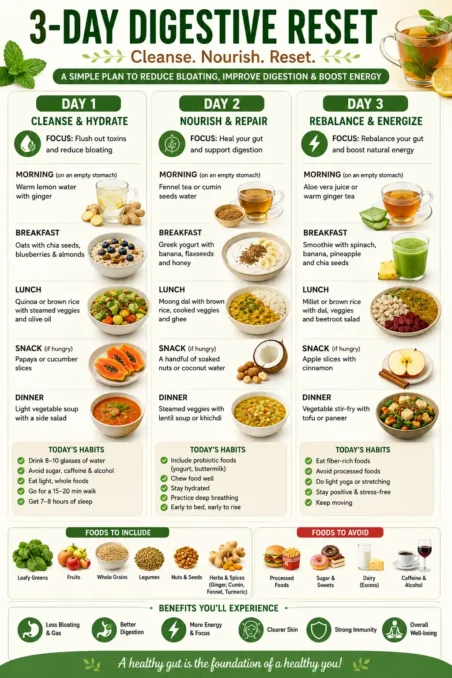
Try a 3-Day Natural Digestive Experiment
Sometimes the best way to understand digestion is simply to observe how the body responds to small changes.
Try the following 3-day routine and pay attention to how you feel.
Day 1 – Hydration and Mindful Eating
Morning
Drink a glass of warm water after waking.
Meals
Eat slowly and chew thoroughly.
Evening
Take a short walk after dinner.
Observe how your digestion feels.
Day 2 – Add Digestive Foods
Morning
Drink warm water with lemon.
Meals
Include fiber-rich foods such as vegetables, oats, or lentils.
Afternoon
Drink ginger or peppermint tea.
Evening
Avoid heavy late-night snacks.
Day 3 – Support Gut Balance
Morning
Eat a balanced breakfast with fruit and yogurt.
Meals
Include fermented foods such as yogurt or kefir.
Evening
Take a gentle walk after dinner and avoid eating late.
After three days, many people notice subtle improvements such as:
- reduced bloating
- smoother digestion
- more regular bowel movements
Small habits often reveal how responsive digestion can be.
Quick Summary
What Are the Best Natural Remedies for Digestive Problems?
Some of the most widely recommended natural remedies include:
- ginger tea for digestive comfort
- fennel seeds after meals
- turmeric for anti-inflammatory support
- fiber-rich foods such as oats and vegetables
- fermented foods like yogurt or kefir
- papaya for digestive enzymes
- peppermint tea for digestive relaxation
- drinking enough water throughout the day
- walking after meals
- eating slowly and mindfully
These habits support digestion gently over time.
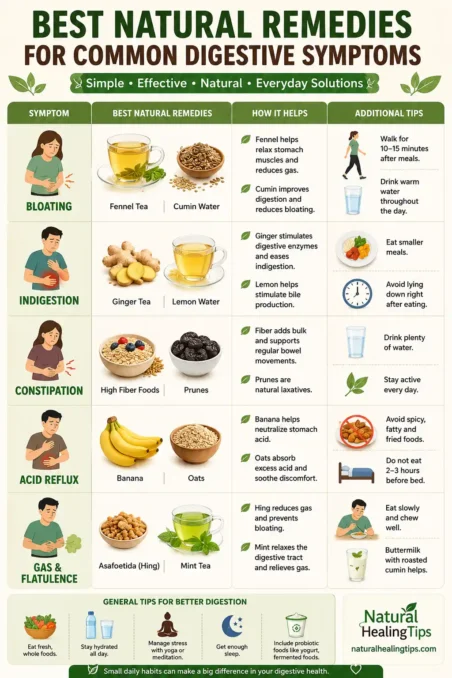
Best Natural Remedies Based on Symptoms
| Digestive Symptom | Natural Remedy Often Used | Why It May Help |
|---|---|---|
| Bloating | Fennel tea, walking after meals | May help reduce gas buildup |
| Indigestion | Ginger tea | May support digestive enzyme activity |
| Constipation | Fiber-rich foods, hydration | Supports bowel regularity |
| Acid Reflux | Smaller meals, avoiding late eating | May reduce stomach pressure |
| Gas | Eating slowly, cumin, fennel | May reduce swallowed air and support digestion |
Who Should Be Careful With Natural Digestive Remedies?
Although many natural digestive remedies are commonly used in everyday cooking, some individuals should exercise caution before making major dietary or herbal changes.
People With Chronic Digestive Conditions
Individuals with conditions such as:
- IBS (Irritable Bowel Syndrome)
- GERD (acid reflux disease)
- Crohn’s disease
- ulcerative colitis
may react differently to certain foods, herbs, or spices.
Pregnant or Breastfeeding Women
Some herbs and concentrated herbal preparations may not be suitable during pregnancy.
It is always safest to consult a qualified healthcare professional before using herbal supplements regularly.
People Taking Medications
Certain herbs may interact with medications related to:
- blood pressure
- blood thinning
- diabetes
- stomach acid control
Persistent Symptoms Should Not Be Ignored
Natural remedies may support general digestive wellness, but persistent symptoms require proper medical evaluation.
Digestive symptoms that continue for long periods should always be discussed with a healthcare professional.
Frequently Asked Questions
What are the best natural remedies for digestive problems?
Common natural remedies include ginger tea, fennel seeds, fiber-rich foods, fermented foods, hydration, and mindful eating habits.
How can I improve digestion naturally at home?
Improving digestion often involves simple habits such as eating slowly, staying hydrated, including fiber-rich foods, and incorporating herbs like ginger or cumin into meals.
Are herbal remedies safe for digestion?
Many herbs used in cooking are generally safe when consumed in moderate amounts. However, individuals with medical conditions should consult healthcare professionals before making dietary changes.
How often should you drink herbal tea for digestion?
Many people drink digestive herbal teas once or twice daily, especially after meals.
Who should avoid natural digestive remedies?
People with chronic digestive disorders, allergies, or underlying medical conditions should consult a healthcare professional before using herbal remedies.
Health Disclaimer
This article is for educational purposes only and should not replace professional medical advice. Always consult a qualified healthcare provider for diagnosis or treatment of medical conditions.
Final Thoughts
Digestive health is rarely shaped by one single food, herb, or remedy.
Instead, it develops gradually through everyday habits repeated consistently over time.
Across many traditional cultures, digestion has long been supported through simple practices:
- eating slowly
- using digestive spices
- walking after meals
- maintaining balanced meal routines
- reducing stress during eating
Modern research is now exploring many of these traditional practices and discovering how closely digestion is connected to lifestyle, stress, microbiome balance, hydration, and food quality.
One important lesson becomes clear:
Small habits often influence digestion more powerfully than dramatic short-term solutions.
Listening to your body, observing food patterns, and making gradual sustainable changes may support digestive comfort far more effectively over time.
Natural digestive support works best when it becomes part of daily life rather than a temporary fix.
Written by NaturalHealingTips Editorial Team
Reviewed according to our Medical Review Policy.






19 thoughts on “Natural Remedies for Digestive Problems”