
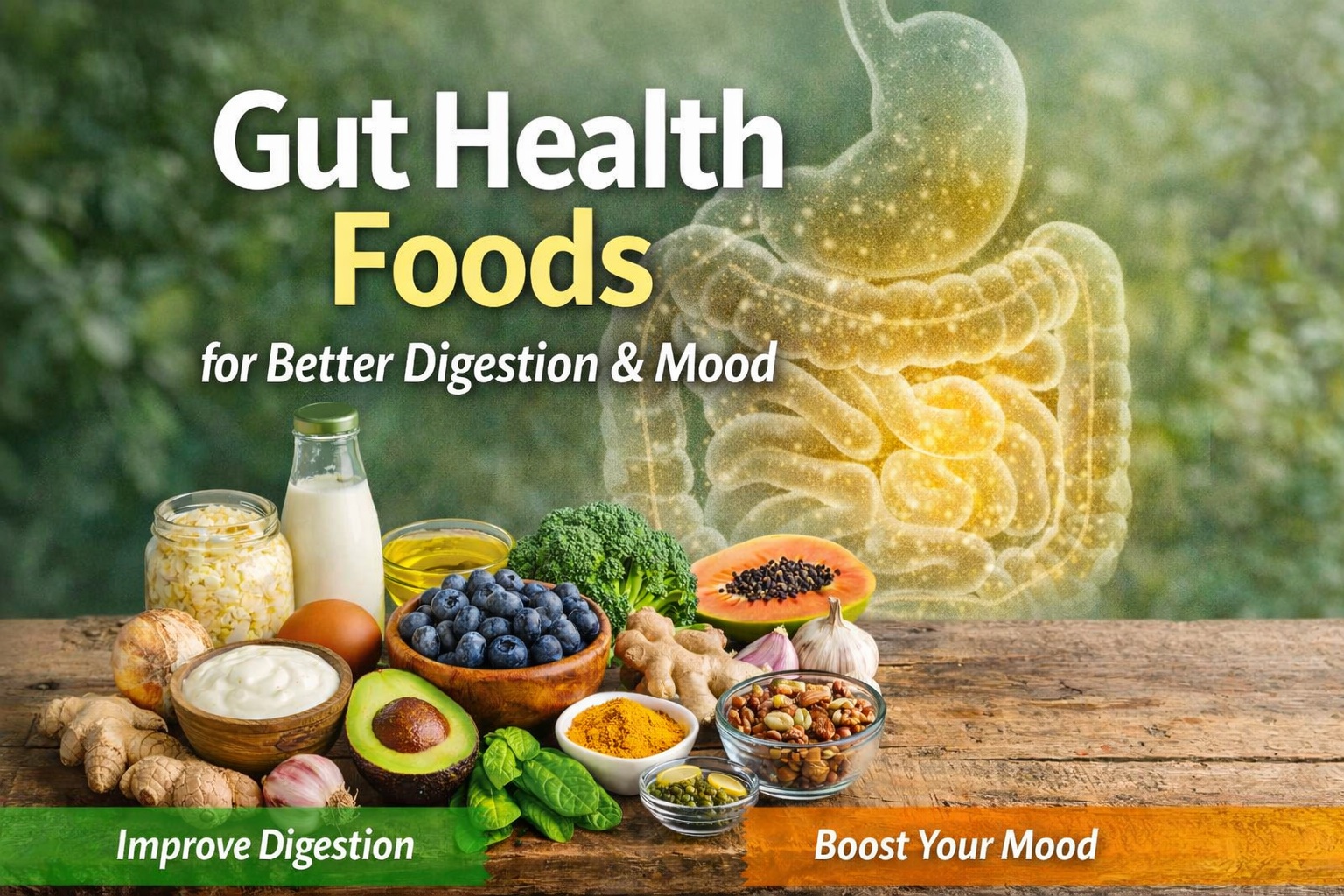
Gut Health Foods for Better Digestion
Gut health plays a crucial role in digestion, immunity, and overall wellness. The foods we eat every day can either support or disrupt the delicate balance of bacteria in the digestive system. In this complete guide, we explore the best gut health foods for better digestion, how the gut microbiome works, and practical daily habits that help maintain a healthy digestive system.
Many nutrition experts believe that choosing the right gut health foods for better digestion can significantly improve how the digestive system functions every day.
1. A Simple Moment That Makes Many People Curious
A reader once wrote to us about a small change she made in her kitchen.
For years, she had struggled with occasional bloating after meals. Nothing severe—just the kind of discomfort many people quietly accept as “normal.” One evening, her grandmother suggested something simple: add a small bowl of homemade yogurt and a pinch of roasted cumin powder to lunch.
Within a few days, she noticed something interesting.
Her stomach felt lighter.
Digestion seemed smoother.
And she began wondering something many people eventually ask:
Why do certain foods seem to help digestion so much?
Is it just tradition, or is there real science behind gut-friendly foods?
And perhaps most importantly—what should we actually eat to support a healthier digestive system?
As it turns out, the answers are both fascinating and surprisingly practical.
2. Is Digestive Discomfort Common?
If you occasionally feel bloated, sluggish, or uncomfortable after meals, you are far from alone.
Digestive discomfort is one of the most common health complaints worldwide.
Many people experience issues like:
- occasional bloating
- mild indigestion
- irregular bowel movements
- gas after meals
- feeling overly full
In most cases, these symptoms are connected not to serious disease but to dietary patterns, lifestyle habits, and the balance of bacteria in the gut.
Modern lifestyles can easily disrupt digestive balance.
Common triggers include:
- highly processed foods
- low fiber intake
- irregular eating schedules
- stress
- poor hydration
The good news?
Small changes in diet—especially choosing the right foods for gut health—can often make a noticeable difference.
Including gut health foods for better digestion in daily meals can help support gut bacteria and improve digestive comfort over time.
3. How the Digestive System Actually Works
To understand why certain foods support digestion, it helps to know a little about how the digestive system functions.
Fortunately, the process is less complicated than it may seem.
Digestion Begins in the Mouth
Digestion starts the moment we begin chewing.
Saliva contains enzymes that begin breaking down carbohydrates. Proper chewing gives the stomach a head start.
Eating too quickly often means the stomach must work harder later.
The Role of Stomach Acid
Once food reaches the stomach, stomach acid and enzymes break down proteins and help kill harmful microbes.
Healthy stomach acid levels are important for:
- digesting food efficiently
- absorbing nutrients
- preventing bacterial overgrowth
The Small Intestine and Nutrient Absorption
After leaving the stomach, food enters the small intestine, where most nutrients are absorbed.
Digestive enzymes from the pancreas and bile from the liver assist with breaking down fats, proteins, and carbohydrates.
The Gut Microbiome
One of the most exciting areas of modern nutrition research involves the gut microbiome.
The gut microbiome refers to the trillions of bacteria living inside our digestive system.
These microbes help with:
- digestion
- vitamin production
- immune function
- metabolism
Researchers increasingly recognize that the foods we eat can significantly influence the health of this microbial community.
Gut Motility
Gut motility refers to how food moves through the digestive tract.
Healthy digestion requires balanced movement—not too slow and not too fast.
Dietary fiber, hydration, and certain foods help regulate this process.
4. Common Digestive Problems Many People Experience
Even when someone generally eats well, digestive discomfort can still appear from time to time.
Here are some of the most common digestive issues people notice.
Bloating
Bloating often occurs when gas builds up in the digestive tract.
Common causes include:
- overeating
- eating too quickly
- certain foods fermenting in the gut
- imbalance in gut bacteria
👉 Some natural drinks can also support digestion after meals: Turmeric Milk Before Bed: Benefits, Science, and Who Should Avoid It
Indigestion
Indigestion can involve:
- stomach discomfort
- heaviness after meals
- mild nausea
Often it is linked to meal size, food choices, or stress levels.
👉 If meals often feel heavy, these remedies may help digestion: Home Remedies for Feeling Heavy After Eating
Constipation
Constipation is commonly related to:
- low fiber intake
- dehydration
- sedentary lifestyle
Certain foods can help stimulate bowel movement and improve digestive regularity.
👉 Some drinks may also support bowel movement and digestive comfort: Natural Drinks for Constipation Relief Overnight
Acid Reflux
Occasional reflux can happen when stomach contents move upward into the esophagus.
Eating habits, posture, and certain foods may influence symptoms.
👉 Many people also try natural kitchen remedies to ease digestive discomfort: Kitchen Ingredients That Reduce Gas Fast
5. Science Behind Gut Health Foods
Many of the best gut health foods for better digestion work by supporting beneficial gut bacteria, improving enzyme activity, and reducing digestive inflammation.
Many traditional digestive remedies are now supported by modern research.
Let’s explore several mechanisms through which foods support digestive health.
Anti-Inflammatory Effects
Some foods contain compounds that help calm digestive inflammation.
Examples include:
- turmeric
- ginger
- leafy greens
- berries
Chronic inflammation in the digestive tract can contribute to discomfort and poor nutrient absorption.
Anti-inflammatory foods may help support a healthier digestive environment.
👉 Some people also explore dietary approaches that reduce inflammation in the body: Anti-Inflammatory Diet for Natural Healing
Digestive Enzyme Support
Certain foods naturally stimulate digestive enzymes.
For example:
- pineapple contains bromelain
- papaya contains papain
- fermented foods contain natural enzymes
These compounds help break down food more efficiently.
Gut Microbiome Balance
Some foods nourish beneficial gut bacteria.
These are often referred to as prebiotic foods.
This is one reason why nutrition experts often recommend gut health foods for better digestion, since these foods nourish beneficial microbes in the digestive system.
Examples include:
- garlic
- onions
- oats
- bananas
- asparagus
They provide fuel for healthy gut microbes.
👉 Many digestive remedies also focus on restoring gut balance naturally: Natural Remedies for Digestive Problems
Probiotic Support
Fermented foods contain live beneficial bacteria known as probiotics.
Examples include:
- yogurt
- kefir
- fermented vegetables
- traditional buttermilk
These foods may help maintain microbial diversity in the gut.
Antioxidant Protection
Antioxidants help protect cells from oxidative stress.
Foods rich in antioxidants include:
- berries
- green tea
- colorful vegetables
These compounds also support overall digestive health.
Fiber and Gut Motility
Fiber plays a critical role in digestion.
There are two types:
Soluble fiber
- slows digestion
- supports beneficial bacteria
Insoluble fiber
- adds bulk to stool
- supports regular bowel movement
A balanced diet includes both.
6. The Role of Fiber in Gut Health
If there is one nutrient that consistently appears in digestive health research, it is dietary fiber.
Fiber is a type of carbohydrate found in plant foods that the body cannot fully digest. Instead of being broken down in the stomach or small intestine, fiber travels to the large intestine where it becomes a primary food source for beneficial gut bacteria.
This interaction between fiber and gut microbes plays a major role in digestive wellness.
In simple terms, fiber acts as fuel for the healthy bacteria living inside the gut.
When these bacteria ferment fiber, they produce beneficial compounds called short-chain fatty acids (SCFAs). These compounds help maintain the health of the intestinal lining and support immune function.
Many modern diets contain significantly less fiber than recommended.
As a result, increasing fiber intake through whole foods can be one of the simplest ways to support gut health.
Soluble Fiber vs Insoluble Fiber
Fiber is usually divided into two main types.
Soluble Fiber
Soluble fiber dissolves in water and forms a gel-like substance during digestion.
It helps:
- slow digestion
- regulate blood sugar levels
- support beneficial gut bacteria
Foods rich in soluble fiber include:
- oats
- beans
- apples
- flaxseeds
- barley
Insoluble Fiber
Insoluble fiber does not dissolve in water.
Instead, it adds bulk to stool and helps food move through the digestive tract more efficiently.
Common sources include:
- whole grains
- vegetables
- nuts
- seeds
Both types of fiber are important for digestive health.
A balanced diet naturally includes both.
7. Prebiotic Foods That Nourish Gut Bacteria
While probiotics often receive the most attention, prebiotic foods are equally important.
Prebiotics are special types of fiber that feed beneficial bacteria in the gut.
Without prebiotics, probiotic bacteria struggle to survive and multiply.
Think of it this way:
Probiotics are the helpful microbes.
Prebiotics are the food that keeps them alive.
Common Prebiotic Foods
Some of the best natural prebiotic foods include:
- garlic
- onions
- leeks
- asparagus
- bananas
- oats
- chicory root
- apples
In traditional Indian cooking, ingredients like garlic, onions, and lentils naturally provide prebiotic fibers.
Regular consumption of these foods may help support microbial diversity in the gut.
And microbial diversity is one of the key indicators of digestive health.
8. Fermented Foods Around the World
Fermented foods are among the oldest digestive remedies known to humans.
Long before refrigeration existed, fermentation was used to preserve food.
Interestingly, fermentation also created foods rich in beneficial microbes.
Today, many traditional fermented foods remain part of healthy diets across cultures.
Examples of Fermented Foods
Yogurt
Yogurt is one of the most widely consumed probiotic foods globally.
It contains live bacterial cultures that support digestive balance.
Kefir
Kefir is a fermented milk drink that contains a wide variety of probiotic strains.
Some studies suggest kefir may support microbial diversity in the gut.
Sauerkraut
Sauerkraut is fermented cabbage commonly used in European cuisine.
It contains natural probiotics and fiber.
Kimchi
Kimchi is a Korean fermented vegetable dish made with cabbage, garlic, ginger, and spices.
It is rich in beneficial microbes.
Traditional Indian Fermented Foods
Indian cuisine also includes several fermented foods such as:
- idli
- dosa batter
- fermented rice dishes
- homemade pickles
- buttermilk
These foods naturally contain beneficial bacteria that may support digestion.
9. Hydration and Digestive Health
Water plays an essential role in digestion.
Yet hydration is often overlooked when discussing gut health.
Adequate water intake helps:
- dissolve nutrients
- support enzyme activity
- soften stool
- maintain healthy gut motility
Without enough hydration, the digestive system may struggle to move food efficiently through the intestines.
Signs You May Need More Hydration
Some common signs include:
- dry mouth
- fatigue
- constipation
- headaches
While individual hydration needs vary, many people benefit from drinking water consistently throughout the day.
Herbal teas can also contribute to daily hydration.
10. How Stress Affects the Gut
One interesting thing researchers have found is that the digestive system and brain communicate constantly.
This connection is known as the gut-brain axis.
Stress can influence digestion in several ways.
For example, stress may:
- slow digestion
- alter gut bacteria
- increase digestive sensitivity
- affect appetite
Many people notice digestive discomfort during stressful periods.
👉 Stress and digestion are closely connected: Gut Brain Wellness
This is not surprising because the gut contains millions of nerve cells that interact with the nervous system.
Practices that help reduce stress may also support digestive health.
Examples include:
- walking
- meditation
- yoga
- breathing exercises
- spending time outdoors
11. Foods That May Trigger Digestive Discomfort
While many foods support digestion, some foods may cause discomfort for certain individuals.
Digestive responses vary from person to person.
However, some common triggers include:
- highly processed foods
- excessive sugar
- very greasy meals
- carbonated drinks
- overeating
These foods are not necessarily harmful when consumed occasionally.
But frequent consumption may disrupt digestive balance.
The key is moderation.
Listening to your body’s response to different foods can help identify personal triggers.
👉 If bloating happens frequently, these foods may help reduce discomfort: Foods That Stop Bloating Immediately at Home
12. Long-Term Habits for a Healthy Gut
Gut health is not built in a single day.
Instead, it reflects consistent daily habits.
Some of the most supportive long-term habits include:
- eating a variety of plant foods
- including fermented foods regularly
- staying physically active
- managing stress
- maintaining regular meal patterns
- getting adequate sleep
One interesting observation in nutrition research is that diet diversity often correlates with a more diverse gut microbiome.
In simple terms, the more varied your diet is, the more varied your gut bacteria may become.
And diversity in gut microbes is generally associated with better digestive resilience.
13. When Should You Be Concerned?
While occasional digestive discomfort is common, persistent symptoms should be evaluated by a healthcare professional.
Consult a doctor if you experience:
- unexplained weight loss
- persistent abdominal pain
- difficulty swallowing
- blood in stool
- severe or chronic symptoms
Trusted organizations like the:
↗ World Health Organization
↗ National Health Service
↗ Mayo Clinic
recommend medical evaluation if digestive symptoms persist or worsen.
Natural remedies can support digestive health but should not replace medical care when needed.
14. Natural Foods That Support Gut Health
Now let’s explore practical foods that can help improve digestion naturally.
1. Yogurt
Yogurt is one of the most widely recognized probiotic foods.
It contains beneficial bacteria that help support the gut microbiome.
In many Indian households, homemade curd is consumed daily with meals.
This tradition may play a role in maintaining digestive balance.
2. Fermented Foods
Fermented foods naturally contain beneficial microbes.
Examples include:
- kimchi
- sauerkraut
- kefir
- traditional pickled vegetables
These foods can add microbial diversity to the gut.
3. Ginger
Ginger has been used for centuries to support digestion.
It may help:
- stimulate digestive enzymes
- reduce nausea
- support stomach emptying
👉 Many people drink ginger tea after meals: Ginger Tea for Digestion and Cold — Best Time to Drink and Benefits
4. Fiber-Rich Vegetables
Vegetables provide both fiber and micronutrients.
Examples include:
- broccoli
- carrots
- spinach
- pumpkin
- cabbage
Fiber helps regulate bowel movements and feeds beneficial gut bacteria.
5. Bananas
Bananas are gentle on the digestive system.
They contain:
- soluble fiber
- potassium
- natural prebiotics
Many people find bananas soothing for mild digestive discomfort.
6. Whole Grains
Whole grains support digestive health because they contain:
- fiber
- B vitamins
- minerals
Examples include:
- oats
- brown rice
- millet
- quinoa
In traditional Indian diets, millets like ragi and jowar are excellent gut-friendly grains.
7. Papaya
Papaya contains digestive enzymes that help break down protein.
Many cultures use papaya as a natural digestive aid.
8. Fennel Seeds
Fennel seeds are commonly used in Indian cuisine.
They may help:
- reduce gas
- relax digestive muscles
- support smoother digestion
Many restaurants in India offer fennel seeds after meals for this reason.
👉 Another traditional spice used for digestion is cumin: Best Time to Drink Jeera Water
9. Turmeric
Turmeric contains curcumin, a compound known for its anti-inflammatory properties.
Used in moderation, turmeric can support digestive wellness.
👉 Turmeric has long been used in natural wellness traditions: Turmeric Benefits
10. Herbal Teas
Herbal teas are gentle and widely used for digestion.
Examples include:
- ginger tea
- peppermint tea
- chamomile tea
- fennel tea
👉 Herbal infusions have long been used to calm the stomach: Herbal Tea Recipes: The Complete Guide to Natural Healing Teas
Top Gut Health Foods and Their Benefits
| Food | Main Benefit | Type |
|---|---|---|
| Yogurt | Supports beneficial gut bacteria | Probiotic |
| Oats | Feeds gut microbes and improves digestion | Prebiotic Fiber |
| Bananas | Gentle on the stomach and supports gut bacteria | Prebiotic |
| Garlic | Nourishes beneficial microbes | Prebiotic |
| Ginger | Supports digestive enzyme activity | Digestive Herb |
| Papaya | Contains natural digestive enzymes | Digestive Fruit |
| Turmeric | Supports anti-inflammatory digestive balance | Anti-inflammatory spice |
| Fennel Seeds | Helps reduce gas and bloating | Digestive spice |
15. A Simple Daily Routine for Better Gut Health
Many people assume digestive health requires complicated diets or strict food rules.
In reality, small daily habits often make the biggest difference.
A balanced digestive routine supports the body’s natural rhythm and helps the gut microbiome remain stable.
Here is a simple routine many people find helpful.
Morning Habits
How we start the day can influence digestion for the next several hours.
1. Drink water after waking up
Hydration helps activate digestive movement in the intestines.
Warm water or lemon water is commonly used in many cultures to gently stimulate digestion.
2. Eat a fiber-rich breakfast
A balanced breakfast can support gut bacteria and provide steady energy.
Examples include:
- oatmeal with fruit
- yogurt with seeds
- whole grain toast with avocado
- millet porridge
Fiber early in the day often helps maintain digestive regularity.
3. Avoid rushing meals
Even a healthy meal can cause digestive discomfort if eaten too quickly.
Chewing thoroughly allows digestive enzymes in saliva to begin breaking down food.
👉 Some people also start the day with digestive herbal drinks: Best Morning Drinks for Acidity and Bloating
Meal Habits During the Day
Digestive health often depends on how we eat, not just what we eat.
1. Eat at consistent times
The digestive system works best when meals follow a predictable rhythm.
Irregular eating patterns may disrupt digestion.
2. Include gut-friendly foods in each meal
Examples:
- fermented foods
- vegetables
- whole grains
- herbs and spices
3. Avoid extremely large meals
Overeating can slow digestion and lead to bloating or heaviness.
Moderate portions are generally easier for the digestive system to handle.
👉 Certain foods can help reduce gas and improve digestion: What to Eat When You Have Gas and Bloating
After-Meal Habits
Simple habits after eating can also support digestion.
1. Take a short walk
Walking after meals may help stimulate gut motility.
In many traditional cultures, a short walk after dinner is considered beneficial.
2. Avoid lying down immediately
Remaining upright for at least 30 minutes after meals helps prevent reflux and supports digestion.
3. Drink herbal tea
Many people enjoy herbal tea in the evening.
Herbal teas may support digestion while also promoting relaxation.
👉 Some people also drink herbal digestive drinks after meals: Ajwain Water Benefits
Evening Habits
Digestive health is closely connected to sleep quality.
Late-night eating can sometimes interfere with digestion.
Helpful evening habits include:
- finishing dinner 2–3 hours before sleep
- avoiding heavy meals late at night
- choosing light, warm foods in the evening
Some people also enjoy warm milk with turmeric before bed.
👉 A calming nighttime drink may also support digestion: What to Drink at Night for Acidity Relief (India)
16. A Simple 3-Day Natural Experiment for Gut Health
If you are curious about improving digestion naturally, try a short 3-day experiment.
This is not a strict diet.
Instead, it is a simple way to observe how your body responds to gut-friendly habits.
This simple experiment focuses on introducing gut health foods for better digestion while observing how the body responds.
Day 1: Focus on Hydration and Fiber
Morning
- Start the day with warm water
- Eat a fiber-rich breakfast such as oats or fruit with yogurt
Lunch
- Include vegetables and whole grains
- Add fermented foods like yogurt or buttermilk
Evening
- Drink herbal tea
- Take a 10–15 minute walk after dinner
Observation
Notice whether you feel:
- less bloating
- lighter digestion
- improved energy
Day 2: Support the Gut Microbiome
Morning
- Include probiotic foods like yogurt or kefir
- Add fruit rich in natural fiber
Lunch
- Include leafy greens and whole grains
- Add spices such as cumin or ginger
Evening
- Eat a light dinner with vegetables
- Avoid late-night snacking
Observation
Pay attention to:
- appetite changes
- digestive comfort
- meal satisfaction
Day 3: Slow Eating and Mindful Habits
Morning
- Eat slowly and chew thoroughly
- Avoid eating while distracted
Lunch
- Include vegetables, healthy fats, and protein
- Drink water between meals rather than during meals
Evening
- Finish dinner early
- Drink calming herbal tea
Observation
Notice how mindful eating influences digestion.
Many people find that slowing down alone improves digestive comfort.
17. Quick Summary
What Are the Best Gut Health Foods for Better Digestion?
The best foods that support gut health and digestion include:
- yogurt and fermented foods (probiotics)
- fiber-rich vegetables
- whole grains like oats and brown rice
- bananas and apples
- papaya and pineapple
- garlic and onions (prebiotic foods)
- ginger and turmeric
- fennel seeds
- leafy greens
- herbal teas such as ginger or peppermint tea
These foods help support digestion by:
- nourishing beneficial gut bacteria
- improving nutrient absorption
- reducing digestive discomfort
- supporting healthy gut motility
Choosing gut health foods for better digestion regularly can help maintain a balanced microbiome and support digestive wellness over time.
A balanced diet that includes fiber, fermented foods, and natural ingredients can help maintain long-term digestive wellness.
18. Frequently Asked Questions
What foods are best for gut health?
Some of the best foods for gut health include yogurt, fermented foods, whole grains, vegetables, bananas, garlic, onions, and herbal teas. These foods support beneficial gut bacteria and improve digestion.
How often should you eat gut-friendly foods?
Gut-friendly foods can be included in daily meals. Consuming fiber-rich foods, fermented foods, and vegetables regularly helps maintain digestive balance and supports the gut microbiome.
Can diet improve digestion naturally?
Yes. Many digestive issues are linked to dietary habits. Increasing fiber intake, drinking enough water, and eating fermented foods may help improve digestion over time.
Are there side effects of eating too much fiber?
Suddenly increasing fiber intake may cause temporary bloating or gas. It is generally recommended to increase fiber gradually while maintaining adequate hydration.
Who should be cautious about dietary changes for digestion?
People with chronic digestive disorders, severe symptoms, or medical conditions should consult a healthcare professional before making major dietary changes.
19. Gentle Health Disclaimer
This article is intended for educational purposes only.
It does not replace professional medical advice, diagnosis, or treatment.
If you have persistent digestive symptoms or health concerns, consult a qualified healthcare professional.
20. A Final Thought About Gut Health
Digestive health is rarely about a single food or miracle remedy.
Instead, it often reflects the small habits we repeat every day.
The foods we choose, how we eat them, how we manage stress, and even how well we sleep can influence the digestive system.
The encouraging news is that improving gut health usually begins with simple changes.
Adding more whole foods.
Including fermented foods in meals.
Eating slowly.
Drinking enough water.
These habits may seem small, but over time they can support a healthier digestive system and overall well-being.
Sometimes the path to better health really does begin in the kitchen—with the ingredients we already have.






9 thoughts on “Gut Health Foods for Better Digestion”