
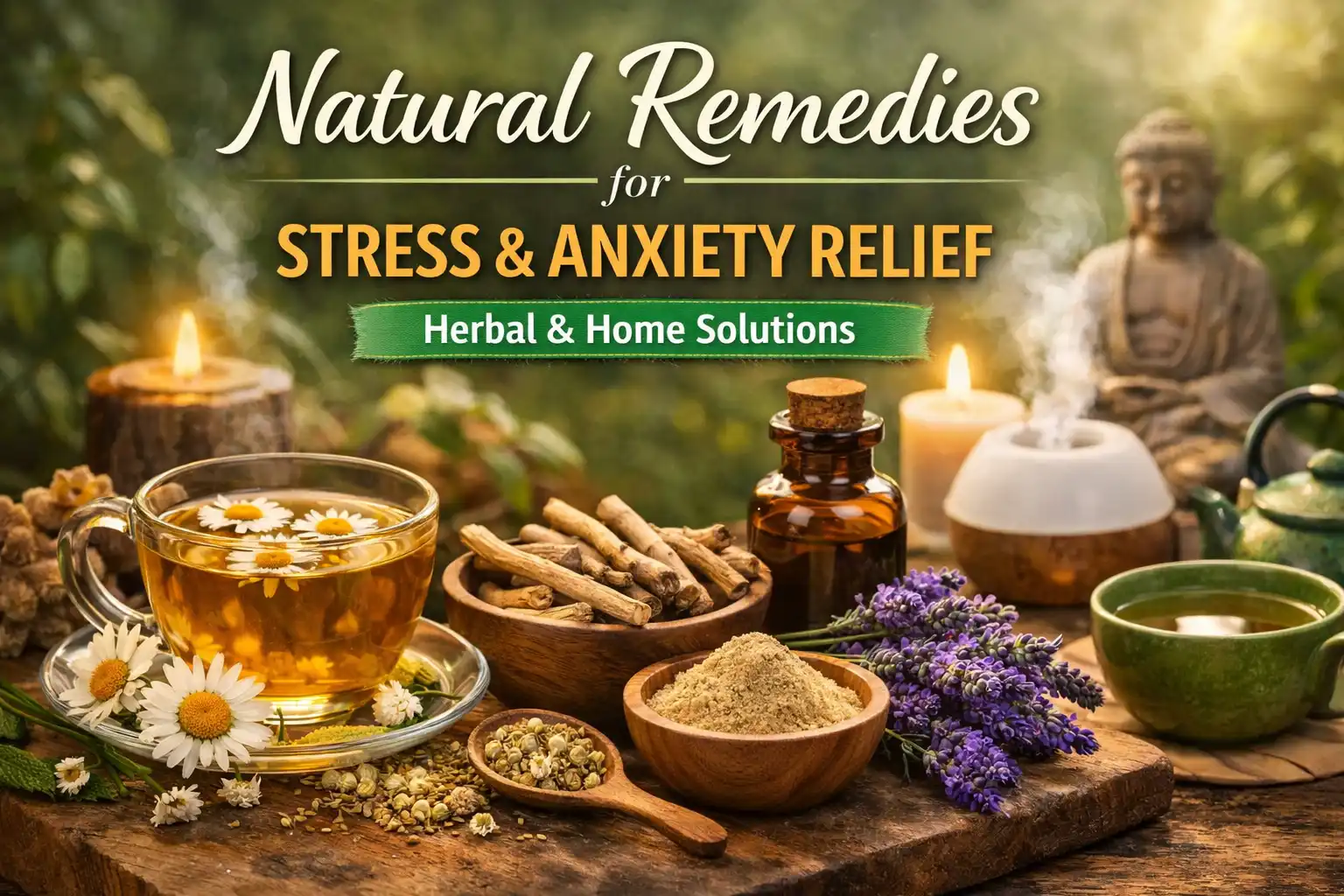
Natural Remedies for Stress and Anxiety Relief: 10 Simple Ways to Calm Your Mind
Some evenings feel heavier than others.
You finish dinner, maybe scroll through your phone for a while, and suddenly realize your mind is still racing. Thoughts about work, family responsibilities, unfinished tasks, or tomorrow’s schedule keep circling in your head.
Many readers search for simple and practical natural remedies for stress and anxiety relief that can help them relax without complicated treatments.
Sound familiar?
Many readers tell us they feel this quiet but constant tension in their daily lives. It’s not always dramatic panic or severe anxiety. Sometimes it’s simply a feeling of mental restlessness, a tight chest after a long day, or that familiar pressure behind the eyes that says your mind needs a break.
Stress has become part of modern life. Long working hours, financial concerns, social expectations, and constant digital notifications all place demands on our nervous system.
The good news is that small lifestyle changes can make a noticeable difference.
Natural approaches — including herbal teas, breathing practices, better sleep habits, and simple food choices — often help the body return to a calmer state.
In this guide, we’ll explore natural remedies for stress and anxiety relief that are realistic, gentle, and easy to incorporate into everyday life.
Is Stress and Anxiety in Daily Life Normal?
Before discussing remedies, it helps to understand something important.
Feeling stressed occasionally is normal.
Stress is actually the body’s natural response to pressure. When faced with a challenge or perceived threat, the brain releases hormones such as cortisol and adrenaline. These chemicals prepare the body to react quickly.
This response can be helpful in short bursts. For example:
- Preparing for an important meeting
- Studying for exams
- Handling unexpected situations
However, modern lifestyles sometimes keep the body in this alert state for too long.
Instead of occasional stress, people experience:
- Constant mental tension
- Difficulty relaxing
- Poor sleep quality
- Irritability
- Fatigue
Mild anxiety or daily stress doesn’t necessarily mean something is wrong. But when these feelings become persistent, it’s helpful to adopt habits that support the nervous system.
Natural remedies work best when used consistently and gently, rather than expecting instant dramatic results.
Understanding the Real Causes of Stress and Anxiety
Stress rarely has a single cause. It usually develops from a combination of biological, emotional, and lifestyle factors.
Let’s look at a few common contributors.
Lifestyle Overload
One of the most common causes of modern stress is simple overstimulation.
Many people wake up to phone notifications, spend hours in front of computers, commute through traffic, and return home to more screens.
The brain receives constant input but very little time to recover.
Over time this can lead to:
- Mental fatigue
- Irritability
- Difficulty focusing
- Sleep disturbances
Even positive activities, when packed too tightly into the day, can create pressure.
Poor Sleep Patterns
Sleep and stress influence each other deeply.
When sleep quality declines, cortisol levels tend to increase. This makes the body more sensitive to stress.
Common sleep disruptors include:
- Late-night phone use
- Irregular sleep schedules
- Heavy dinners close to bedtime
- Excess caffeine
In many Indian households, evening tea is a daily habit. While comforting, consuming strong tea late at night may make it harder to unwind.
If stress affects your sleep routine, you might also find our article helpful on best night drinks for better sleep naturally.
Nutritional Imbalances
Food affects mood more than most people realize.
A diet high in refined sugar, fried foods, or processed snacks can lead to blood sugar fluctuations. These changes often contribute to mood swings and irritability.
Certain nutrients support nervous system function, including:
- Magnesium
- Omega-3 fatty acids
- B-vitamins
- Antioxidants
Traditional Indian meals that include vegetables, lentils, nuts, and whole grains often provide these nutrients naturally.
Emotional and Social Pressures
Family expectations, financial responsibilities, and career demands can also contribute to anxiety.
Many people carry these worries quietly, believing they should simply “handle it.”
But emotional stress accumulates over time.
Talking to trusted friends, family members, or mentors can often provide surprising relief.
Lack of Physical Movement
Sedentary routines are another overlooked cause of stress.
When the body remains inactive for long periods, tension tends to accumulate in muscles and the nervous system.
Regular movement helps release endorphins, chemicals that support positive mood.
Even simple activities like walking after dinner can make a difference.
When Should You Be Concerned?
Natural remedies are helpful for mild to moderate stress, but there are situations where professional support becomes important.
If symptoms persist for weeks or begin affecting daily functioning, consulting a healthcare professional is advisable.
Signs that deserve attention include:
- Severe panic attacks
- Persistent insomnia
- Difficulty concentrating for long periods
- Loss of appetite
- Constant feelings of hopelessness
Organizations like the World Health Organization (WHO) highlight the importance of recognizing mental health concerns early.
👉 According to the World Health Organization, mental well-being plays a vital role in overall health, and lifestyle habits such as exercise, relaxation techniques, and social support can help manage stress effectively.
Similarly, resources from the National Health Service and the Mayo Clinic emphasize that professional guidance can be extremely helpful when stress becomes overwhelming.
Natural lifestyle practices can complement medical advice, but they should not replace proper care when needed.
10 Natural Remedies for Stress and Anxiety Relief
The goal of natural remedies is not to eliminate stress completely. Instead, they help the body return to balance more easily.
👉 The National Health Service also highlights simple daily habits such as physical activity, relaxation exercises, and quality sleep as effective ways to improve mental well-being.
Here are several practical approaches many people find helpful.
1. Herbal Teas That Calm the Mind
Warm herbal drinks have been used for relaxation across cultures for centuries.

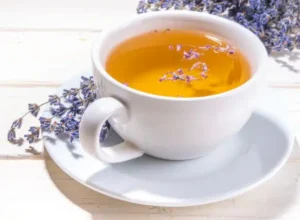
Some calming options include:
- Chamomile tea
- Tulsi (holy basil) tea
- Lemon balm tea
- Lavender tea
Tulsi tea is especially popular in India and is traditionally used to support stress resilience.
Try replacing one daily cup of strong tea with an herbal alternative and observe how your body responds.
👉 Many people also enjoy calming herbal drinks in the evening. You can explore several relaxing options in our guide to herbal tea recipes for relaxation and immunity.
👉 Some people also prefer warm herbal drinks in the morning. You may also find our guide helpful on cinnamon water morning benefits.
2. Gentle Breathing Practices
Deep breathing signals the nervous system that it is safe to relax.
A simple technique:
- Inhale slowly for four seconds
- Hold for four seconds
- Exhale slowly for six seconds
Repeat this cycle for two minutes.
Many people notice their heart rate slowing within a few breaths.
3. Short Daily Walks
Walking is one of the most underestimated stress-relief tools.
A 20-minute evening walk can help release physical tension and clear mental clutter.
Parks, quiet streets, or even terrace walks can provide a break from daily pressures.
4. Balanced Meals
Food that stabilizes energy often stabilizes mood as well.
Consider including:
- Nuts and seeds
- Fresh vegetables
- Whole grains
- Lentils and legumes
- Seasonal fruits
These foods provide nutrients that support brain function.
👉 Healthy food choices can also influence mood and energy levels. You may find inspiration in our collection of healthy recipes for daily wellness.
5. Limiting Late-Night Screen Time
Digital devices stimulate the brain and expose the eyes to blue light, which may disrupt sleep hormones.
A helpful habit is the “one-hour wind-down rule.”
Try switching off screens at least one hour before bedtime and replacing them with calmer activities like reading or journaling.
6. Light Yoga or Stretching
Yoga combines breathing, stretching, and mindfulness.
Even 15 minutes of gentle stretching before bed can reduce muscle tension and encourage relaxation.
Common beginner poses include:
- Child’s pose
- Cat-cow stretch
- Forward fold
7. The Three-Day Calm Experiment
Sometimes the best way to understand stress triggers is to observe patterns.
Try this small experiment for three days:
- Drink herbal tea instead of evening caffeine
- Take a short walk after dinner
- Avoid screens before bed
Notice how your mood and sleep respond.
Many readers are surprised by how quickly small changes affect mental well-being.
👉 Some people also notice fatigue or sleepiness after meals. If this happens to you, read our guide on why you feel sleepy after meals.
What Causes Stress and Anxiety in Daily Life?
Common contributors include:
- Lack of quality sleep
- Excessive screen exposure
- Nutritional imbalances
- Emotional or financial pressures
- Sedentary lifestyle
- Constant mental stimulation
- Poor work-life balance
Understanding these triggers often helps people address stress more effectively.
Why Natural Stress Relief Methods Are Becoming Popular
Many people today are looking for natural ways to manage stress without relying only on medication. Simple habits like herbal teas, breathing exercises, regular movement, and balanced nutrition support the nervous system and encourage relaxation.
These natural stress relief methods focus on restoring balance in the body and mind, making them practical additions to everyday life.
Frequently Asked Questions
What are the best natural remedies for stress and anxiety relief?
Some effective natural remedies include herbal teas, breathing exercises, regular walking, balanced nutrition, yoga, and improving sleep habits.
Which herbal drink helps calm anxiety naturally?
Chamomile tea, tulsi tea, and lemon balm tea are commonly used to promote relaxation and support calmness.
Can lifestyle changes really reduce anxiety?
Yes. Daily habits like exercise, sleep routines, and balanced meals can significantly influence the body’s stress response.
How long do natural remedies take to work?
Some practices like breathing exercises provide immediate relaxation, while lifestyle changes may take several weeks to show consistent results.
Is it safe to manage stress naturally without medication?
For mild stress, natural approaches may be helpful. However, persistent or severe anxiety should always be discussed with a healthcare professional.
Gentle Health Disclaimer
This article is intended for educational purposes only. It does not replace professional medical advice, diagnosis, or treatment. If you experience persistent anxiety, severe stress, or mental health concerns, consult a qualified healthcare professional.
A Calm Conclusion
Stress may be part of modern life, but it does not have to dominate everyday experience.
Often the most powerful changes are surprisingly small.
A warm herbal drink in the evening.
A short walk after dinner.
A few quiet minutes of breathing before bed.
These simple habits gently remind the body that it can slow down.
Natural remedies for stress and anxiety relief work best when practiced consistently and patiently. Over time, they help create a lifestyle that supports both mental clarity and emotional balance.
And sometimes, that calm feeling begins with something as simple as taking a deep breath.






1 thought on “Natural Remedies for Stress and Anxiety Relief”