
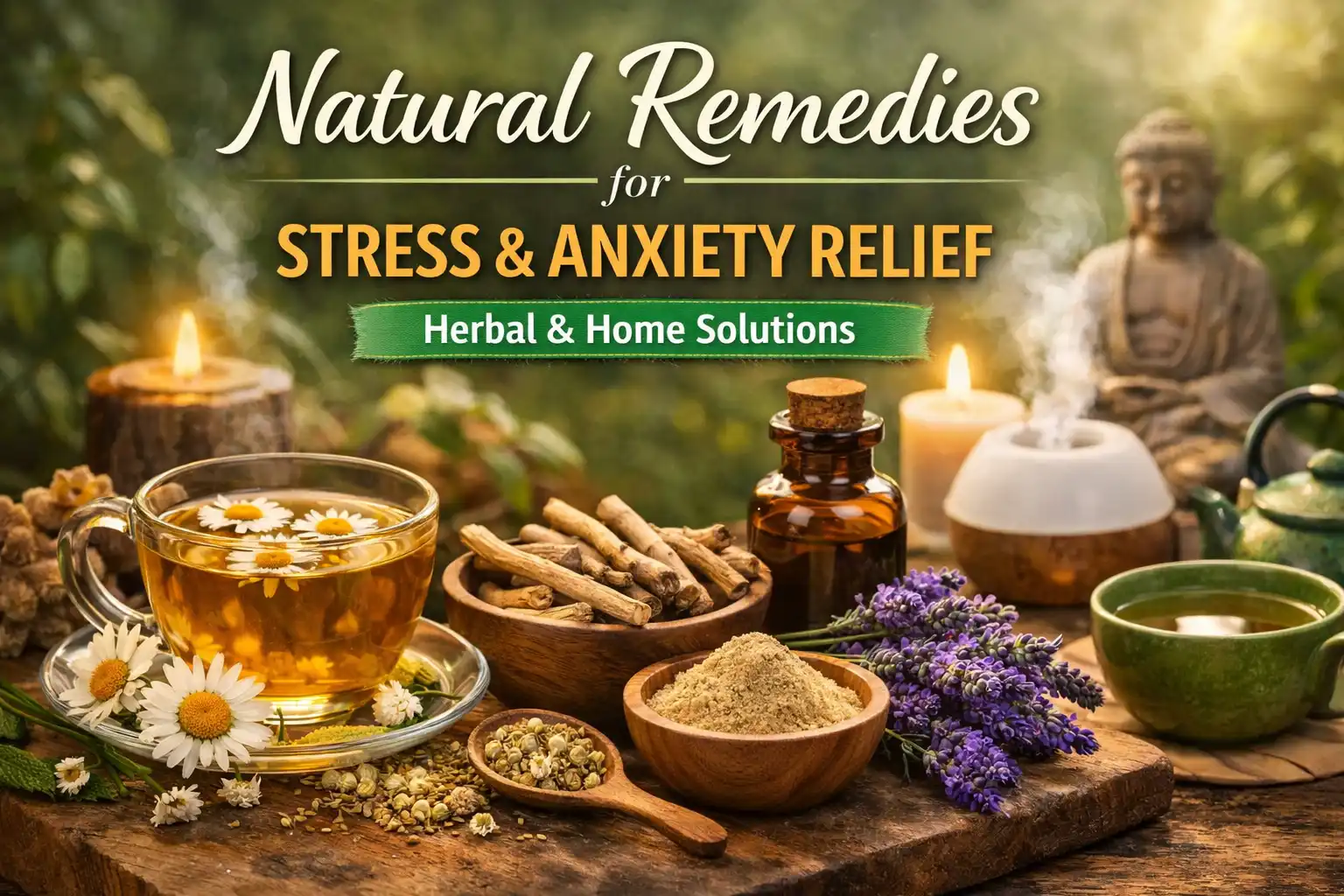
Natural Remedies for Stress and Anxiety Relief
1. A Moment Many of Us Recognize
A few years ago, a reader shared something simple yet familiar.
She described coming home after a long workday, sitting quietly at the kitchen table, and realizing her mind still felt busy even though the day was over. The emails were answered. The meetings were done.
Yet the tension remained.
So she tried something small.
She made a cup of warm herbal tea, turned off her phone, and sat quietly for a few minutes.
Nothing dramatic happened.
But something subtle did.
Her breathing slowed. Her shoulders relaxed. And for the first time that evening, she felt a little calmer.
Moments like this raise interesting questions.
Why does stress sometimes linger even after the stressful situation ends?
Why do certain foods, herbs, or routines seem to calm the body naturally?
And can simple lifestyle habits really help support emotional balance?
For many people, the answer is yes.
Across cultures — from Western herbal traditions to Ayurvedic practices in India — people have long used natural remedies to support mental calm and emotional resilience.
Today, modern research is beginning to explore why these traditions may work.
Many of these traditions focus on natural remedies for stress and anxiety relief, using simple lifestyle habits, herbs, and calming routines.
👉 Many people discover that certain herbal drinks help create a relaxing evening ritual: Herbal Tea Recipes: The Complete Guide to Natural Healing Teas
2. Is Stress and Anxiety Common Today?
Short answer: very.
Stress is one of the most common health concerns worldwide.
According to global health surveys, millions of adults report experiencing frequent stress, sleep difficulties, or feelings of anxiety related to work, finances, relationships, or daily responsibilities.
Modern life moves quickly.
Many people juggle:
- demanding work schedules
- digital overload
- financial pressure
- family responsibilities
- constant information flow
Even positive events can create stress.
Starting a new job.
Moving homes.
Planning a wedding.
The body simply interprets many changes as demands on energy and attention.
The important thing to remember is this:
Feeling occasional stress does not mean something is wrong with you.
It means your body is responding to its environment.
The goal is not to eliminate stress completely.
Instead, the goal is learning healthy ways to help the body recover and return to balance.
Because of this, many people are now exploring natural remedies for stress and anxiety relief that support both mental and physical wellbeing.
3. How the Body Handles Stress
To understand natural remedies for stress relief, it helps to understand how the body responds to stress in the first place.
The process involves several systems working together.
The Nervous System
The nervous system has two key modes.
1. Sympathetic nervous system
Often called the “fight or flight” system.
It activates when the brain senses danger or pressure.
This increases:
- heart rate
- alertness
- adrenaline
- cortisol
These responses are helpful in short bursts.
But if activated too often, they may contribute to fatigue or anxiety.
2. Parasympathetic nervous system
Often called the “rest and digest” system.
This system helps the body:
- relax
- digest food
- slow breathing
- repair tissues
- restore energy
Many natural remedies work by activating this calming system.
Understanding how the body reacts to pressure helps explain why many natural remedies for stress and anxiety relief focus on calming the nervous system.
👉 Simple breathing practices can activate the body’s natural relaxation response: Breathing Techniques for Stress and Panic Relief
Stress Hormones
The body releases hormones such as:
- cortisol
- adrenaline
- norepinephrine
These chemicals prepare the body for action.
But chronically elevated levels may affect:
- sleep quality
- mood
- digestion
- immune balance
Brain and Emotional Regulation
Areas of the brain involved in stress include:
- the amygdala, which processes emotions
- the prefrontal cortex, which supports decision-making
- the hypothalamus, which controls hormonal responses
Natural practices such as breathing exercises, herbal teas, and gentle movement may help signal safety to the brain, allowing these systems to calm down.
4. Common Signs of Stress and Anxiety
Stress appears differently in each person.
Some notice physical symptoms.
Others notice emotional or behavioral changes.
Common signs include:
Physical Signs
- muscle tension
- headaches
- digestive discomfort
- fatigue
- difficulty sleeping
Emotional Signs
- irritability
- worry
- restlessness
- difficulty concentrating
Lifestyle Signs
- changes in appetite
- reduced motivation
- feeling overwhelmed
- constant mental fatigue
These symptoms do not automatically mean a medical condition.
But they may signal that the body needs rest, nourishment, and better stress-recovery habits.
5. Science Behind Natural Stress Relief
Scientists are increasingly studying natural remedies for stress and anxiety relief to understand how herbs, nutrition, and lifestyle habits influence the body’s stress response.
Researchers have studied several mechanisms through which natural remedies may support stress management.
Here are a few key ones.
Adaptogenic Effects
Certain herbs known as adaptogens may help the body adapt to stress.
These herbs may support hormonal balance and energy regulation.
Examples include:
- ashwagandha
- holy basil (tulsi)
- rhodiola
Adaptogens have been used in traditional systems like Ayurveda for centuries.
Anti-Inflammatory Effects
Chronic stress may contribute to low-grade inflammation in the body.
Some plant compounds — particularly antioxidants — may help support healthy inflammatory balance.
These compounds are found in:
- turmeric
- ginger
- green tea
- berries
Nervous System Support
Certain nutrients and herbs may help support neurotransmitters involved in relaxation.
These include:
- magnesium
- B vitamins
- L-theanine (found in tea)
- chamomile
These substances may influence pathways involved in calmness and emotional regulation.
Sleep Regulation
Stress and sleep influence each other closely.
Herbal teas and calming routines may improve sleep quality.
Better sleep supports:
- emotional resilience
- hormonal balance
- mental clarity
Gut-Brain Connection
An interesting area of research focuses on the gut-brain axis.
The digestive system contains millions of nerve cells that communicate with the brain.
Healthy gut bacteria may influence mood and stress response.
This is why diet often plays a role in emotional wellbeing.
👉 Some herbs are known as adaptogens because they help the body respond to stress more effectively: Top Adaptogenic Herbs for Stress and Energy
6. When Should You Be Concerned?
Natural remedies can be helpful for mild or occasional stress.
However, professional support may be important in certain situations.
Health organizations recommend speaking with a healthcare professional if symptoms include:
- persistent anxiety
- severe sleep problems
- panic attacks
- long-lasting sadness
- difficulty functioning in daily life
↗ Mayo Clinic Anxiety Overview
Mental health support may include:
- counseling
- therapy
- medical evaluation
- lifestyle support
Natural practices can often complement professional care, but they should not replace it when needed.
7. Natural Remedies and Practical Solutions
Here are several natural approaches many people find helpful.
The following natural remedies for stress and anxiety relief are commonly used in traditional wellness systems and modern holistic health practices.
These methods are gentle and easy to integrate into daily life.
1. Calming Herbal Teas
Herbal teas have been used for relaxation across many cultures.
Popular calming teas include:
- chamomile
- lemon balm
- tulsi (holy basil)
- lavender
- peppermint
Drinking tea itself creates a small pause in the day.
👉 Certain herbal teas are traditionally used for both digestion and relaxation: Herbal Teas for Stress and Digestion
2. Ashwagandha and Adaptogenic Herbs
Ashwagandha is widely used in Ayurvedic practice.
It may support:
- stress resilience
- energy balance
- sleep quality
However, herbs should always be used responsibly and ideally with professional guidance.
3. Magnesium-Rich Foods
Magnesium is often called the relaxation mineral.
Foods rich in magnesium include:
- spinach
- pumpkin seeds
- almonds
- bananas
- dark chocolate
These foods support nervous system balance.
4. Gentle Physical Movement
Movement helps release tension stored in the body.
Effective options include:
- walking
- yoga
- stretching
- slow cycling
Even 20 minutes of movement can improve mood.
👉 Gentle yoga practices are widely used to calm the nervous system and reduce tension: Yoga for Stress and Anxiety Relief – Simple Poses That Calm the Mind
5. Breathing Practices
Slow breathing signals the brain that it is safe to relax.
Simple breathing practice:
- inhale for 4 seconds
- exhale for 6 seconds
- repeat for 5 minutes
This activates the parasympathetic nervous system.
6. Sunlight and Nature Exposure
Spending time outdoors can support emotional wellbeing.
Nature exposure may:
- reduce mental fatigue
- improve mood
- regulate sleep cycles
Even short walks in a park can help.
7. Warm Evening Drinks
Warm drinks can become calming evening rituals.
In many Indian households, people drink turmeric milk at night for relaxation.
👉 Some people enjoy a warm bedtime drink for relaxation: Turmeric Milk Before Bed: Benefits, Science, and Who Should Avoid It
8. Balanced Meals
Skipping meals or eating excessive processed foods may worsen stress responses.
Meals that support emotional balance often include:
- protein
- healthy fats
- fiber
- whole grains
These nutrients stabilize blood sugar.
9. Digital Breaks
Constant screen exposure can overstimulate the brain.
Creating small technology breaks during the day may reduce mental fatigue.
Try:
- no phone during meals
- a 30-minute evening screen break
- a tech-free morning routine
👉 Reducing constant screen exposure can significantly improve mental clarity and emotional wellbeing: Digital Detox for Mental Health
10. Digestive Support
Digestive discomfort can worsen stress.
Many people notice that gut health and emotional wellbeing are closely connected.
👉 Supporting digestion may indirectly support emotional balance: Kitchen Ingredients That Reduce Gas Fast
8. The Role of Nutrition in Stress and Emotional Balance
One interesting thing researchers have increasingly observed is that what we eat can influence how we feel emotionally.
Food does much more than provide calories. It provides nutrients that influence:
- brain chemistry
- hormone balance
- gut health
- energy levels
When meals lack key nutrients, the body may struggle to regulate stress responses efficiently.
Nutrition is often an overlooked part of natural remedies for stress and anxiety relief, yet the brain relies heavily on nutrients to regulate mood.
On the other hand, nourishing foods may help the body maintain a more stable internal environment, which supports emotional resilience.
Nutrients That Support Calmness
Several nutrients play a role in maintaining a balanced nervous system.
Magnesium
Magnesium participates in hundreds of biochemical reactions in the body.
It helps regulate:
- muscle relaxation
- nerve signaling
- sleep quality
Magnesium-rich foods include:
- pumpkin seeds
- almonds
- spinach
- avocados
- legumes
Many people unknowingly consume less magnesium than recommended, especially if their diet relies heavily on processed foods.
Omega-3 Fatty Acids
Omega-3 fats support brain cell structure and communication.
Sources include:
- walnuts
- flaxseeds
- chia seeds
- fatty fish such as salmon and sardines
These healthy fats may help support emotional balance when consumed regularly.
B Vitamins
B vitamins help convert food into energy and support the nervous system.
They are found in:
- whole grains
- eggs
- leafy greens
- legumes
- dairy products
A balanced intake of B vitamins supports brain metabolism and mental clarity.
Tryptophan-Containing Foods
Tryptophan is an amino acid involved in the production of serotonin.
Serotonin is often called the “feel-good neurotransmitter.”
Foods containing tryptophan include:
- oats
- yogurt
- bananas
- pumpkin seeds
- turkey
Combining these foods with complex carbohydrates may help the body use tryptophan efficiently.
👉 Nutrition plays a major role in how the body handles stress and inflammation: Anti-Inflammatory Diet for Natural Healing
9. The Gut-Brain Connection and Emotional Health
A fascinating area of research involves the gut-brain axis.
This refers to the communication network between:
- the digestive system
- the nervous system
- the brain
The digestive tract contains millions of nerve cells, sometimes referred to as the body’s “second brain.”
Gut bacteria also produce substances that influence mood-related neurotransmitters.
This means digestive health may indirectly affect emotional wellbeing.
Signs that digestion may influence stress include:
- bloating during stressful periods
- appetite changes
- stomach discomfort during anxiety
Supporting digestion with balanced meals and gentle herbal remedies may therefore help both gut comfort and emotional balance.
This is one reason many natural remedies for stress and anxiety relief focus on improving gut health alongside mental wellness.
👉 Researchers now study the close connection between digestion and emotional wellbeing: Gut-Brain Wellness – How Digestion Influences Mental Health
10. Traditional Stress Remedies from Different Cultures
Throughout history, different cultures have developed natural ways to calm the mind and support emotional balance.
Across cultures, traditional medicine systems developed their own natural remedies for stress and anxiety relief using herbs, spices, and daily routines.
Many of these traditions continue today.
Ayurvedic Practices
In Ayurveda, emotional wellbeing is closely linked to daily routines and digestive balance.
Common Ayurvedic calming practices include:
- drinking warm herbal teas
- using herbs such as ashwagandha and tulsi
- maintaining regular sleep schedules
- practicing gentle yoga or meditation
Warm foods and spices are often emphasized in Ayurvedic cooking.
These may include:
- turmeric
- ginger
- cardamom
- fennel
Traditional Chinese Herbal Practices
Traditional Chinese wellness practices often focus on restoring yin-yang balance.
Herbs such as:
- ginseng
- jujube
- licorice root
have historically been used to support vitality and emotional equilibrium.
Breathing exercises and movement practices like tai chi are also commonly used to reduce stress.
Mediterranean Lifestyle Habits
In Mediterranean regions, emotional health is often supported through lifestyle practices such as:
- regular outdoor meals
- strong social connections
- walking after meals
- diets rich in olive oil, vegetables, and whole foods
These habits emphasize community, nutrition, and moderate activity.
Interestingly, many modern wellness recommendations reflect these long-standing traditions.
11. Herbs That Traditionally Support Relaxation
Herbal remedies have been used for centuries to help calm the mind.
Here are a few widely recognized herbs used in traditional wellness practices.
Chamomile
Chamomile is one of the most popular herbal teas worldwide.
It contains plant compounds that may promote relaxation and improve sleep quality.
Many people drink chamomile tea in the evening to wind down.
Tulsi (Holy Basil)
Tulsi is a revered herb in Indian households.

In Ayurvedic tradition, tulsi is often used to support:
- stress resilience
- respiratory health
- immune balance
Tulsi tea has a slightly peppery flavor and is often consumed daily.
Ashwagandha
Ashwagandha is considered an adaptogenic herb.
Adaptogens are believed to help the body cope with physical and emotional stressors.
Ashwagandha is commonly available as:
- powder
- capsules
- herbal extracts
However, herbal supplements should always be used carefully.
Lemon Balm
Lemon balm belongs to the mint family and has a gentle citrus aroma.
It is traditionally used to promote calmness and relaxation.
Lemon balm tea is often consumed before bedtime.
Lavender
Lavender is widely known for its calming scent.

It can be used in:
- herbal teas
- aromatherapy
- bath preparations
The aroma itself may help reduce feelings of tension.
12. The Power of Small Relaxation Rituals
Sometimes the most effective stress relief habits are the simplest.
Small rituals can signal to the brain that it is time to relax.
Examples include:
- preparing a cup of herbal tea
- lighting a candle in the evening
- journaling for five minutes
- taking a quiet walk
These small practices create predictable moments of calm during the day.
Over time, the brain begins to associate these rituals with relaxation.
13. The Importance of Sleep for Stress Recovery
Sleep is one of the body’s most important recovery tools.
During sleep, the body performs many restorative processes.
These include:
- memory consolidation
- hormone regulation
- tissue repair
- emotional processing
Lack of sleep may increase sensitivity to stress.
Simple habits that support better sleep include:
- maintaining a regular bedtime
- reducing bright light exposure before sleep
- avoiding heavy meals late at night
- practicing relaxation breathing
Even small improvements in sleep quality can have noticeable effects on mood and energy.
👉 Supporting healthy sleep habits can significantly improve stress resilience: Natural Sleep Remedies – Gentle Ways to Improve Sleep Naturally
14. Social Connections and Emotional Wellbeing
Humans are social beings.
Supportive relationships often play an important role in stress resilience.
Spending time with trusted friends or family may help people:
- share concerns
- gain perspective
- experience positive emotions
Even brief conversations can provide emotional support.
In many cultures, shared meals and community gatherings remain an important part of maintaining wellbeing.
15. The Role of Mindfulness and Meditation
Mindfulness practices have become increasingly popular in modern wellness routines.
Mindfulness simply means paying attention to the present moment without judgment.
Examples of mindfulness practices include:
- meditation
- mindful breathing
- body scan relaxation
- mindful walking
Research suggests these practices may help reduce mental rumination and improve emotional awareness.
For beginners, even five minutes per day may be beneficial.
👉 Many beginners start with simple awareness exercises: Mindfulness Meditation for Beginners – A Simple Guide to Inner Calm
16. Physical Activity as a Natural Stress Reliever
Exercise is one of the most effective natural ways to support mental wellbeing.
Movement helps release chemicals in the brain associated with improved mood.
These include:
- endorphins
- dopamine
- serotonin
Exercise also helps release physical tension stored in muscles.
Good options for stress relief include:
- walking
- swimming
- yoga
- cycling
- dancing
Consistency matters more than intensity.
Even moderate activity can make a difference.
17. Creating a Personal Stress Relief Toolkit
Because stress affects everyone differently, it can be helpful to build a personal toolkit of calming strategies.
Your toolkit might include:
- herbal teas
- breathing exercises
- journaling
- stretching
- music
- time outdoors
When stress arises, you can choose one or two tools that work best for you.
Over time, these habits may become part of a natural routine.
18. Long-Term Habits That Protect Mental Wellbeing
While quick remedies can help in stressful moments, long-term habits often provide deeper benefits.
Some of the most protective habits include:
- balanced nutrition
- regular sleep patterns
- consistent physical activity
- strong social relationships
- time for rest and hobbies
These habits help create a stable foundation for emotional health.
19. A Simple Daily Routine for Stress Relief
Creating a consistent routine is one of the simplest natural remedies for stress and anxiety relief because it helps stabilize the body’s internal rhythm.
Here is a gentle routine many readers find helpful.
Morning
- Drink water after waking
- Get sunlight exposure
- Eat a balanced breakfast
- Take a short walk
Afternoon
- Eat regular meals
- take small breaks from screens
- stretch or move briefly
Evening
- drink herbal tea
- avoid heavy late meals
- reduce bright screens
- practice slow breathing before sleep
👉 Many people also enjoy calming bedtime drinks as part of a nighttime relaxation routine: Best Night Drinks for Better Sleep Naturally
Consistency matters more than perfection.
20. Try This 3-Day Natural Experiment
If you’re curious, try this simple experiment.
Observe how your body responds.
Day 1
- Morning sunlight walk
- Drink herbal tea in evening
- Practice 5 minutes of breathing
Day 2
- Add magnesium-rich foods
- Stretch for 10 minutes
- Reduce evening screen time
Day 3
- Repeat previous habits
- Take a 20-minute nature walk
- Drink calming herbal tea
After three days, ask yourself:
Do you feel slightly calmer?
Is your sleep improving?
Are your thoughts less rushed?
Small habits often create gradual changes.
21. Foods That Naturally Help Reduce Stress and Anxiety
Food and mood are more connected than many people realize.
Certain foods contain nutrients that support the nervous system and help the body manage stress more effectively.
In many traditional diets around the world, meals naturally included ingredients that promoted calmness and steady energy.
Here are some foods commonly associated with stress support.
Leafy Greens
Leafy greens such as spinach, kale, and fenugreek leaves contain magnesium and folate.
These nutrients help support:
-
nerve function
-
energy production
-
emotional balance
Including leafy greens in daily meals may help support overall wellbeing.
Nuts and Seeds
Nuts and seeds provide healthy fats, protein, and minerals that support brain function.
Examples include:
-
almonds
-
walnuts
-
pumpkin seeds
-
sunflower seeds
-
flaxseeds
Many people enjoy a small handful of nuts as a mid-day snack to maintain stable energy levels.
Fermented Foods
Fermented foods contain beneficial bacteria that may support gut health.
Examples include:
-
yogurt
-
kefir
-
fermented vegetables
-
traditional Indian buttermilk (chaas)
Because of the gut-brain connection, maintaining a balanced gut environment may influence mood and stress response.
Whole Grains
Whole grains provide steady energy for the brain.
Examples include:
-
oats
-
brown rice
-
quinoa
-
whole wheat
These foods help maintain stable blood sugar levels, which may reduce energy crashes that sometimes worsen stress.
Dark Chocolate
Dark chocolate contains compounds that may support mood.
Small amounts of high-quality dark chocolate may contribute to feelings of comfort and relaxation.
Moderation is important, but many people enjoy it as an occasional treat.
22. Simple Home Remedies Used in Many Households
Across cultures, people have long relied on simple kitchen remedies to calm the body and mind.
Many of these remedies are easy to prepare at home.
Warm Milk with Spices
In many Indian homes, warm milk with turmeric or cardamom is consumed before bedtime.
This drink may help create a calming bedtime ritual.
The warmth itself can be soothing.
Ginger Tea
Ginger tea is commonly used to support digestion and overall comfort.

Because digestive discomfort can increase stress, maintaining digestive balance may indirectly support emotional wellbeing.
👉 Ginger is widely used in herbal drinks for both digestion and comfort: Ginger Tea for Digestion and Cold — Best Time to Drink and Benefits
Fennel Seeds After Meals
Many people chew fennel seeds after meals.
This traditional practice may support digestion and reduce bloating.
A comfortable digestive system often contributes to overall relaxation.
Tulsi Tea
Tulsi tea is commonly consumed in Indian households.

Its warm aroma and mild flavor make it a popular daily wellness drink.
Many people drink tulsi tea during the evening as a calming routine.
23. Environmental Factors That Influence Stress
While diet and herbs are helpful, the environment around us also affects stress levels.
Sometimes small adjustments to daily surroundings can improve emotional wellbeing.
Lighting
Natural light helps regulate the body’s internal clock.
Exposure to daylight during the morning may improve:
-
mood
-
alertness
-
sleep patterns
Noise Levels
Constant noise can increase mental fatigue.
Creating small periods of quiet during the day may help the mind reset.
Listening to calming music or nature sounds may also help promote relaxation.
Workspace Organization
A cluttered workspace may contribute to mental overwhelm.
Simple habits such as:
-
organizing desks
-
reducing unnecessary items
-
maintaining a clean environment
may improve focus and calmness.
Time in Nature
Nature exposure is one of the most consistently recommended stress relief practices.
Studies have shown that spending time outdoors may help reduce mental fatigue and improve mood.
Even short outdoor breaks during the day can be beneficial.
24. Building Long-Term Emotional Resilience
Stress relief is not only about calming the body in the moment.
It is also about building long-term resilience.
Resilience refers to the ability to adapt and recover from challenges.
Several habits contribute to emotional resilience.
Consistent Daily Routines
Predictable routines help the body maintain stability.
Regular sleep times, meals, and activity patterns create a sense of balance.
Healthy Boundaries
Learning to manage responsibilities and avoid constant overload is important for mental health.
Taking breaks and allowing time for rest can protect emotional wellbeing.
Meaningful Activities
Engaging in hobbies or creative activities may help reduce stress.
Examples include:
-
gardening
-
reading
-
painting
-
cooking
-
music
These activities allow the mind to relax and shift focus away from daily pressures.
Gratitude and Positive Reflection
Some people practice gratitude journaling.
Writing down small positive moments from the day may help shift attention away from constant worries.
Over time, this habit may encourage a more balanced perspective.
Learning how to manage everyday tension with natural habits can help many people build long-term emotional resilience and maintain better mental balance.
25. Quick Summary (Featured Snippet)
The best natural remedies for stress and anxiety relief include:
- herbal teas like chamomile and tulsi
- adaptogenic herbs such as ashwagandha
- magnesium-rich foods
- regular walking and gentle movement
- breathing exercises
- balanced meals
- digital detox periods
- evening relaxation routines
- time in nature
- warm calming drinks before bed
These habits help support the body’s natural relaxation systems.
Many people today are looking for natural ways to relieve stress and calm anxiety without relying entirely on medications. Lifestyle habits, herbal remedies, balanced nutrition, and mindfulness practices together form a holistic approach to emotional wellbeing.
26. FAQ Section
What are the best natural remedies for stress?
Herbal teas, breathing exercises, gentle movement, balanced meals, and time in nature are among the most widely used natural stress relief methods.
Can herbs help reduce anxiety naturally?
Some herbs such as chamomile, tulsi, and ashwagandha have traditionally been used to support calmness. However, they should be used responsibly and ideally with professional guidance.
Which foods help reduce stress?
Magnesium-rich foods such as leafy greens, nuts, seeds, bananas, and whole grains may help support nervous system balance.
Do herbal teas really help with relaxation?
Many herbal teas contain plant compounds that may promote relaxation. The calming ritual of drinking tea can also help reduce mental tension.
When should I see a doctor for anxiety?
If anxiety becomes persistent, interferes with daily life, or causes severe symptoms, it is important to consult a healthcare professional.
27. Health Disclaimer
This article is for educational purposes only and should not replace professional medical advice. Always consult a qualified healthcare professional for personal medical concerns.
28. Final Thoughts
Stress is part of life.
But constant stress does not have to be.
The body has powerful systems designed to restore balance.
Often, these systems simply need the right conditions:
- nourishing foods
- restful sleep
- calming routines
- supportive relationships
- time to slow down
Natural remedies rarely work instantly.
Instead, they work gradually, supporting the body day by day.
And sometimes, the most meaningful change begins with something very small.
A quiet cup of tea.
A slow breath.
A walk under the evening sky.
Over time, these small habits become powerful natural remedies for stress and anxiety relief that support long-term wellbeing.





2 thoughts on “Natural Remedies for Stress and Anxiety Relief”