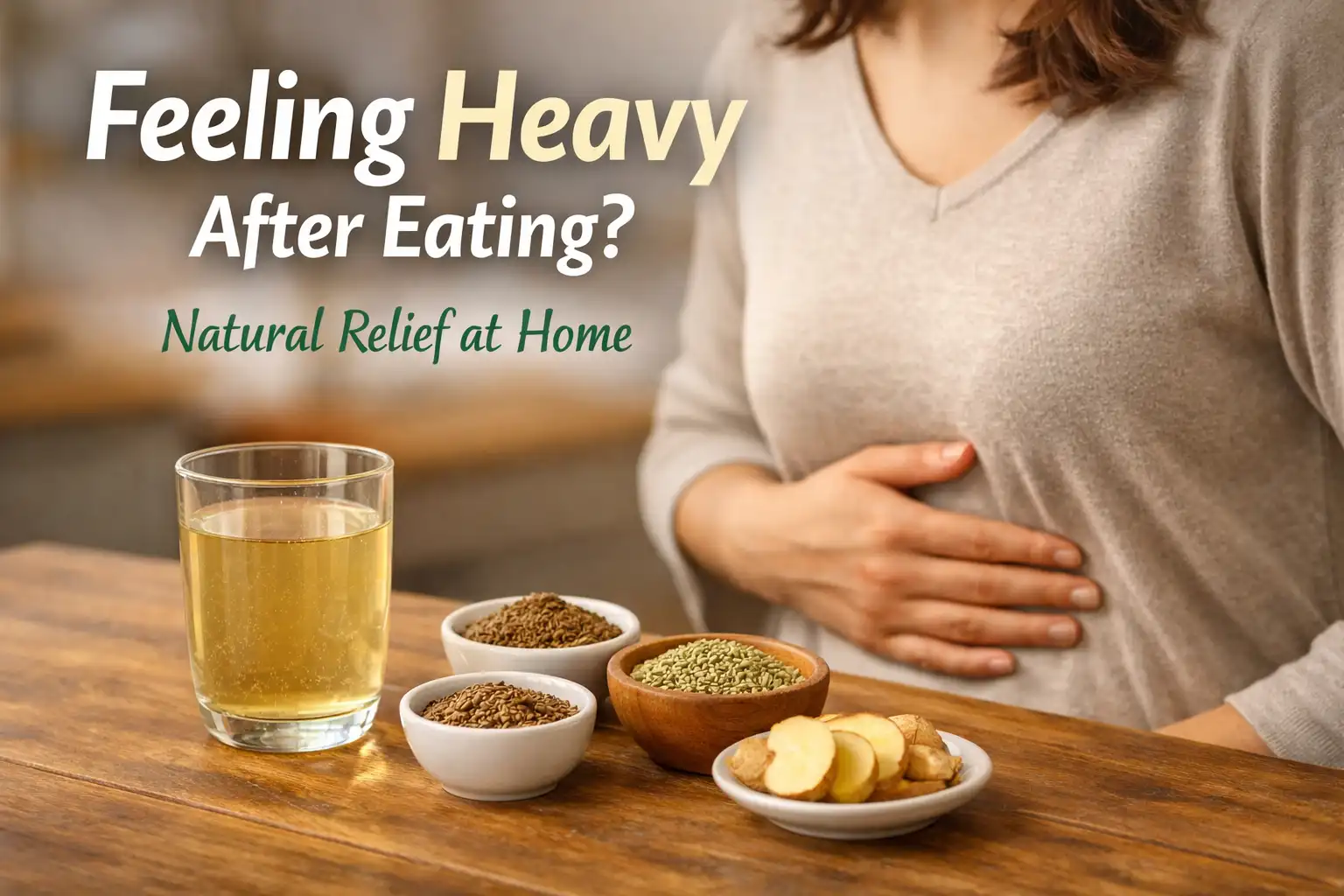
Home Remedies for Feeling Heavy After Eating: Complete Natural Guide for Quick Relief
These home remedies for feeling heavy after eating are simple, natural, and safe for most people.
Have you ever finished a meal and suddenly felt uncomfortable?
Not sharp pain.
Not burning acidity.
Just a heavy, tight, slow feeling in your stomach.
It feels like the food is “sitting” there.
You don’t want to move.
You don’t want to eat more.
Sometimes you even feel sleepy.
This heavy feeling after eating is very common.
It happens after:
- Oily meals
- Rice-heavy lunches
- Festival food
- Late dinners
- Eating too fast
- Overeating
The good news?
In most cases, you can fix it naturally at home.
This complete guide will help you understand:
- Why heaviness happens
- Immediate relief methods
- Best natural drinks
- Long-term digestion improvement
- Foods to avoid
- When to see a doctor
Let’s begin.
Why Do You Feel Heavy After Eating?
Feeling heavy after eating usually happens because digestion slows down.
Your stomach needs to:
- Break food into smaller pieces
- Mix it with digestive juices
- Move it into the small intestine
If the meal is too large or too fatty, this process becomes slower.
How Does Food Cause That “Heavy” Feeling in the Stomach?
When you eat, your stomach begins a process called gastric emptying. This is the movement of food from your stomach into the small intestine. If a meal is very large, high in fat, or eaten too quickly, this process slows down. Fatty foods naturally take longer to digest. They delay stomach emptying, which creates a prolonged full feeling. Gas can also build up when food is not broken down efficiently. This trapped gas creates pressure inside the abdomen, which feels like heaviness or tightness. Stress makes this worse. When you are anxious or distracted while eating, your body shifts away from “rest and digest” mode. This slows digestion further. That’s why light movement, warm fluids, and mindful eating help. They gently stimulate stomach movement and reduce internal pressure.
👉 According to the National Health Service (NHS), indigestion (dyspepsia) commonly causes fullness, bloating, and discomfort after meals.
- Fullness
- Bloating
- Heaviness
- Mild discomfort
Common causes include:
- Overeating
- Eating too quickly
- High-fat foods
- Gas formation
- Stress
- Late-night meals
- Low physical activity
- Acid reflux
Occasional heaviness is normal.
Is Heaviness the Same as Bloating or Acid Reflux?
Heaviness after eating usually feels like food is sitting in the stomach. Bloating often involves visible swelling caused by trapped gas. Acid reflux, on the other hand, causes a burning sensation in the chest due to stomach acid moving upward. While these symptoms can overlap, they are not exactly the same. Persistent reflux symptoms may indicate GERD and should be evaluated by a doctor.
Frequent heaviness means your digestion needs support.
What To Do Immediately After Overeating
If you just ate too much, follow this simple reset plan.
Step 1: Stop Eating
Even if dessert is waiting. Give your stomach time.
Step 2: Sit Upright
Do not lie down.
Lying down increases pressure on your stomach.
The Mayo Clinic recommends staying upright after meals to reduce reflux symptoms.
Step 3: Loosen Tight Clothing
Tight waistbands increase abdominal pressure.
Step 4: Walk for 10 Minutes
Gentle walking helps move food forward in your digestive tract.
Not fast walking. Just light movement.
Step 5: Sip Warm Water
Small sips. Not large gulps.
This alone can reduce heaviness significantly.
15 Powerful Home Remedies for Feeling Heavy After Eating
Now let’s go deeper.
These remedies are simple, safe, and commonly used in Indian households.
1. Jeera (Cumin) Water
Jeera supports digestive enzyme activity.
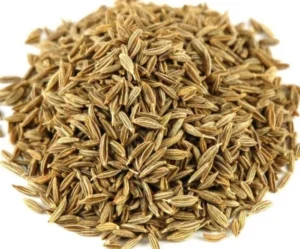
It helps reduce gas and improves food breakdown.
How to prepare:
- Boil 1 teaspoon cumin seeds in 1 cup water
- Simmer 5 minutes
- Strain and drink warm
Many NaturalHealingTips.com readers already use this daily.
👉 You can read more about the full jeera water benefits and how to prepare it properly in our detailed guide.
2. Ajwain (Carom Seeds)
Ajwain works especially well for gas-related heaviness.
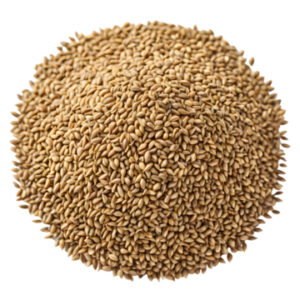
How to use:
- Chew ½ teaspoon ajwain
- Drink warm water
Relief often begins within minutes.
3. Ginger Tea
Ginger stimulates stomach movement.

The World Health Organization recognizes ginger in traditional digestive support practices.
How to prepare:
- Crush fresh ginger
- Boil in water
- Sip slowly
This is one of the best drinks for heaviness after dinner.
4. Fennel Seeds (Saunf)
Fennel relaxes intestinal muscles.
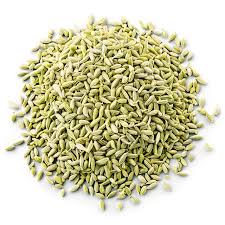
Chew 1 teaspoon after meals.
It reduces bloating and freshens breath too.
5. Warm Lemon Water
A few drops of lemon in warm water can stimulate digestion.
Avoid if you have strong acidity or ulcers.
6. Buttermilk with Roasted Cumin
This traditional remedy supports gut bacteria balance.
Mix:
- 1 cup buttermilk
- Pinch roasted cumin powder
- Pinch black salt
Drink slowly after meals.
7. Peppermint Tea
Peppermint relaxes digestive muscles and may ease bloating.
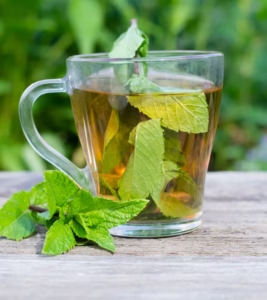
Drink warm, not very hot.
8. Gentle Belly Breathing
Stress slows digestion.
Try:
- Inhale slowly for 4 seconds
- Hold for 4 seconds
- Exhale for 6 seconds
Repeat for 5 minutes.
This activates the “rest and digest” response.
9. Avoid Lying Down for 2–3 Hours
Gravity helps digestion.
Sleeping immediately slows it.
10. Eat Smaller Portions
If you often ask:
“Why do I feel heavy after eating rice or oily food?”
The answer is usually portion size.
Try:
- Smaller plates
- Half portions
- Slow eating
Stop at 80% full.
11. Improve Chewing
Digestion begins in the mouth.
Chew each bite 15–20 times.
This reduces stomach workload.
12. Hydrate Properly
Drink water:
- 30 minutes before meals
- 45–60 minutes after
Avoid drinking too much during heavy meals.
13. Reduce Ultra-Processed Foods
Deep-fried, packaged, and very oily foods slow stomach emptying.
Choose:
- Steamed foods
- Dal
- Light sabzi
- Khichdi
14. Add Fiber Slowly
Fiber supports long-term digestion.
But increase gradually to prevent gas.
15. Improve Sleep Quality
Poor sleep affects digestive hormones.
Late-night scrolling + heavy dinner = heaviness.
👉 Certain natural bedtime drinks can also support digestion. See our guide on best night drinks for better sleep naturally.
Quick Remedy Guide: What Works Best for Different Causes?
Not every remedy works for every cause. The guide below helps you choose the right option based on your symptoms.
| Remedy | Best For | How Fast It Works | Avoid If |
|---|---|---|---|
| Jeera Water | Gas & slow digestion | 15–30 minutes | Very sensitive stomach |
| Ajwain | Gas & bloating | 10–20 minutes | Severe acidity |
| Ginger Tea | Slow stomach emptying | 20–30 minutes | Severe reflux |
| Peppermint Tea | Bloating & tightness | 20–40 minutes | GERD symptoms |
| Walking | Overeating heaviness | Immediate support | Severe stomach pain |
Choosing the right remedy based on the cause makes relief faster and more effective.
Heavy Stomach After Eating: Food-Specific Causes
Rice
Large rice portions digest slowly, especially white rice without fiber.
Oily Food
Fat delays stomach emptying.
This is the most common cause of heaviness after festival meals.
👉 If bloating happens frequently, you may also want to check what to eat when you have gas and bloating for food-based solutions.
Spicy Food
Can irritate the stomach lining in sensitive individuals.
Dairy
Some people have mild lactose intolerance.
How to Improve Digestion Naturally (Long-Term Strategy)
Quick remedies help.
But prevention is smarter.
1. Fix Meal Timings
Eat at consistent times daily.
Your digestive system loves routine.
2. Avoid Late Heavy Dinners
Finish dinner at least 2–3 hours before sleep.
3. Manage Stress
Chronic stress slows gut motility.
The World Health Organization highlights the connection between stress and digestive health.
Simple tools:
- Walking
- Prayer or meditation
- Deep breathing
- Limiting phone use before bed
4. Stay Physically Active
Sedentary lifestyle slows digestion.
Even 20–30 minutes of daily walking helps.
5. Listen to Your Hunger Signals
Eat when hungry.
Stop when satisfied.
Avoid emotional eating.
When Is Feeling Heavy After Eating Serious?
Most cases are harmless.
But consult a doctor if you experience:
- Severe pain
- Persistent vomiting
- Blood in stool
- Unexplained weight loss
- Difficulty swallowing
- Symptoms lasting more than 2–3 weeks
Occasional heaviness is normal.
Frequent, worsening symptoms need medical evaluation.
In some cases, frequent heaviness without clear cause may be related to functional dyspepsia, a condition involving recurring indigestion symptoms.
How to Relieve Heaviness After Meals Naturally
- Walk for 10 minutes
- Drink warm jeera or ginger water
- Avoid lying down
- Eat smaller portions
- Chew fennel seeds
- Practice deep breathing
Frequently Asked Questions
1. Why do I feel heavy after eating even small meals?
It may be slow digestion, stress, or mild indigestion. Eating slowly and reducing oily food helps.
2. What is the best drink for heaviness after dinner?
Ginger tea, jeera water, or peppermint tea are effective natural options.
3. How long does heaviness after eating last?
Usually 30 minutes to 2 hours depending on meal size and digestion speed.
4. Is feeling sleepy after eating normal?
Yes. Blood flow shifts toward digestion, which can cause temporary sleepiness.
5. Can walking immediately after eating help?
Yes. Gentle walking supports stomach movement and reduces bloating.
Medical Disclaimer
This article is for educational purposes only. It is not a substitute for professional medical advice. If symptoms persist or worsen, consult a qualified healthcare provider.
Final Words for NaturalHealingTips.com Readers
Feeling heavy after eating is your body’s signal.
- Not punishment.
- Not weakness.
- Just feedback.
- Slow down.
- Eat mindfully.
- Choose lighter foods.
- Support digestion naturally.
- Small changes create big comfort.
These home remedies for feeling heavy after eating can help you feel lighter and more comfortable without depending on medication.
References
-
National Health Service (NHS). Indigestion (Dyspepsia): Overview, Causes, and Symptoms.
Available at: https://www.nhs.uk/conditions/indigestion/
Accessed February 2026. -
Mayo Clinic. Indigestion – Symptoms and Causes.
Available at: https://www.mayoclinic.org/diseases-conditions/indigestion/
Accessed February 2026. -
World Health Organization (WHO). Traditional, Complementary and Integrative Medicine.
Available at: https://www.who.int/health-topics/traditional-complementary-and-integrative-medicine
Accessed February 2026.