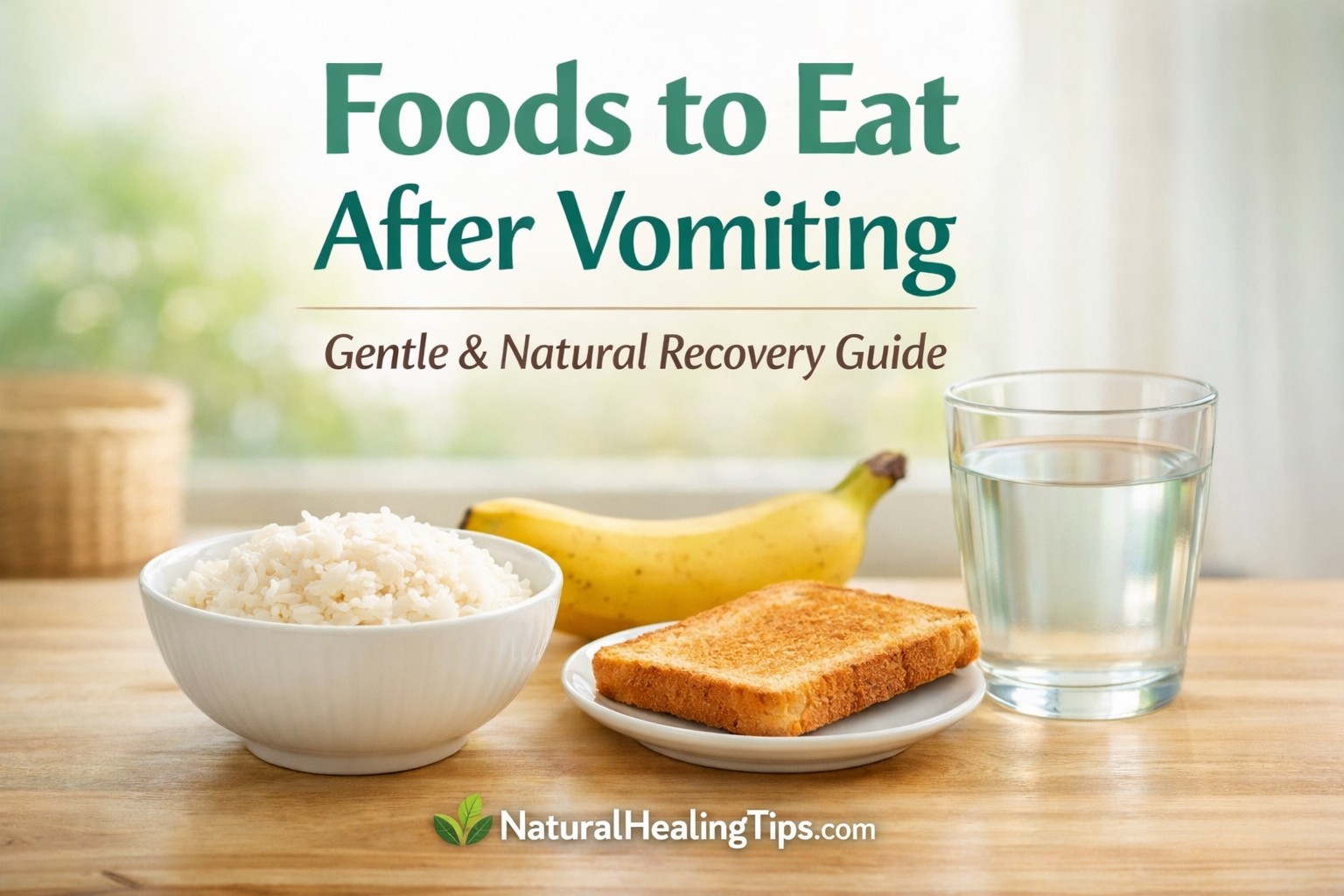
Foods to Eat After Vomiting Naturally: Gentle, Safe Recovery Guide
If you’re looking for foods to eat after vomiting naturally, this complete guide explains what to eat, what to avoid, and how to recover safely at home.
Vomiting is exhausting.
It drains your energy.
It irritates your throat.
It leaves your stomach feeling empty — yet sensitive.
Understanding the right foods to eat after vomiting naturally can prevent further nausea and help your stomach heal faster.
And then comes the big question:
What should I eat after vomiting?
Eat too soon, and nausea may return.
Wait too long, and weakness increases.
This guide will walk you through exactly:
- When to start eating
- What foods to eat after vomiting naturally
- What to avoid
- What to give children
- How to recover safely at home
This article is written especially for NaturalHealingTips.com readers who prefer gentle, natural recovery methods rooted in practical wisdom.
Let’s begin.
Why Eating Properly After Vomiting Matters
After vomiting, your body goes through three main issues:
- Dehydration
- Electrolyte imbalance
- Stomach lining irritation
The stomach lining becomes temporarily inflamed. Digestive enzymes slow down. Acid balance becomes unstable.
That’s why choosing the right foods after vomiting is critical.
👉 According to the Mayo Clinic gradual reintroduction of mild foods is the safest approach for most mild vomiting cases.
Step 1: How Long Should You Wait to Eat After Vomiting?
One of the most searched long-tail questions is:
How long should I wait to eat after vomiting?
General guidance:
- Wait 30–60 minutes
- Avoid solid food immediately
- Start with small sips of clear fluids
If fluids stay down for 1–2 hours, you can introduce soft foods.
If vomiting continues repeatedly, focus only on hydration and consult a doctor.
Step 2: What to Drink After Vomiting (Most Important First Step)
Before food, hydration.
Vomiting removes fluids and electrolytes like sodium and potassium. Replacing them gently prevents weakness and dizziness.
Best Fluids After Vomiting
- Small sips of room-temperature water
- Oral Rehydration Solution (ORS)
- Coconut water (natural electrolytes)
- Rice water
- Clear vegetable broth
- Light ginger-infused water
👉 The World Health Organization emphasizes oral rehydration as the primary treatment for vomiting and diarrhea worldwide.
How to Drink
- Take 1–2 tablespoons every 5–10 minutes
- Do not gulp
- Stop if nausea increases
👉 If your digestion feels slow after recovery, these natural drinks for constipation relief may help restore balance gently.
Step 3: Foods to Eat After Vomiting Naturally
Below are the safest foods to eat after vomiting naturally when your stomach is still sensitive.
Now we move to the most important section.
These foods are:
✔ Easy to digest
✔ Low fat
✔ Mild in flavor
✔ Non-irritating
✔ Nutritionally supportive
1. Plain White Rice
Rice is often the safest first solid food.
Why it works:
- Low fiber
- Absorbs excess stomach acid
- Gentle carbohydrate source
Start with 2–3 tablespoons.
Avoid:
- Fried rice
- Spicy rice
- Ghee or oil initially
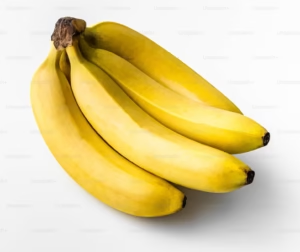
2. Banana (Ripe Only)
Bananas are part of the well-known BRAT diet.
Benefits:
- High in potassium
- Restores lost electrolytes
- Soft texture
- Quick energy source
Choose fully ripe, yellow bananas. Avoid unripe green ones.
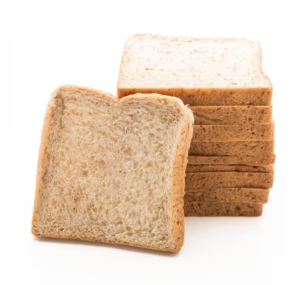
3. Toast (Dry)
Plain toast helps absorb stomach acid and provides easy-to-digest carbohydrates.
Best option:
- White bread toast
- Lightly toasted
- No butter initially
Avoid multigrain or seeded bread at first.
4. Applesauce or Stewed Apple
Cooked apples are much gentler than raw apples.
They contain pectin, which helps normalize digestion.
Make sure it is:
- Unsweetened
- Without spices
5. Boiled Potatoes
Plain boiled potatoes are underrated recovery food.
They provide:
- Energy
- Potassium
- Soft texture
Avoid:
- Mashed with butter
- Fried potatoes
- Spicy potato curry
6. Plain Khichdi (Indian Comfort Option)
For Indian households, this is one of the best foods to eat after vomiting naturally.
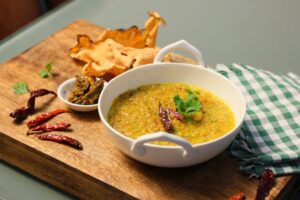
Simple moong dal + rice khichdi:
- Light
- Balanced
- Gentle protein source
- Easy to digest
Use minimal salt. Avoid heavy tempering.
This aligns beautifully with natural healing principles.
7. Thin Oatmeal (Cooked in Water)
Oats provide soluble fiber, which can soothe digestion.
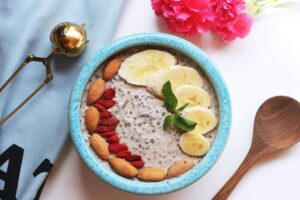
Make it:
- Thin
- Cooked thoroughly
- Without milk initially
Add milk only after full recovery.
8. Curd Rice (After Stabilization)
Only introduce curd after vomiting has fully stopped for 24 hours.
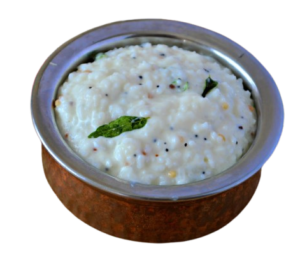
Benefits:
- Supports gut bacteria
- Cooling effect
- Easy digestion
Avoid if:
- Severe diarrhea is present
- Suspected bacterial infection
9. Clear Vegetable Soup
Light soups help reintroduce nutrients gradually.
Best options:
- Carrot soup
- Bottle gourd soup
- Clear moong broth
Avoid creamy soups.
10. Idli (Soft, Plain)
Soft steamed idli can be an excellent recovery food.
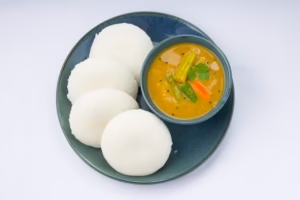
It is:
- Light
- Fermented (good for digestion)
- Low fat
Eat plain without chutney initially.
What NOT to Eat After Vomiting
Even when selecting foods to eat after vomiting naturally, it is equally important to avoid ingredients that can trigger nausea again.
Avoid:
- Spicy foods
- Fried foods
- Heavy curries
- Cheese
- Paneer
- Red meat
- Carbonated drinks
- Coffee
- Alcohol
The National Health Service recommends avoiding fatty and spicy foods until full recovery.
What to Eat After Vomiting and Diarrhea
If you are dealing with both symptoms, choosing the right foods to eat after vomiting naturally becomes even more important to prevent dehydration.
If both are present, the focus becomes:
- Hydration
- Electrolyte balance
- Low-fiber foods
Best choices:
- Rice
- Banana
- ORS
- Boiled potato
- Clear broth
Avoid dairy temporarily.
Dehydration risk is higher in this case.
What to Give a Child After Vomiting Naturally
Children lose fluids quickly.
Start with:
- Small spoonfuls of ORS
- Rice water
- Mashed banana
- Soft khichdi
Offer tiny amounts frequently.
Seek medical care if:
- Vomiting lasts more than 24 hours
- Child is lethargic
- No urination for 6–8 hours
Gentle Natural Tips to Settle the Stomach
Besides food, these natural methods can help:
Ginger
Small amounts of mild ginger tea may reduce nausea.
Evidence supports ginger as a natural anti-nausea remedy.
Rest Upright
Avoid lying flat for at least 30–60 minutes after eating.
Small Frequent Meals
Eat every 2–3 hours in small portions.
Avoid Strong Smells
Strong odors can trigger nausea.
Recovery Timeline: What to Expect
Day 1:
- Fluids only
- Small soft foods
Day 2:
- Add khichdi, toast, oatmeal
Day 3:
- Slowly reintroduce normal diet
Listen to your body.
👉 Proper rest supports healing, and certain night drinks for better sleep can help your body recover faster.
When Vomiting May Signal Something Serious
Seek medical care immediately if you notice:
- Blood in vomit
- High fever
- Severe headache
- Stiff neck
- Persistent abdominal pain
- Vomiting after head injury
This article is for mild, short-term vomiting only.
Why Gentle Nutrition Works
After vomiting, digestion is fragile.
Heavy food increases gastric pressure.
Light carbohydrates stabilize blood sugar and reduce nausea.
Electrolytes restore cellular balance.
This gradual reintroduction strategy is supported by guidance from institutions like the Mayo Clinic.
Featured Snippet Summary
Best foods to eat after vomiting naturally for quick recovery:
- Water or ORS first
- Plain rice
- Banana
- Toast
- Boiled potato
- Khichdi
- Clear soup
Avoid spicy, oily, and dairy foods initially.
Supporting Digestive Health Long-Term
Frequent digestive disturbances may indicate:
- Poor gut health
- Food sensitivity
- Irregular eating habits
- Stress
You may also find these helpful on NaturalHealingTips.com:
- Morning Routine for Better Digestion Naturally
- Natural Drinks for Constipation Relief Overnight
- Best Night Drinks for Better Sleep Naturally
Supporting digestion daily reduces future stomach upsets.
You can strengthen your digestive system long term by following a healthy morning routine for digestion that supports gut balance daily.
Frequently Asked Questions
1. What is the best food to eat immediately after vomiting?
Start with water or ORS. Once stable, plain rice or banana is safest.
2. Can I drink milk after vomiting?
Avoid milk for at least 24 hours as it may irritate the stomach.
3. How long should I wait before eating solid food?
Wait 30–60 minutes and begin with liquids first.
4. Is khichdi good after vomiting?
Yes, plain moong dal khichdi is gentle and easy to digest.
5. When should I see a doctor?
If vomiting lasts more than 48 hours, includes blood, or causes severe dehydration.
Important Disclaimer
This content is for informational purposes only and does not replace professional medical advice. If symptoms are severe, persistent, or accompanied by high fever or dehydration, consult a qualified healthcare professional immediately.