
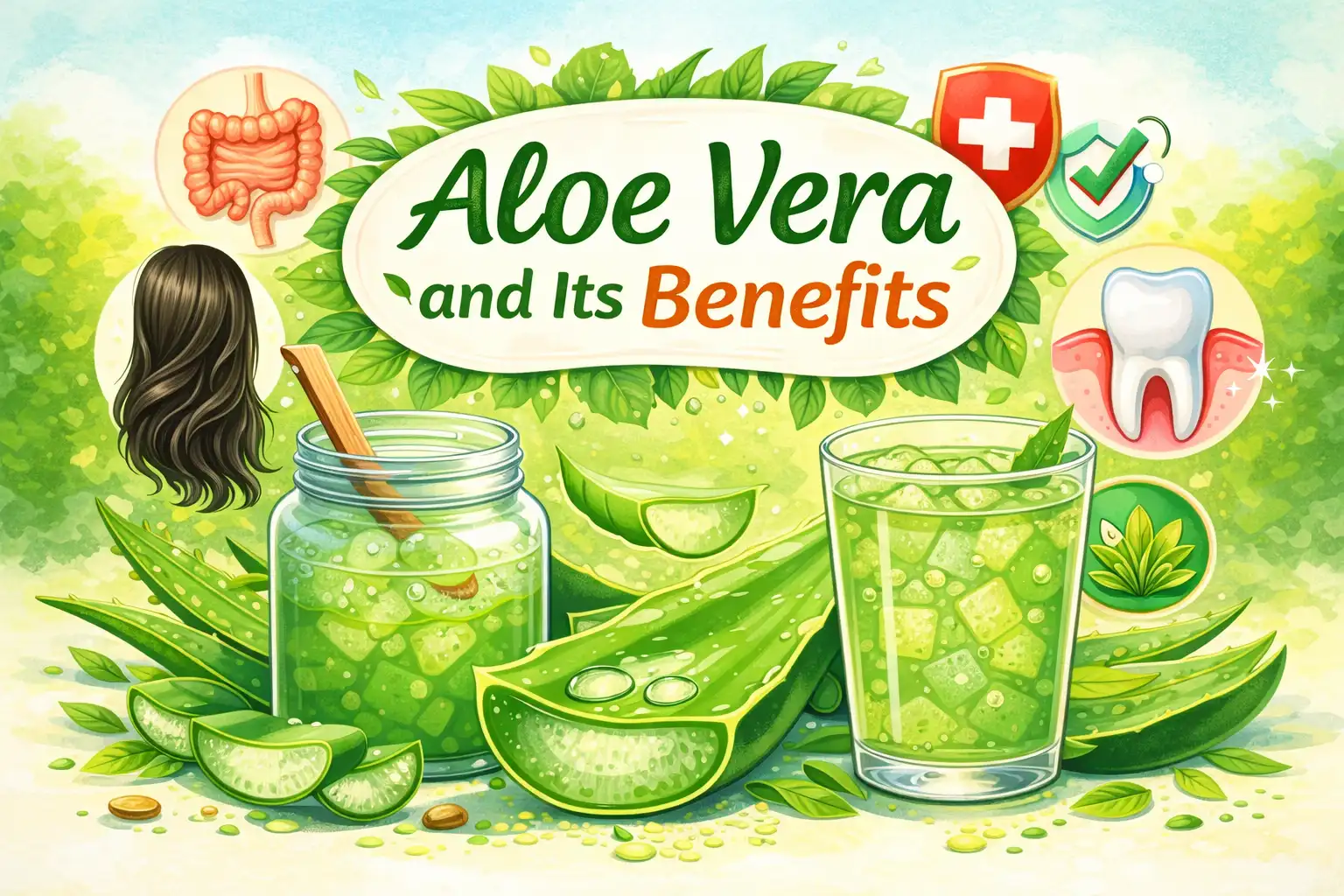
Aloe Vera and Its Benefits: A Complete Natural Healing Guide
Introduction: A Plant That Has Been in Homes for Generations
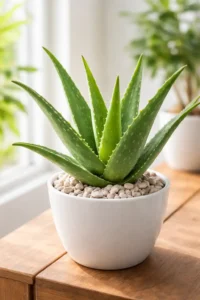
In many households, there is a quiet green plant sitting in a small pot near a window.
It doesn’t demand much attention.
But when someone gets a minor burn, dry skin, or stomach discomfort, someone in the family says:
“Cut a piece of aloe vera.”
Have you ever wondered why this plant has remained popular for centuries?
Why do so many cultures—from ancient Egypt to traditional Indian households—keep aloe vera close by?
Is it just a traditional belief, or does modern science support its benefits?
The truth is that aloe vera is one of the most widely studied medicinal plants in the world, known for its soothing gel and surprising nutritional compounds.
Many people today are curious about aloe vera and its benefits for skin care, digestion, and overall wellness.
Today, researchers and health experts recognize aloe vera for several potential benefits related to skin health, digestion, inflammation, and immune support.
And perhaps the most interesting part?
This humble plant may work through several natural biological mechanisms that support the body’s healing processes.
Is Aloe Vera Use Common Around the World?
Yes—very common.
In fact, aloe vera has been used as a natural remedy for over 2,000 years.
Ancient civilizations such as the Egyptians even referred to it as the “plant of immortality.”
Today it appears in:
- skincare products
- health drinks
- herbal remedies
- digestive supplements
- burn treatments
In many Indian homes, aloe vera is grown in small garden pots and used for simple remedies.
You may have noticed people using it for:
- soothing sunburn
- improving skin hydration
- supporting digestion
- calming minor irritations
Modern research also supports several of these traditional uses.
However, it’s important to understand how aloe vera actually works inside the body.
The Long History of Aloe Vera in Traditional Healing
Aloe vera is not a new discovery.
In fact, this plant has been valued for centuries across multiple cultures.
Ancient Egyptian texts reportedly described aloe vera as the “plant of immortality.” Historical records suggest that Egyptian queens such as Cleopatra used aloe gel as part of their skincare routines.
Greek physicians also used aloe extracts to treat wounds and skin irritation during ancient times.
Even in traditional Chinese medicine, aloe was used for digestive balance and skin health.
In India, aloe vera appears in Ayurvedic texts under the name “Ghritkumari.”
In Ayurvedic practice, the plant is believed to support:
- digestive balance
- skin rejuvenation
- liver health
- women’s wellness
Many Indian households still grow aloe vera in small garden pots or balconies.
It’s one of those plants that quietly stays around for years.
And occasionally, someone in the family remembers its usefulness.
What Makes Aloe Vera So Unique?
When you cut open a fresh aloe vera leaf, you’ll notice a thick, transparent gel inside.
That gel is where most of the beneficial compounds are found.
Researchers have identified more than 75 biologically active substances in aloe vera.
These include:
Vitamins
Aloe vera contains small amounts of several vitamins such as:
- Vitamin A
- Vitamin C
- Vitamin E
- Vitamin B12
- Folate
These vitamins play roles in antioxidant protection and skin health.
Minerals
The plant also contains minerals that support metabolic functions, including:
- calcium
- magnesium
- zinc
- potassium
- selenium
These minerals are important for cellular repair and immune function.
Enzymes
Aloe contains several natural enzymes.
These enzymes may help break down sugars and fats, which is one reason aloe vera has historically been used for digestive comfort.
Amino Acids
Aloe vera provides several amino acids, including some that the body cannot produce on its own.
Amino acids are the building blocks of proteins that support:
- tissue repair
- immune function
- enzyme production
Polysaccharides
One of the most studied components of aloe vera gel is a group of compounds called polysaccharides.
These molecules are responsible for many of aloe’s soothing and moisturizing effects on the skin.
They help the skin retain moisture and support wound healing.
The Science Behind Aloe Vera and Its Benefits
Aloe vera contains more than 75 active compounds, including vitamins, minerals, enzymes, amino acids, and plant antioxidants.
Let’s explore the main mechanisms behind its health effects.
Anti-Inflammatory Effects
One interesting thing researchers have found is that aloe vera contains compounds called polyphenols and enzymes that may help reduce inflammation.
Inflammation is a natural immune response.
But when it becomes excessive, it can contribute to issues such as:
- irritated skin
- digestive discomfort
- joint pain
Aloe vera gel contains natural molecules that may help calm inflammatory signals, especially when applied to the skin.
This is one reason it is often used to soothe:
- sunburn
- minor burns
- skin irritation
👉 Natural anti-inflammatory ingredients like turmeric are also widely used in traditional healing: Turmeric Benefits
Antioxidant Protection
The gel inside aloe vera leaves is rich in antioxidants.
Antioxidants help neutralize molecules called free radicals, which can damage cells over time.
This protective effect may contribute to:
- healthier skin
- better immune balance
- slower skin aging
While aloe vera is not a miracle cure, its antioxidant profile may support overall wellness when used appropriately.
Digestive Support
Many readers tell us they first learned about aloe vera through digestive remedies.
Aloe vera juice has traditionally been used to support:
- gut comfort
- bowel regularity
- digestive balance
Some compounds in aloe vera may help stimulate digestive enzymes and support gut lining health.
However, moderation is important.
Large quantities of aloe latex (the yellow part under the skin) may cause digestive discomfort.
↗ According to the National Center for Complementary and Integrative Health, aloe vera contains compounds studied for skin and digestive support.
Skin Healing and Moisture Support
One of the most widely accepted benefits of aloe vera is its effect on the skin.
The gel contains polysaccharides, which help retain moisture in the skin.
This can support:
- hydration
- skin barrier repair
- wound healing
According to dermatological studies, aloe vera may also help speed the healing of minor burns and cuts.
↗ The Mayo Clinic explains that aloe vera gel is commonly used for soothing burns and skin irritation.
Immune System Interaction
Plants often interact with the immune system in subtle ways.
Aloe vera contains compounds that may help support immune signaling and cellular protection.
These compounds include:
- vitamins A, C, and E
- zinc
- amino acids
While aloe vera should not be considered an immune treatment, it may contribute to overall nutritional support.
Natural Antibacterial Properties
Aloe vera has been traditionally used on the skin partly because of its natural antibacterial compounds.
These properties may help reduce microbial growth on minor wounds or irritated skin.
This is one reason aloe gel is commonly used in:
- skincare creams
- acne treatments
- after-sun products
Gut and Metabolism Balance
Another interesting area researchers are exploring is aloe vera’s potential influence on gut microbiota and metabolism.
Preliminary studies suggest it may help support gut balance and blood sugar regulation when consumed responsibly.
However, more research is still ongoing.
Aloe Vera for Skin Health: Why It Works So Well
Many people first experience aloe vera through skincare.
Understanding aloe vera and its benefits for skin health helps explain why this plant appears in so many natural skincare remedies.
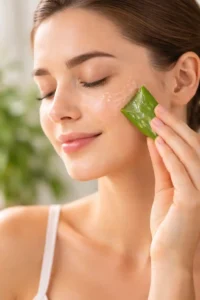
You may have applied aloe gel after a long day in the sun or after mild skin irritation.
The soothing effect can feel almost immediate.
But why does aloe work so well for skin?
👉 Aloe vera is one of many plant remedies used for skincare. You may also explore: Skin Healing Herbs for Clear Glowing Skin
Deep Hydration
Aloe vera gel is composed mostly of water.
👉 Diet also plays an important role in reducting inflammation. You may also explore: Anti-Inflammatory Diet for Natural Healing
But it also contains compounds that help lock moisture into the skin.
This can support:
- dry skin recovery
- smoother texture
- improved elasticity
Unlike heavy creams, aloe gel is lightweight and absorbs quickly.
Supporting Minor Wound Healing
Several dermatological studies have examined aloe vera’s potential role in wound healing.
Some findings suggest that aloe may help stimulate fibroblast activity, which is involved in tissue repair.
This may explain why aloe gel has traditionally been used for:
- small cuts
- mild burns
- skin irritation
Sunburn Relief
Spending too much time in the sun can lead to inflammation and redness.
Aloe gel provides a cooling effect that may help soothe the skin.
The hydration and anti-inflammatory compounds in aloe may help calm irritated tissue.
However, aloe should not replace proper sun protection.
Sunscreen and protective clothing remain essential.
Skin Aging and Elasticity
Antioxidants in aloe vera may help protect the skin from oxidative stress.
Oxidative stress is one of the factors associated with skin aging.
Some small studies suggest aloe may help improve skin elasticity when used regularly.
Still, results vary and aloe should be seen as supportive care rather than a cosmetic miracle.
Aloe Vera and Digestive Health
Digestive discomfort is surprisingly common.
One reason people explore aloe vera and its benefits is its traditional use in digestive health remedies.

Many readers tell us they experience occasional issues like:
- bloating
- heaviness after meals
- irregular digestion
Traditional herbal practices have long used aloe vera as a digestive aid.
But what might be happening inside the body?
👉 Digestive discomfort can also be improved through herbal remedies. Read: Natural Remedies for Digestive Problems
Supporting the Gut Lining
The digestive tract has a delicate lining that protects tissues from irritation.
Some researchers believe aloe polysaccharides may help support this protective layer.
This may contribute to aloe’s traditional use in calming digestive discomfort.
Supporting Digestive Enzymes
Aloe contains enzymes such as:
- amylase
- lipase
These enzymes help break down carbohydrates and fats.
While aloe should not replace digestive enzymes from food, it may offer mild support.
Hydration and Bowel Regularity
Proper hydration plays an important role in digestion.
Aloe gel contains a large amount of water and may contribute to hydration when consumed responsibly.
However, aloe latex (the yellow layer beneath the skin) can act as a strong laxative and should be avoided unless under medical supervision.
Aloe Vera in Ayurveda
In Ayurvedic traditions, aloe vera is associated with cooling properties.
It is often recommended in small amounts to help balance Pitta dosha, which is linked to heat and inflammation.
Traditional uses include:
- skin health remedies
- digestive tonics
- women’s wellness preparations
In many Indian kitchens, aloe gel is occasionally blended with honey or herbal ingredients.
However, Ayurvedic practitioners typically emphasize moderation and individualized use.
Who Should Be Careful With Aloe Vera?
Although aloe vera is generally safe for topical use, some people should exercise caution.
Consult a healthcare professional if you:
- are pregnant
- are breastfeeding
- have kidney disease
- take certain medications
- have digestive disorders
Some individuals may also experience allergic reactions when using aloe on the skin.
Always test a small amount first.
When Should You Be Cautious With Aloe Vera?
Although aloe vera is generally considered safe when used properly, it is important to use it wisely.
Health organizations such as the:
↗ World Health Organization (WHO)
↗ National Health Service (NHS)
↗ Mayo Clinic
advise caution with herbal remedies when used internally.
You should consult a healthcare professional if:
- you are pregnant
- you are taking medications
- you have digestive disorders
- you have kidney problems
Excessive intake of aloe latex may cause:
- diarrhea
- abdominal cramps
- electrolyte imbalance
For most people, topical aloe vera gel is the safest and most common form of use.
↗ The World Health Organization notes that herbal medicines have been used globally for centuries in traditional healthcare systems.
Additional Natural Ways to Use Aloe Vera
Beyond the most common uses, aloe vera appears in several natural wellness practices.
Here are a few additional ways people use it.
Aloe Vera Foot Soothing Gel
Dry or tired feet can benefit from aloe gel mixed with a few drops of coconut oil.
This combination may help hydrate rough skin.
Aloe Vera Cooling Summer Drink
During hot weather, some households prepare a simple aloe drink:
Ingredients
- aloe gel (small amount)
- lemon juice
- honey
- chilled water
Blend lightly and consume occasionally.
Always ensure the latex portion of the leaf is removed.
Aloe Vera Hair Mask

A simple natural hair mask:
- 2 tablespoons aloe gel
- 1 tablespoon coconut oil
- few drops castor oil
Apply to scalp and hair for 20 minutes before washing.
This may help improve scalp hydration.
Aloe Vera for After-Shaving Care
Aloe gel can be used as a soothing after-shave treatment.
It may help calm skin irritation and reduce redness.
Growing Aloe Vera at Home
One of the best things about aloe vera is how easy it is to grow.
Even people with little gardening experience can keep this plant alive.
Aloe plants prefer:
- warm temperatures
- indirect sunlight
- well-drained soil
They require minimal watering.
In fact, overwatering is the most common mistake.
Having a small aloe plant at home ensures access to fresh gel whenever needed.
How to Harvest Aloe Vera Safely
If you are using aloe from a home plant, proper preparation is important.
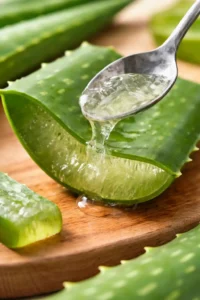
Steps:
- Cut a mature outer leaf.
- Wash the leaf thoroughly.
- Allow the yellow latex to drain.
- Slice open the leaf.
- Scoop out the clear gel.
Avoid consuming the yellow latex layer, as it may cause digestive discomfort.
Practical Natural Ways to Use Aloe Vera
One reason aloe vera remains popular is that it is easy to incorporate into daily life.
Below are practical and safe ways people often use it.
Learning about aloe vera and its benefits becomes even more useful when you know how to use this plant in everyday routines.
1. Aloe Vera for Skin Hydration
Fresh aloe gel can be gently applied to the skin.
Many people use it for:
- dry skin
- sun exposure
- mild irritation
It absorbs quickly and leaves a light cooling effect.
2. Aloe Vera Face Mask
In many natural skincare routines, aloe gel is combined with simple ingredients.
Example mask:
- 1 tablespoon aloe gel
- 1 teaspoon honey
- few drops of rose water
Apply for 10–15 minutes before rinsing.
3. Aloe Vera for Minor Burns
Aloe gel is commonly used to soothe:
- sunburn
- kitchen burns
- mild skin redness
It helps cool the skin and maintain moisture.
4. Aloe Vera for Digestive Comfort
Some people consume small amounts of aloe vera juice.
This may help support digestion when used occasionally.
However, always choose purified aloe products without latex.
5. Aloe Vera for Hair and Scalp
In traditional Indian hair care, aloe gel is sometimes applied to the scalp.
It may help:
- soothe scalp irritation
- hydrate hair
- reduce dryness
Many natural hair masks include aloe gel with coconut oil.
6. Aloe Vera in Smoothies
A small amount of aloe gel can be blended into smoothies with:
- cucumber
- lemon
- mint
- coconut water
This creates a refreshing drink, especially during summer.
7. Aloe Vera as After-Sun Care
Aloe vera is one of the most common natural after-sun remedies.
It helps cool overheated skin and restore moisture.
8. Aloe Vera for Minor Skin Irritations
Some people apply aloe gel for:
- insect bites
- mild rashes
- itching
Its soothing properties may provide temporary relief.
👉 Many natural wellness routines also include herbal drinks. Learn more here: Herbal Tea Recipes
Try This Simple 3-Day Aloe Vera Experiment
If you’re curious about natural wellness practices, try a simple routine.
For three days:
Morning
• Drink a glass of warm water with lemon.
Afternoon
• Apply fresh aloe gel to your skin after washing your face.
Evening
• Eat a meal rich in vegetables and hydration.
Observe how your body responds.
Many people notice improved skin hydration and digestive comfort.
Small experiments like this help us understand how natural habits influence wellbeing.
Quick Summary: What Are the Key Benefits of Aloe Vera?
Aloe vera is widely used in natural health practices because it contains plant compounds that support skin healing, digestion, and overall wellness.
Aloe vera and its benefits have been recognized in traditional medicine and modern research for supporting skin health, digestion, and natural healing.
- skin hydration and healing
- soothing sunburn and irritation
- antioxidant protection
- digestive comfort
- natural antibacterial activity
- scalp and hair hydration
- minor wound healing
- skin barrier repair
Its benefits come mainly from plant antioxidants, enzymes, and polysaccharides found in the gel.
Frequently Asked Questions
Is aloe vera good for health?
Yes, aloe vera contains antioxidants and plant compounds that may support skin health, digestion, and minor wound healing.
How often can aloe vera be used?
Topical aloe vera gel can usually be used daily.
Internal consumption should be limited and used cautiously.
Are there any side effects?
Excessive consumption of aloe latex may cause digestive discomfort, diarrhea, or cramps.
What is the best way to use aloe vera?
The safest method is using fresh aloe gel on the skin or using purified aloe products.
Who should avoid aloe vera?
Pregnant individuals, people with kidney issues, or those taking medications should consult a healthcare professional before using aloe internally
Gentle Health Disclaimer
This article is for educational purposes only and should not replace professional medical advice. Always consult a qualified healthcare provider before using herbal remedies or supplements.
Aloe Vera in Modern Wellness Products
Today aloe vera is widely used in:
- moisturizers
- sunscreens
- shampoos
- herbal drinks
- cosmetic products
Its popularity continues because it is gentle, plant-based, and widely available.
However, product quality varies.
Look for products with high aloe concentration and minimal additives.
Final Thoughts
Sometimes the most fascinating health discoveries come from plants that have been quietly growing around us for centuries.
Aloe vera is a good example.
It isn’t a miracle cure, and it shouldn’t replace medical care.
But when used thoughtfully, this simple plant may support skin health, comfort, and everyday wellness in gentle ways.
Natural health rarely works overnight.
Instead, it works through small consistent habits—hydrating well, eating nourishing foods, getting enough rest, and occasionally turning to time-tested natural remedies like aloe vera.
And sometimes, that small green plant by the window really does deserve its place in the home.
When people explore aloe vera and its benefits, they often discover that this simple plant offers gentle support for everyday wellness.






2 thoughts on “Aloe vera and its benefits”