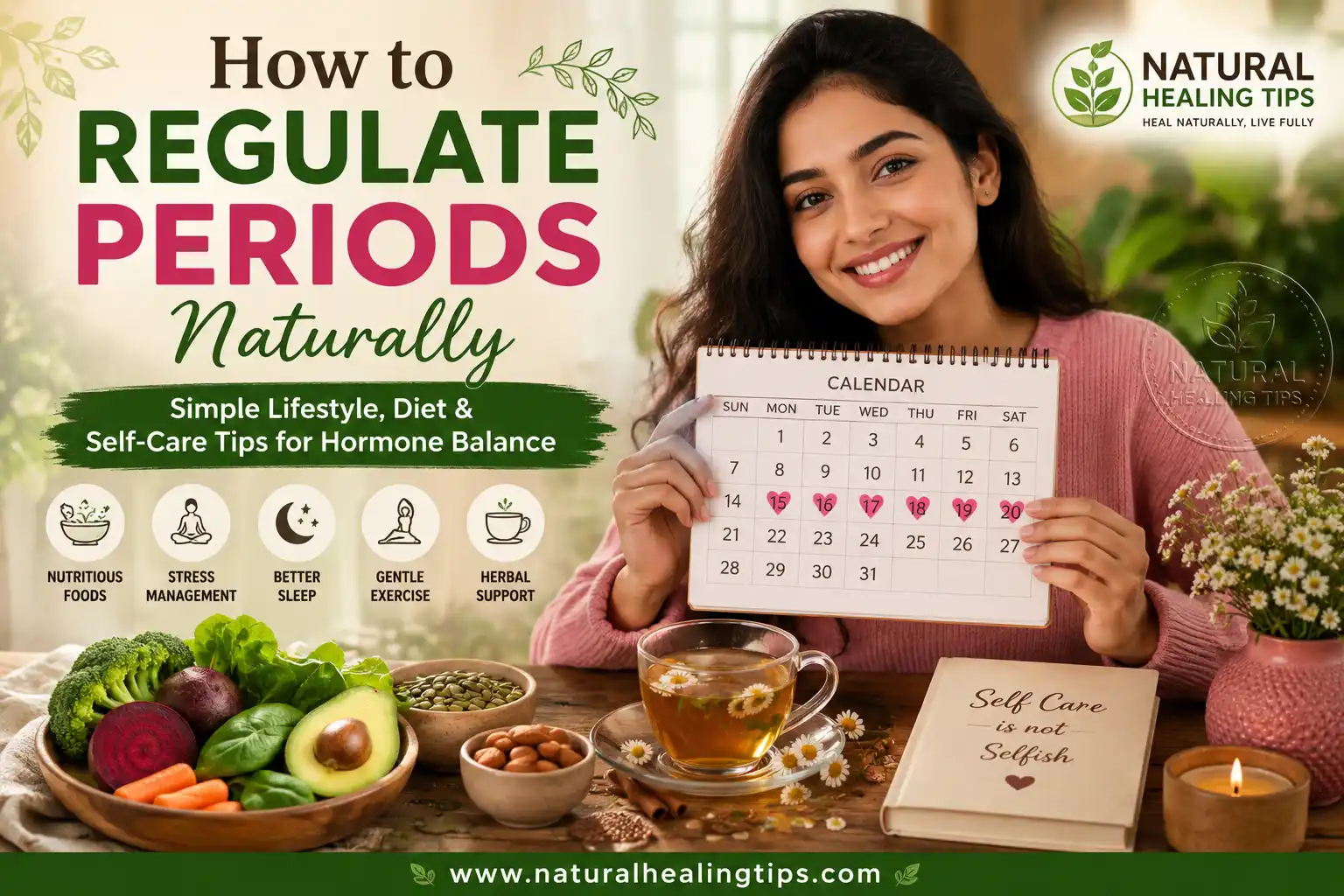
How to Regulate Periods Naturally: Science-Backed Ways to Support a Healthy Menstrual Cycle
Missing periods, delayed cycles, or unpredictable menstruation can feel frustrating, confusing, and emotionally draining. One month your cycle arrives early, the next month it disappears for weeks. Many people silently wonder whether stress, diet, hormones, or lifestyle habits are affecting their menstrual health.
The good news is that in many cases, small daily changes can help support hormonal balance and improve cycle regularity naturally.
Many people search for safe ways to understand how to regulate periods naturally without depending entirely on temporary quick fixes.
You may notice improvements faster than expected once your body starts receiving the nutrients, sleep, movement, and stress support it truly needs.
And surprisingly, many people ignore simple habits that quietly disrupt hormone balance every single day.
You’re Not Alone in This
Irregular periods are more common than most people think.
Understanding how to regulate periods naturally often starts with identifying the hidden lifestyle habits that affect hormones daily.
According to health organizations such as the Mayo Clinic and NHS, menstrual cycle changes can happen due to stress, weight fluctuations, poor sleep, excessive exercise, hormonal imbalances, thyroid issues, or conditions like PCOS.
For some people, occasional irregularity is temporary. For others, it may continue for months and affect mood, energy levels, fertility, skin health, or overall wellbeing.
Many readers tell us they only realized how strongly lifestyle affects hormones after improving sleep, eating patterns, and stress levels.
Sometimes the body sends subtle warning signs long before periods become irregular.
What Is Considered an Irregular Period?
A menstrual cycle is usually considered regular if it occurs every 21–35 days.
Periods may be considered irregular when:
- Cycles constantly change length
- Periods stop unexpectedly
- Bleeding becomes unusually heavy or very light
- You skip several months
- Bleeding occurs between periods
- Severe cramps suddenly appear
Quick Answer
Irregular periods happen when hormonal communication between the brain, ovaries, thyroid, adrenal glands, and reproductive system becomes disrupted. Stress, nutrient deficiencies, poor sleep, PCOS, excessive exercise, or sudden weight changes are among the most common causes.
↗ Medical experts at the Mayo Clinic explain that menstrual cycle irregularities can occur due to stress, hormonal changes, thyroid issues, PCOS, or lifestyle factors.
Here’s What’s Really Happening Inside Your Body
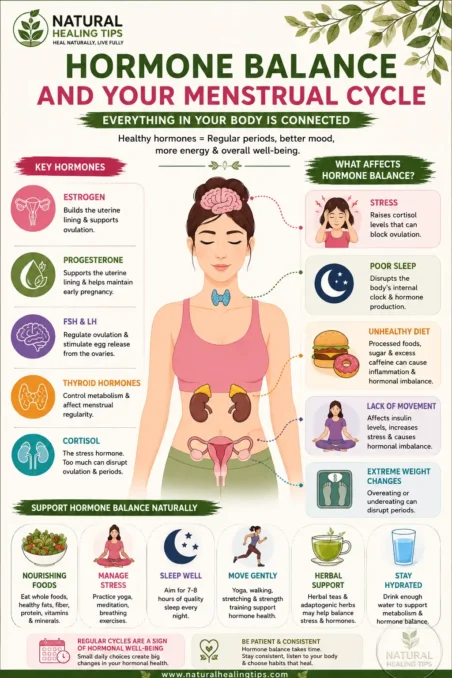
To understand how to regulate periods naturally, it helps to first understand how hormones communicate with the brain, ovaries, thyroid, and adrenal glands.
Your menstrual cycle depends on a delicate hormonal conversation between:
- The brain
- Pituitary gland
- Ovaries
- Thyroid gland
- Adrenal glands
Hormones such as estrogen, progesterone, luteinizing hormone (LH), follicle-stimulating hormone (FSH), cortisol, and insulin all influence cycle timing.
When stress levels rise, the body produces more cortisol. High cortisol can interfere with reproductive hormones and delay ovulation.
Poor sleep may also reduce melatonin balance, which indirectly affects reproductive hormone rhythms.
In some cases, insulin resistance — commonly associated with PCOS — may increase androgen levels and disrupt ovulation.
This is why menstrual health is deeply connected to:
- metabolism
- sleep quality
- emotional wellbeing
- nutrition
- gut health
- inflammation
One interesting thing researchers found is that chronic stress and circadian rhythm disruption can significantly affect ovulation timing.
That means your late-night scrolling habits may be affecting more than just your sleep.
👉 Hormonal imbalance often develops gradually through stress, poor sleep, inflammation, and lifestyle habits: Natural Ways to Balance Hormones Females
How Chronic Stress Can Delay Your Period
Stress does far more than affect mood.
It can directly influence ovulation.
Stress management is one of the most overlooked factors when people research how to regulate periods naturally.
When the brain senses prolonged stress, the body increases cortisol production through the adrenal glands. High cortisol levels may interfere with the hormonal communication needed for ovulation.
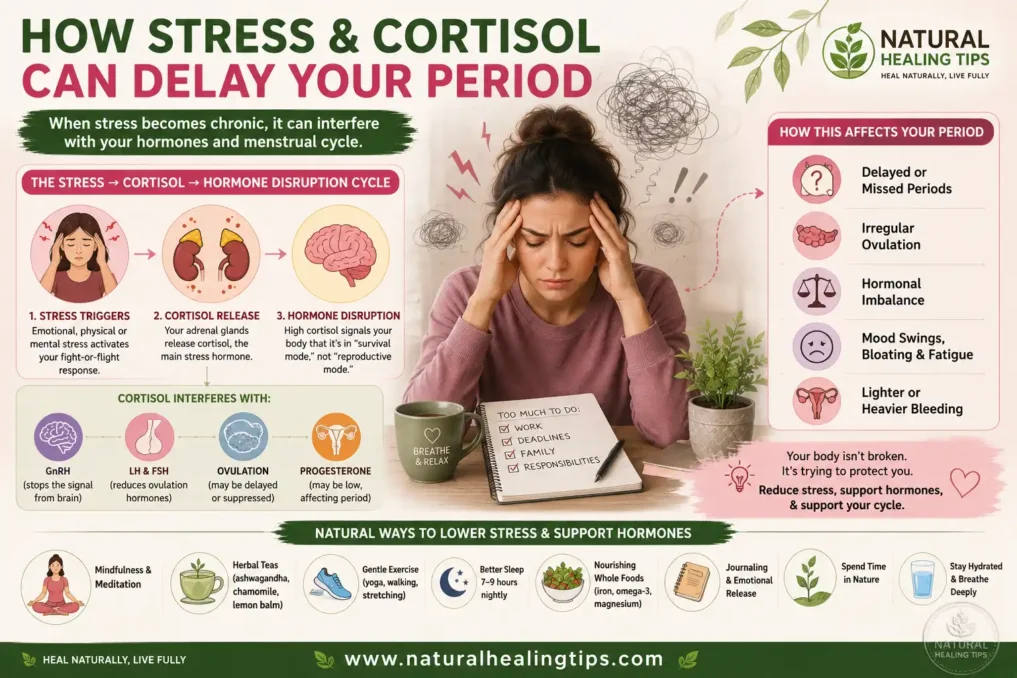
Without regular ovulation, periods can become:
- delayed
- lighter
- skipped
- unpredictable
This connection involves the hypothalamus — an important brain region that helps regulate reproductive hormones.
↗ Research supported by the National Institutes of Health (NIH) suggests that chronic stress and elevated cortisol levels can interfere with reproductive hormone signaling and ovulation.
Common Modern Stress Triggers
- emotional burnout
- financial stress
- relationship anxiety
- excessive workload
- poor sleep
- constant screen exposure
Many people underestimate how strongly emotional exhaustion affects physical health.
Sometimes the body slows reproductive functions simply because it feels overwhelmed.
Signs Stress May Be Affecting Your Cycle
- delayed periods during stressful months
- worsening PMS symptoms
- sleep issues
- headaches
- fatigue
- emotional irritability
Reducing stress does not always create immediate changes, but consistent nervous system support can gradually improve hormonal rhythm.
Common Causes of Irregular Periods
Many people trying to learn how to regulate periods naturally are surprised to discover how strongly stress, sleep, and diet affect ovulation.
1. Chronic Stress
Stress is one of the biggest hidden disruptors of hormonal balance.
Mental stress signals the body that survival is the priority — not reproduction. This can suppress ovulation and delay periods.
Modern lifestyle triggers include:
- work pressure
- emotional stress
- financial anxiety
- lack of rest
- excessive screen exposure
2. Poor Diet
Low nutrient intake can interfere with hormone production.
The body needs:
- healthy fats
- iron
- zinc
- magnesium
- B vitamins
- protein
Crash dieting or highly processed foods may worsen irregular cycles.
3. PCOS
Polycystic Ovary Syndrome is one of the most common causes of irregular periods.
Symptoms may include:
- acne
- weight gain
- excess facial hair
- skipped periods
- insulin resistance
↗ The NHS notes that lifestyle habits such as healthy eating, exercise, and weight management may help improve PCOS-related symptoms and menstrual irregularity.
4. Thyroid Imbalance
The thyroid strongly influences metabolism and reproductive hormones.
Both hypothyroidism and hyperthyroidism may affect menstrual regularity.
5. Over-Exercising
Excessive workouts combined with inadequate calorie intake may stop ovulation temporarily.
This is common among athletes or people following intense fitness routines.
6. Sudden Weight Changes
Rapid weight gain or weight loss can affect estrogen levels and disrupt menstrual cycles.
7. Signs Your Hormones May Be Out of Balance
You may notice:
- fatigue
- mood swings
- acne
- bloating
- hair thinning
- headaches
- sleep issues
- cravings
- painful cramps
- low energy
Sometimes these symptoms appear months before periods become irregular.
Your body often whispers before it starts shouting.
↗ According to the Cleveland Clinic, symptoms such as fatigue, acne, mood swings, sleep disturbances, and irregular periods may sometimes indicate hormonal imbalance.
Nutrients That Help Regulate Periods Naturally
Many people focus only on hormones when trying to regulate periods naturally, but nutrients quietly play an equally important role behind the scenes.
Nutritional deficiencies may quietly interfere with the body’s ability to regulate hormones properly, making it harder to understand how to regulate periods naturally.
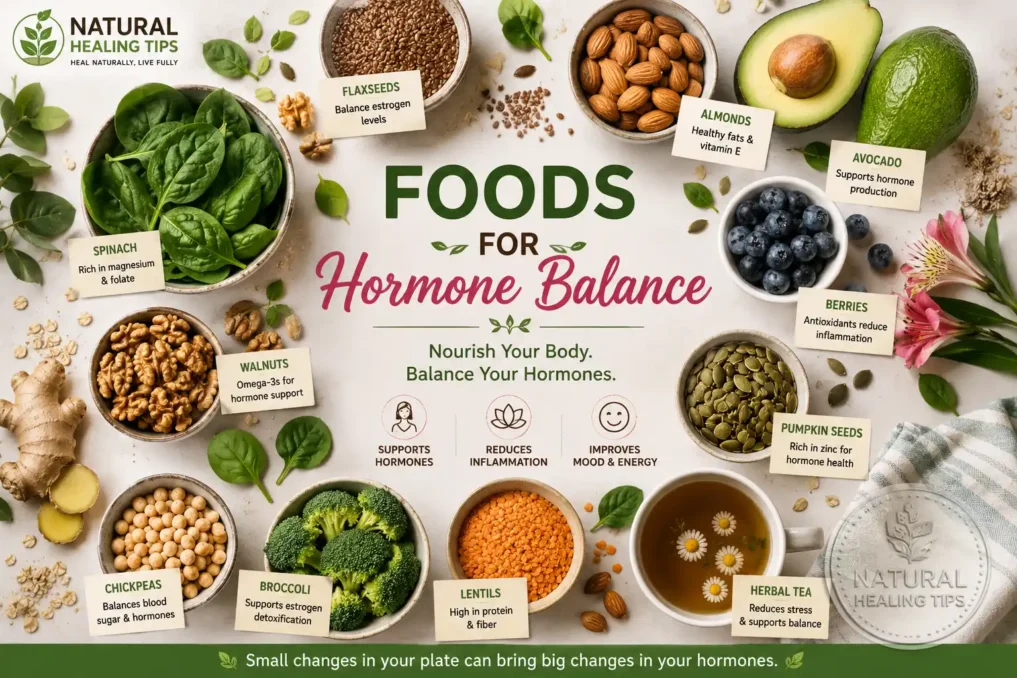
Your body needs specific vitamins and minerals to produce hormones, support ovulation, reduce inflammation, and maintain healthy reproductive function. Even mild deficiencies can sometimes affect menstrual regularity over time.
Magnesium
Magnesium helps regulate the nervous system and may support stress reduction, sleep quality, and muscle relaxation.
Low magnesium levels are sometimes linked with:
- increased stress response
- sleep disturbances
- PMS symptoms
- muscle cramps
Foods Rich in Magnesium
- pumpkin seeds
- spinach
- almonds
- cashews
- dark chocolate
- lentils
How It May Help
When stress hormones remain elevated for long periods, reproductive hormones can become disrupted. Magnesium may indirectly support cycle balance by helping the body manage stress more efficiently.
Vitamin D
Vitamin D acts more like a hormone than a traditional vitamin.
Researchers have increasingly explored its connection to:
- ovulation
- insulin sensitivity
- PCOS
- reproductive health
Low vitamin D levels are surprisingly common among people with irregular periods, especially those with limited sunlight exposure.
Natural Sources
- sunlight exposure
- egg yolks
- fortified dairy
- fatty fish
Important Note
Supplementation should ideally be guided by blood testing and professional advice.
Iron
Heavy or irregular bleeding may contribute to low iron levels, leading to:
- fatigue
- weakness
- dizziness
- low energy
Iron also supports oxygen transport throughout the body, which influences overall health and energy balance.
Helpful Iron-Rich Foods
- beetroot
- spinach
- jaggery
- sesame seeds
- dates
- lentils
In many traditional Indian kitchens, iron-rich foods are often combined with vitamin C-rich ingredients like lemon to improve absorption.
Omega-3 Fatty Acids
Omega-3 fats may help support:
- inflammation balance
- hormone production
- mood regulation
These healthy fats are commonly found in:
- walnuts
- flaxseeds
- chia seeds
- fatty fish
Some people also notice improvements in menstrual discomfort after consistently increasing omega-3 intake.
Zinc and B Vitamins
Zinc supports immune health and hormone-related processes, while B vitamins help with energy metabolism and nervous system function.
Foods That Naturally Contain Them
- nuts
- seeds
- eggs
- legumes
- whole grains
Rather than relying immediately on multiple supplements, focusing on a nutrient-dense diet is often a more sustainable long-term strategy.
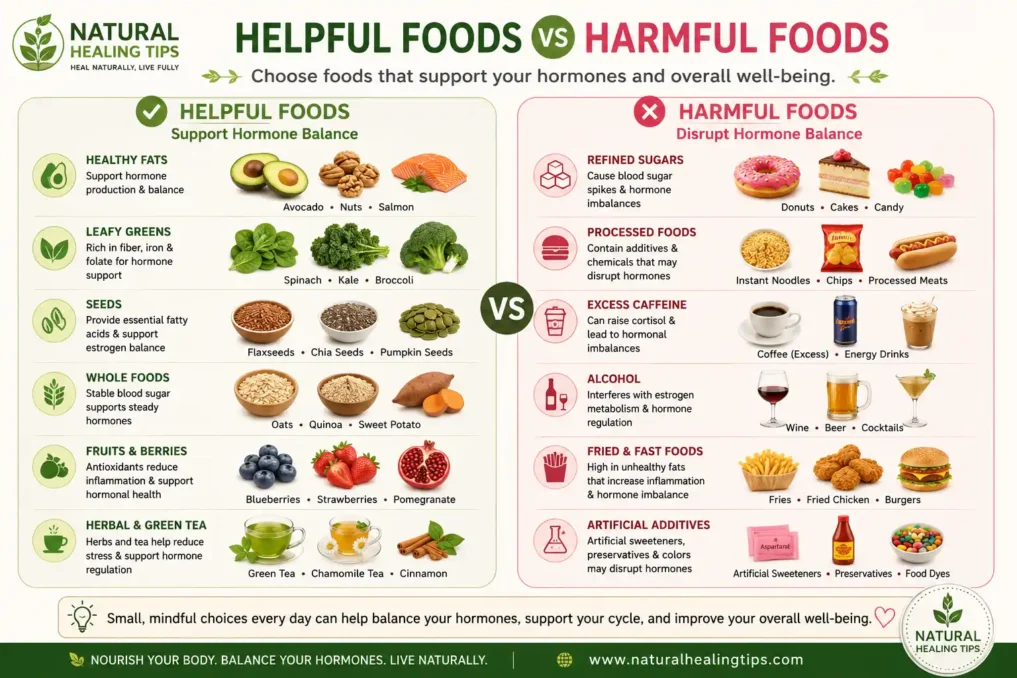
Helpful Foods vs Foods That May Trigger Hormonal Imbalance
Reducing inflammatory foods can become an important part of learning how to regulate periods naturally over the long term.
| Helpful Foods | Foods That May Worsen Irregular Periods |
|---|---|
| Leafy greens | Sugary drinks |
| Nuts and seeds | Ultra-processed snacks |
| Lentils and beans | Excess refined sugar |
| Fruits | Excess alcohol |
| Whole grains | Deep-fried foods |
| Healthy fats | Excess caffeine |
| Yogurt | Highly processed meats |
Foods That May Worsen Hormonal Imbalance
Some foods quietly increase inflammation, blood sugar fluctuations, or stress hormone activity, which may indirectly affect menstrual regularity.
This does not mean you need a perfect diet.
But consistently consuming highly processed foods may place extra strain on hormone balance over time.
Excess Refined Sugar
Frequent sugar spikes may increase insulin fluctuations, especially in people with insulin resistance or PCOS.
This can influence:
- androgen levels
- ovulation patterns
- inflammation
Common Sources
- sugary drinks
- packaged desserts
- sweetened cereals
- processed snacks
Ultra-Processed Foods
Highly processed foods often contain:
- excess sodium
- unhealthy fats
- additives
- artificial ingredients
These foods may contribute to chronic inflammation and metabolic imbalance.
Excess Caffeine
Moderate caffeine is usually tolerated well by many people, but excessive intake may:
- worsen anxiety
- affect sleep
- increase stress hormones in sensitive individuals
Poor sleep and stress together can influence reproductive hormone rhythms.
Alcohol
Frequent alcohol consumption may affect:
- liver function
- estrogen metabolism
- sleep quality
Since the liver helps process hormones, long-term imbalance may indirectly affect menstrual cycles.
Crash Dieting
One of the biggest hidden triggers of irregular periods is under-eating.
When calorie intake drops too low, the body may suppress ovulation to conserve energy.
This is especially common during:
- extreme weight-loss programs
- restrictive diets
- over-exercising combined with low calorie intake
Sometimes the body interprets severe restriction as a stressful survival state.
The Good News Is—Small Changes Can Make a Noticeable Difference
1. Improve Sleep Quality
Sleep directly affects hormonal signaling.
Aim for:
- 7–9 hours of sleep
- consistent sleep timing
- reduced screen exposure before bed
Melatonin and cortisol rhythms influence reproductive hormone balance.
👉 Sleep quality strongly influences cortisol and reproductive hormones: Natural Sleep Remedies
How to Practice
- Sleep at the same time daily
- Avoid scrolling 1 hour before bed
- Keep the room cool and dark
Expected Results
Some people notice cycle improvements within 1–3 months.
2. Eat More Iron-Rich Foods
Iron deficiency may worsen fatigue and menstrual health.
Helpful foods include:
- spinach
- beetroot
- sesame seeds
- lentils
- dates
In many Indian households, jaggery and sesame laddus are traditionally consumed to support women’s health.
Precaution
People with iron overload conditions should consult a healthcare professional.
3. Reduce Excess Sugar
High sugar intake may increase inflammation and worsen insulin resistance.
This is especially important for people with PCOS.
Better Alternatives
- fruits
- nuts
- homemade smoothies
- yogurt with seeds
4. Manage Stress Naturally
Stress reduction is one of the most underestimated menstrual health strategies.
Helpful practices:
- meditation
- journaling
- yoga
- breathing exercises
- spending time outdoors
Even 10 minutes daily can help regulate the nervous system.
Many readers notice emotional calmness before they notice physical changes.
That’s often a positive sign.
👉 Simple nervous-system calming exercises may help reduce stress-related hormonal disruption: Breathing Techniques for Stress & Panic Relief
5. Maintain a Healthy Weight
Both underweight and overweight conditions can affect estrogen balance.
Focus on:
- balanced meals
- sustainable exercise
- proper hydration
- strength training
- adequate protein
Avoid extreme dieting trends.
6. Drink Herbal Teas
Some herbal teas may support relaxation and hormonal wellness.
Popular options include:
- ginger tea
- cinnamon tea
- spearmint tea
- chamomile tea
Why They May Help
Some herbs contain anti-inflammatory or calming compounds that may support hormonal regulation indirectly.
Important Precaution
Herbal remedies are not suitable for everyone, especially during pregnancy or with certain medications.
7. Exercise Consistently — But Gently
Moderate movement improves:
- blood circulation
- insulin sensitivity
- stress regulation
Helpful activities:
- walking
- yoga
- cycling
- swimming
- stretching
Avoid
Excessive high-intensity exercise without proper nutrition.
8. Increase Healthy Fat Intake
Hormones require healthy fats for production.
Include:
- avocados
- nuts
- seeds
- olive oil
- fatty fish
Omega-3 fatty acids may help reduce inflammation.
9. Support Gut Health
Gut bacteria influence estrogen metabolism.
Helpful foods:
- yogurt
- kefir
- fermented foods
- fiber-rich vegetables
Poor gut health may affect hormone recycling and inflammation levels.
10. Track Your Menstrual Cycle
Tracking helps identify:
- patterns
- triggers
- ovulation timing
- symptom changes
Helpful tracking details:
- stress levels
- sleep quality
- cramps
- food habits
- mood changes
Sometimes the pattern becomes obvious only after several months of tracking.
Healthy Habits vs Hormone-Disrupting Habits
| Helpful Habits | Hormone-Disrupting Habits |
|---|---|
| Regular sleep | Late-night screen exposure |
| Balanced meals | Skipping meals |
| Moderate exercise | Overtraining |
| Stress management | Chronic stress |
| Hydration | Excess sugary drinks |
| Whole foods | Ultra-processed foods |
Common Habits That May Be Disrupting Your Menstrual Cycle
Sometimes seemingly harmless daily habits slowly affect hormone balance over time.
Sleeping Too Late
Late-night sleeping patterns may disrupt:
- melatonin
- cortisol rhythm
- reproductive hormones
Consistent sleep timing matters more than many people realize.
Skipping Meals
Long gaps without eating may increase stress hormone activity in some individuals.
The body functions best when it receives steady nourishment.
Over-Exercising
Excessive high-intensity exercise without adequate nutrition may suppress ovulation temporarily.
Rest and recovery are essential for hormone health.
Constant Stress Exposure
The nervous system was not designed for nonstop stimulation.
Continuous mental stress may gradually affect:
- sleep
- digestion
- hormone balance
- energy levels
Ignoring Nutrient Intake
Many people focus on calories while overlooking nutritional quality.
Hormones require:
- fats
- vitamins
- minerals
- protein
to function properly.
How to Regulate Periods Naturally With a Healthy Morning Routine
Morning routines influence more than productivity.
They can also affect hormonal rhythm.
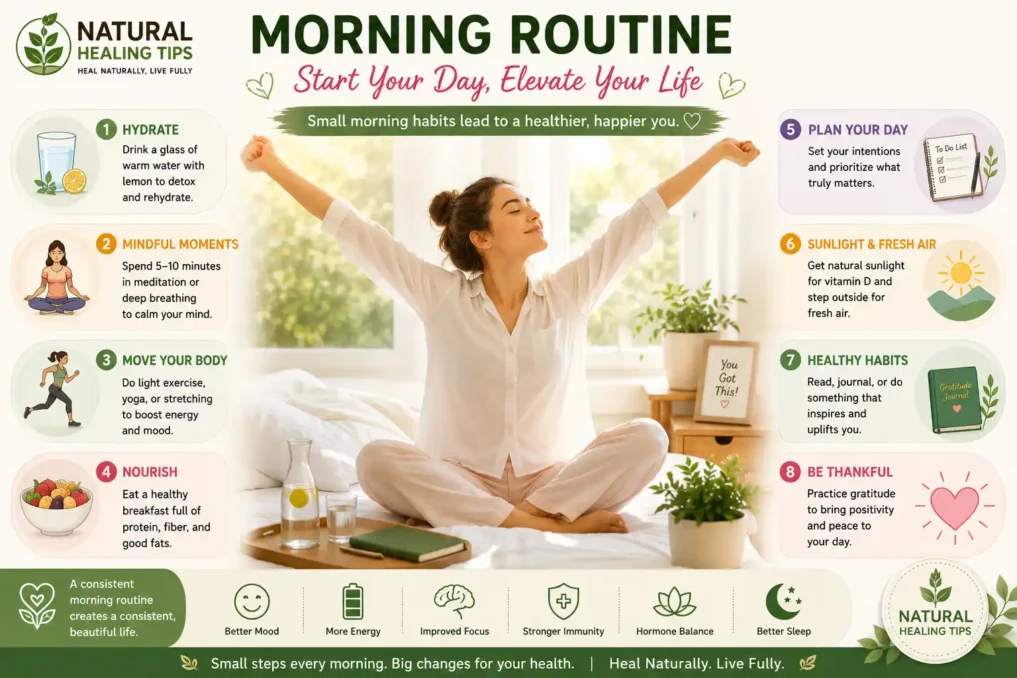
Get Morning Sunlight
Natural sunlight exposure shortly after waking helps regulate circadian rhythm, which influences hormone signaling and sleep quality.
Even 10–15 minutes outdoors may help.
Eat a Protein-Rich Breakfast
Skipping breakfast may worsen blood sugar instability for some people.
Helpful options:
- eggs
- yogurt
- nuts
- oats
- sprouts
- protein smoothies
Balanced breakfasts may help reduce cravings and energy crashes later in the day.
Hydrate Early
Mild dehydration can contribute to fatigue and sluggishness.
Starting the day with water may support metabolism and digestion.
Avoid Immediately Checking Your Phone
Many people begin the day with stress before even getting out of bed.
Constant notifications and information overload may increase mental stress levels early in the morning.
A calmer morning routine may positively affect the nervous system over time.
Best Exercises to Help Regulate Periods Naturally
Not all exercise affects hormones the same way.
Gentle, sustainable movement may play an important role in how to regulate periods naturally without placing excess stress on the body.
For many people with irregular periods, moderate and sustainable movement works better than extreme routines.
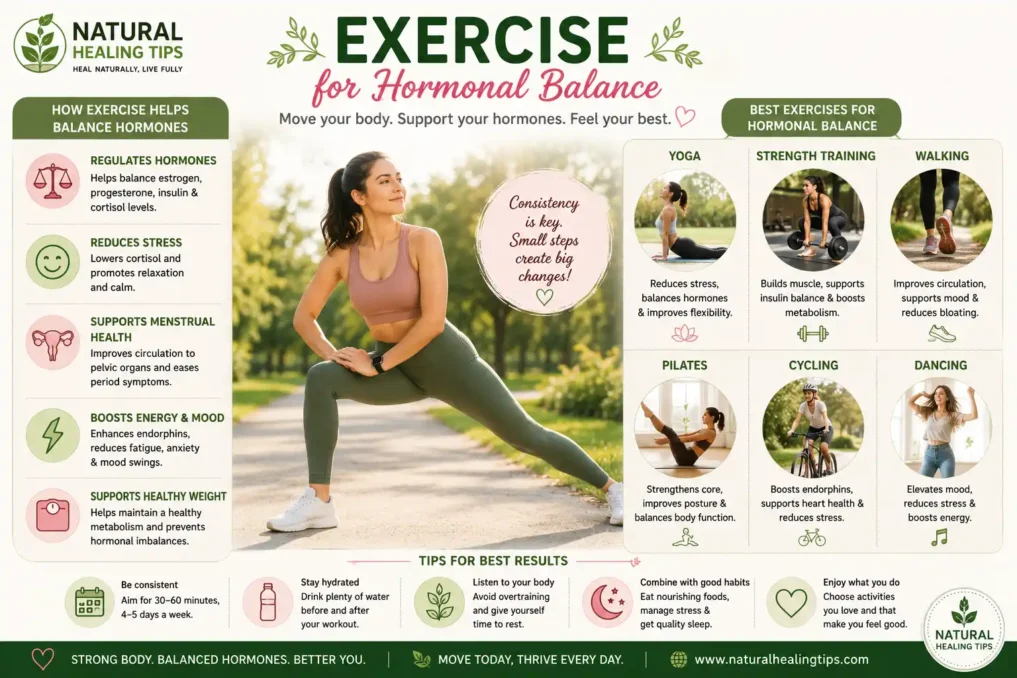
Walking
Walking may help:
- reduce stress
- improve insulin sensitivity
- support circulation
Even 20–30 minutes daily can be beneficial.
Yoga
Gentle yoga may help regulate the nervous system and reduce stress-related hormonal disruption.
Some people also notice reduced PMS discomfort.
Strength Training
Moderate strength training supports:
- metabolism
- muscle health
- insulin sensitivity
Overtraining, however, may have the opposite effect.
Stretching and Mobility Work
Gentle movement practices help reduce physical tension and promote relaxation.
The goal is not punishment.
The goal is supporting the body consistently.
Natural Hormone Support vs Temporary Quick Fixes
| Long-Term Supportive Habits | Temporary Shortcuts |
|---|---|
| Balanced nutrition | Extreme dieting |
| Consistent sleep | Energy drinks |
| Stress reduction | Over-reliance on stimulants |
| Moderate exercise | Excessive workout routines |
| Hydration | Skipping meals |
| Medical guidance when needed | Self-medicating without advice |
Quick fixes may sometimes mask symptoms temporarily without addressing the root cause.
Sustainable lifestyle support usually creates more stable long-term results.
Can Diet Really Affect Period Regularity?
Quick Answer
Yes. Diet strongly affects hormones, insulin sensitivity, inflammation, nutrient levels, and body weight — all of which influence menstrual regularity. Deficiencies in iron, magnesium, healthy fats, or protein may contribute to hormonal imbalance over time.
What Is Cycle Syncing?
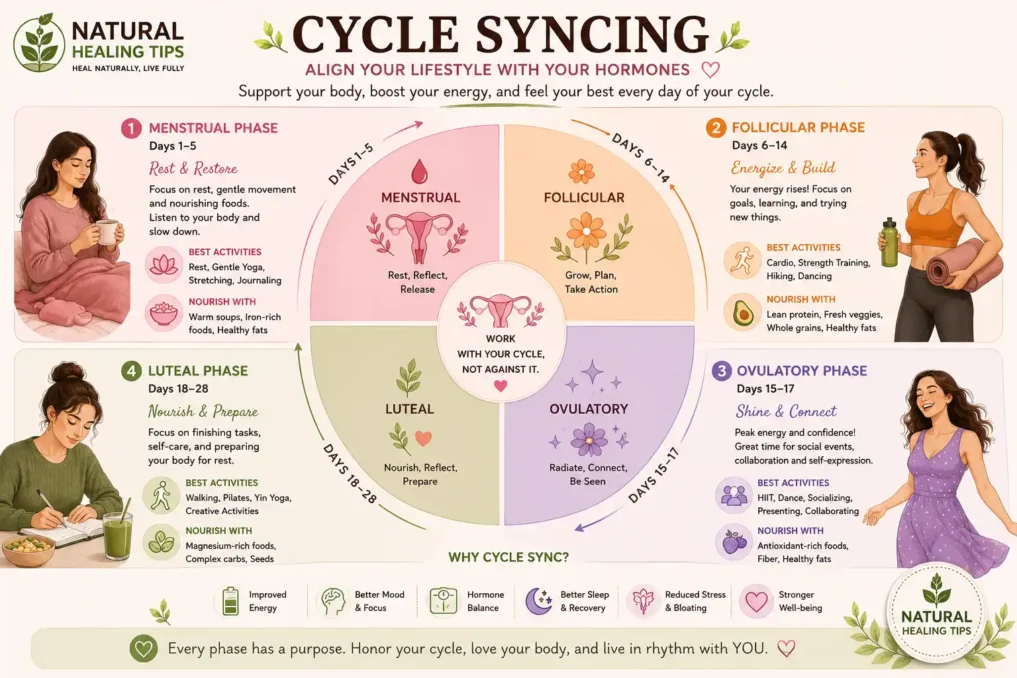
Cycle syncing is a growing wellness concept where people adjust lifestyle habits according to different menstrual cycle phases.
This may include:
- changing workout intensity
- adjusting food choices
- prioritizing rest during certain phases
For example:
- lighter workouts during menstruation
- strength-focused workouts around ovulation
- more rest before periods
Scientific research on cycle syncing is still developing, but many people find it helps them feel more aware of their body’s energy patterns.
The most important thing is listening to your body rather than forcing rigid routines.
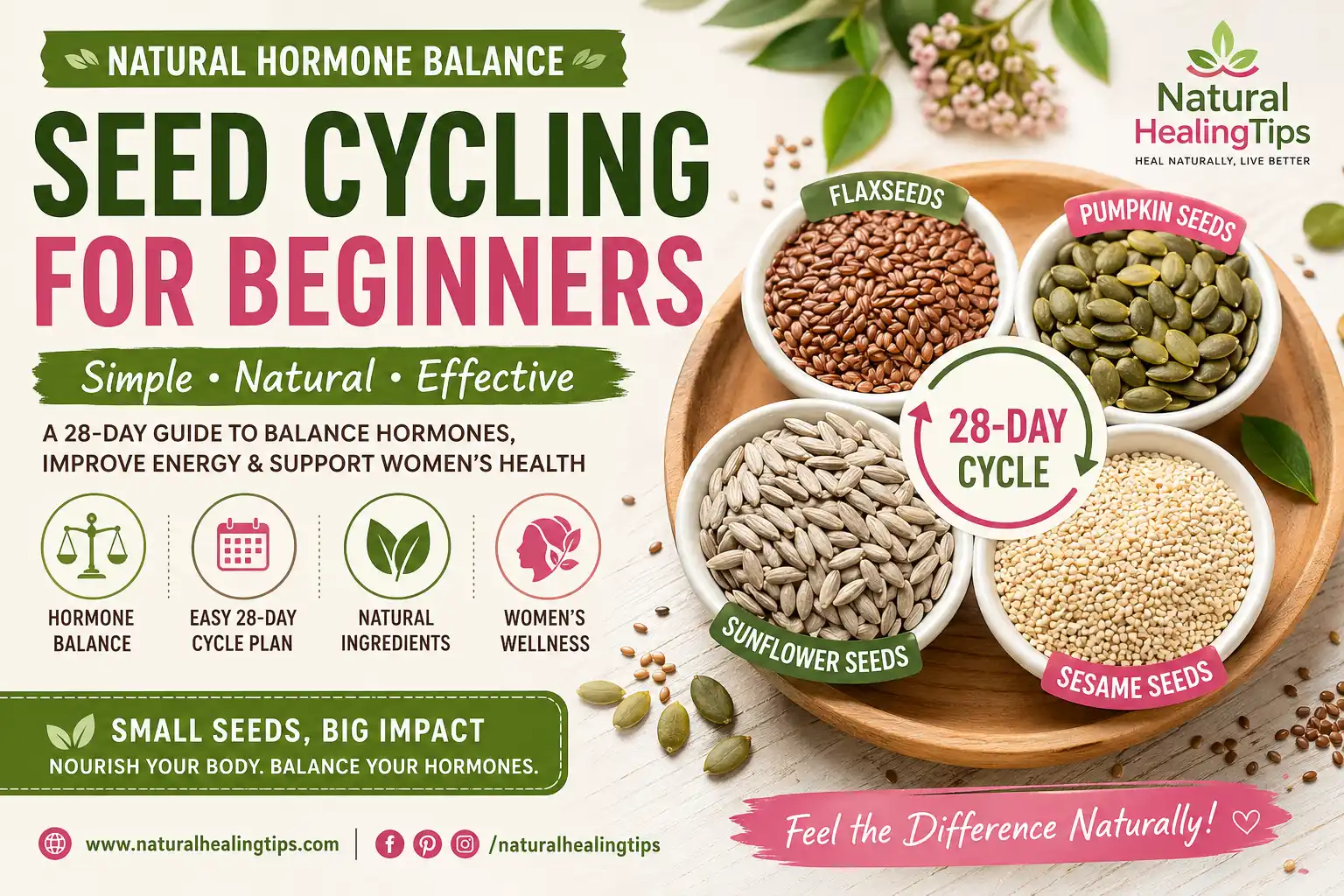
👉 Some people also combine cycle syncing with nutrition-focused approaches like: Seed Cycling for Beginners Guide
Want to See How Your Body Responds? Try This Simple 7-Day Routine
If you want to test practical ways for how to regulate periods naturally, consistency matters more than perfection.
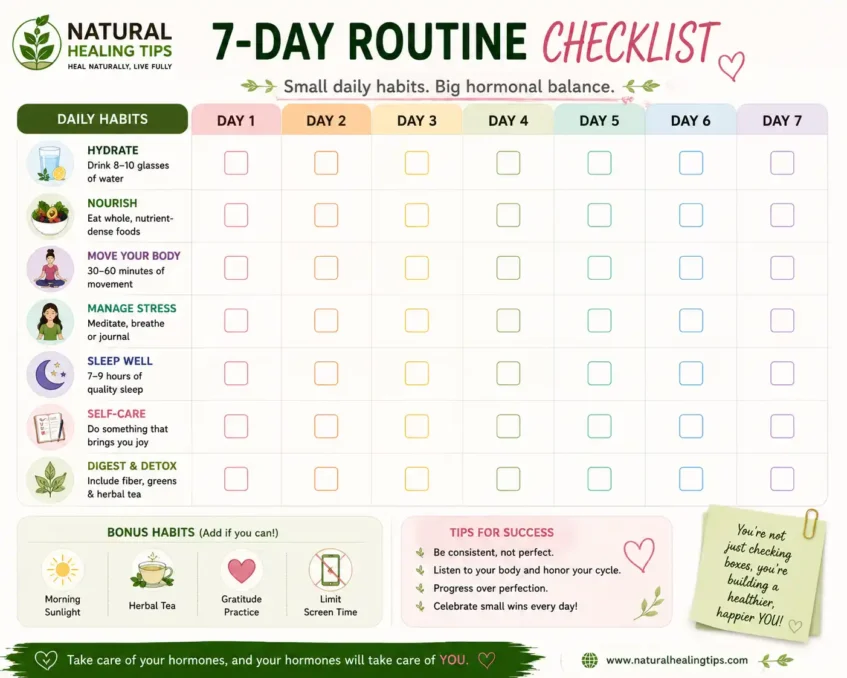
Morning
Small morning habits may gradually support hormone rhythm and help people exploring how to regulate periods naturally.
- Drink warm water
- Eat a protein-rich breakfast
- Get 10 minutes sunlight
Afternoon
- Eat balanced meals
- Stay hydrated
- Avoid sugary snacks
Evening
- Walk for 20–30 minutes
- Practice deep breathing
- Reduce screen time
Night
- Drink herbal tea
- Sleep before midnight
What to Observe
- energy levels
- bloating
- mood
- cravings
- sleep quality
Even small improvements matter.
When Can You Expect Results?
This is one of the most common questions people ask.
And the answer depends on the underlying cause.
Mild Lifestyle-Related Irregularity
Some people notice improvements within:
- 1–2 menstrual cycles
- several weeks of consistent habit changes
PCOS or Hormonal Imbalances
More significant hormonal imbalance may require:
- several months
- consistent nutrition
- stress management
- medical support if needed
Important Reality Check
Hormones usually respond gradually, not overnight.
Small improvements often appear first through:
- better sleep
- reduced bloating
- improved mood
- increased energy
before major cycle changes become noticeable.
Consistency matters more than perfection.
While This Is Usually Manageable, There Are Times When You Should Pay Attention
Seek medical advice if you experience:
- no periods for 3+ months
- extremely heavy bleeding
- severe pelvic pain
- dizziness or fainting
- sudden major cycle changes
- bleeding after menopause
Trusted organizations such as the World Health Organization, Cleveland Clinic, and NIH recommend professional evaluation when menstrual irregularities persist.
Quick Answer
Natural remedies may support menstrual health, but persistent irregular periods should not be ignored. Underlying conditions like thyroid disorders, anemia, PCOS, or reproductive health issues may require medical assessment.
Quick Summary
Common Causes
- stress
- poor sleep
- PCOS
- thyroid imbalance
- poor diet
- excessive exercise
Helpful Natural Remedies
- balanced nutrition
- stress reduction
- sleep improvement
- moderate exercise
- herbal teas
- cycle tracking
Foods to Prioritize
- leafy greens
- seeds
- nuts
- whole grains
- iron-rich foods
Habits to Avoid
- crash dieting
- chronic stress
- processed foods
- sleep deprivation
Frequently Asked Questions
Can irregular periods become regular naturally?
Yes, in many cases lifestyle improvements such as stress management, better sleep, balanced nutrition, and moderate exercise may help regulate cycles naturally. However, underlying medical conditions should also be ruled out if symptoms continue.
How long does it take to regulate periods naturally?
Some people notice improvements within a few weeks, while others may need 3–6 months of consistent lifestyle changes depending on the underlying cause.
What really happens if stress affects periods?
Stress increases cortisol production, which may interfere with ovulation and reproductive hormone balance. This can delay or disrupt menstruation.
Is it normal to occasionally miss a period?
Occasional irregularity can happen due to stress, travel, illness, or lifestyle changes. Persistent missed periods should be medically evaluated.
Which foods are best for hormonal balance?
Iron-rich foods, healthy fats, protein, fiber, nuts, seeds, fruits, and vegetables may help support hormonal health naturally.
Can exercise improve menstrual regularity?
Moderate exercise may improve insulin sensitivity, circulation, stress levels, and hormone balance. Excessive exercise without enough nutrition may worsen irregularity.
What mistakes should you avoid?
Common mistakes include:
- crash dieting
- sleeping too late
- excessive caffeine
- overtraining
- ignoring chronic stress
- relying on unverified supplements
Gentle Health Disclaimer
This article is for educational purposes only and should not replace professional medical advice, diagnosis, or treatment.
Final Thoughts
Hormonal balance is rarely shaped by just one thing.
Learning how to regulate periods naturally is often less about perfection and more about supporting your body consistently through sleep, nutrition, stress management, and sustainable habits.
Often, it’s the combination of sleep, stress, food choices, movement, emotional wellbeing, and daily routines that gradually influences menstrual health.
The encouraging part is that small consistent habits can create meaningful changes over time.
Your body responds to how you care for it daily.
And sometimes, the simplest habits are the ones that quietly make the biggest difference.