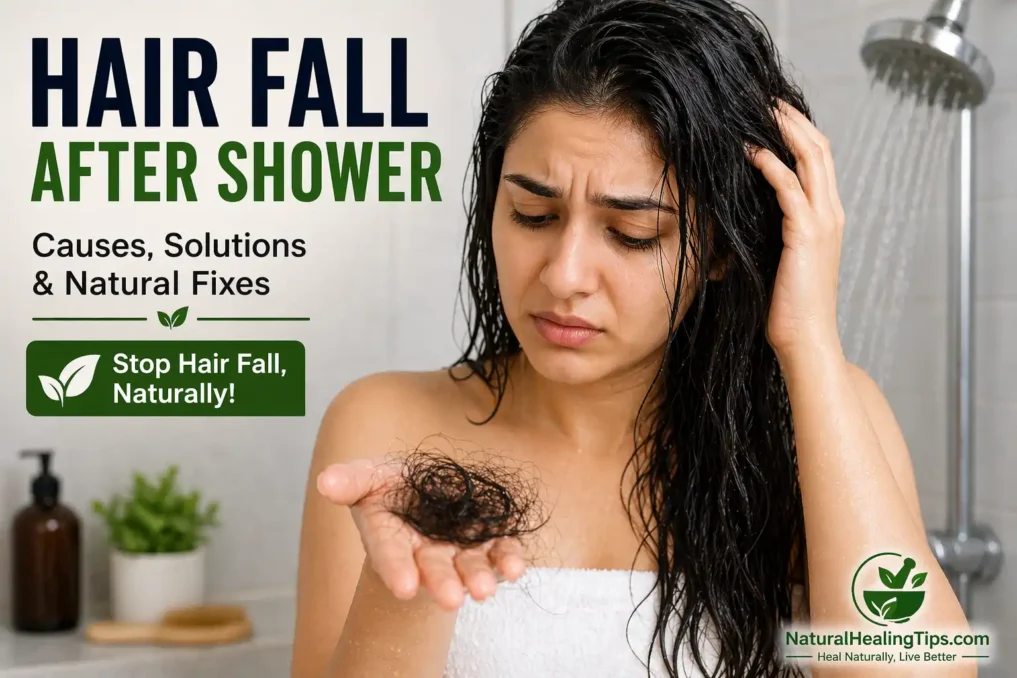
Hair Fall After Shower: Causes & Natural Fixes
Introduction
You step out of the shower, run your fingers through your hair—and suddenly, strands start coming out.
More than usual.
It’s unsettling, right?
Is this normal… or is something going wrong?
Why does hair fall more after a shower than at any other time?
And here’s the bigger question most people don’t ask—
what if your shower routine itself is silently triggering hair loss?
Many people search for “why does my hair fall after shower” or “how to stop hair fall after washing hair”—and the answer often lies in daily habits.
Why Does Hair Fall After Shower?
Hair fall after shower happens because wet hair is more fragile, and washing releases loose strands that were already in the shedding phase. In most cases, this is completely normal unless the hair loss is excessive or increasing over time.
👉 If you’re noticing consistent hair shedding beyond normal levels, it may help to explore deeper solutions. If you’re dealing with ongoing hair fall issues: Natural Remedies for Hair Fall & Hair Growth
Is This Common or Normal?
You’re not alone in this.
In fact, this is more common than most people think.
Many readers tell us they only notice hair fall after washing their hair, which makes it feel worse than it actually is.
Here’s the truth:
- Losing 50–100 strands per day is completely normal
- Washing hair simply releases strands that were already loose
So what you see in the shower drain…
is often just a collection of hair that would have fallen anyway
But—
if the amount feels excessive, sudden, or increasing…
That’s when it’s worth understanding what’s really happening.
Why Hair Falls After Shower (Science Explained)
Here’s what’s really happening inside your body…
1. Wet Hair Is at Its Weakest
This might surprise you.
Hair becomes elastic and fragile when wet.
That means:
- It stretches more
- Breaks more easily
- Falls out with less force
Even normal combing after a shower can lead to noticeable shedding.
↗ Dermatology experts emphasize gentle handling of wet hair to prevent breakage. Insights from American Academy of Dermatology highlight proper hair care practices.
2. Natural Hair Shedding Gets Delayed
Your hair goes through cycles:
- Growth (Anagen)
- Resting (Telogen)
- Shedding phase
During the day, loose hair often stays trapped.
But when you wash your hair…
👉 All those “ready-to-fall” strands come out at once.
That’s why it feels sudden.
3. Hot Water Weakens Hair Roots
Love hot showers?
Most people do.
But here’s something many ignore:
Hot water can:
- Strip natural oils
- Dry the scalp
- Weaken follicles over time
In traditional Indian households, lukewarm or cool water is often preferred—and for good reason.
4. Shampoo Chemicals May Trigger Hair Fall
Not all shampoos are equal.
Harsh ingredients like:
- Sulfates
- Parabens
- Synthetic fragrances
can irritate the scalp.
Over time, this may:
- weaken hair roots
- increase shedding
- disrupt scalp balance
5. Rough Towel Drying Causes Breakage
This is one of the most overlooked habits.
Vigorous rubbing with a towel:
- creates friction
- causes hair breakage
- leads to split ends
And broken hair often looks like hair fall.
6. Nutritional Deficiencies Show Up During Hair Wash
One interesting thing researchers have found:
Hair fall often reflects internal health.
Deficiencies in:
- Iron
- Protein
- Vitamin D
- Biotin
can weaken hair roots.
And the first place you notice it?
👉 During hair washing.
👉 Hair health is deeply connected to what you eat daily. What you eat directly affects your hair health: Natural Collagen Boosting Foods & Drinks
↗ Nutritional deficiencies can significantly affect hair health. According to World Health Organization, proper nutrition is essential for overall well-being.
7. Hormonal Imbalances
Hormones play a huge role in hair health.
Conditions like:
- Thyroid imbalance
- PCOS
- Postpartum changes
can increase shedding.
Global health bodies like World Health Organization highlight hormonal health as a key factor in overall well-being—including hair.
8. Stress & Lifestyle Factors
Modern lifestyle is a silent trigger.
Chronic stress can push hair into the shedding phase.
Many people notice hair fall after:
- illness
- emotional stress
- poor sleep
And again—this becomes visible during showering.
👉 If your hair fall increased after a stressful period, your body may be reacting internally. Stress is a major but often ignored cause of hair fall: Natural Remedies for Stress and Anxiety
Hair Fall vs Hair Breakage
Here’s something most people misunderstand…
Not all hair you lose in the shower is “hair fall.”
Sometimes—it’s breakage.
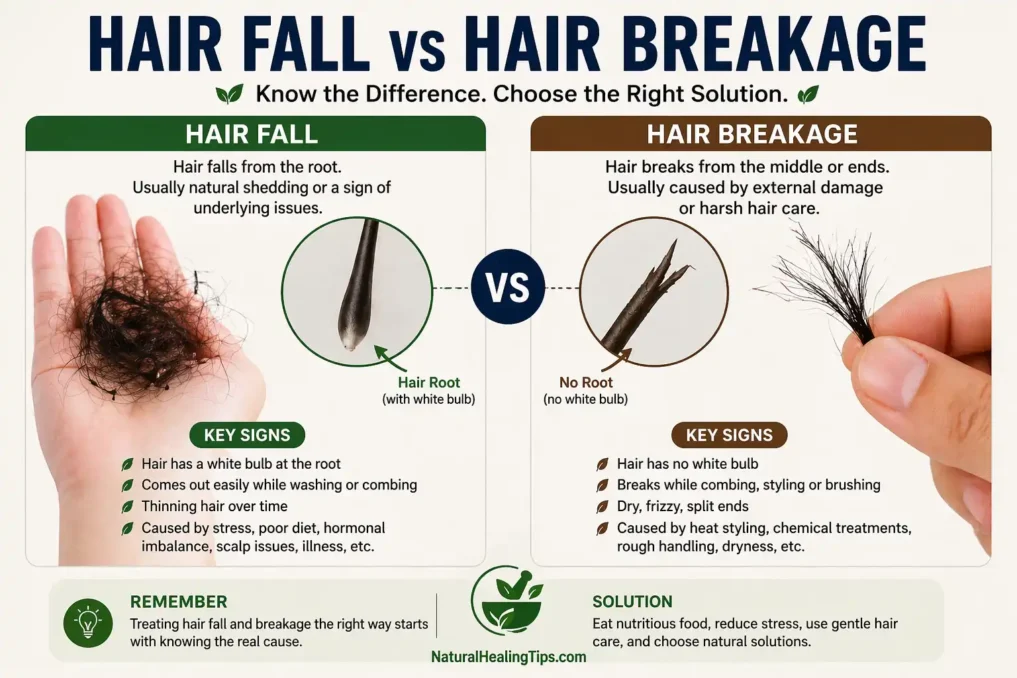
How to tell the difference:
| Root bulb visible | Yes | No |
| Length of strand | Full length | Short pieces |
| Cause | Internal (hormones, nutrition) | External (damage, friction) |
👉 Why this matters:
If it’s breakage, your shampoo or towel habits may be the real problem—not your health.
How Much Hair Fall After Shower Is Normal?
This is one of the most searched questions—and a major ranking opportunity.
Normal Range:
- 50–100 strands per day
- 100–150 on hair wash days
When it’s NOT normal:
- Clumps of hair falling
- Noticeable thinning
- Increasing shedding week by week
👉 Many people panic unnecessarily.
But context matters more than numbers.
When Should You Be Concerned?
While this is usually harmless, there are times when you should pay attention…
Watch out for:
- Sudden heavy hair fall
- Hair coming out in clumps
- Visible thinning or bald patches
- Itchy or painful scalp
According to NHS and Mayo Clinic, persistent or excessive hair loss may require medical evaluation.
Don’t panic—but don’t ignore it either.
↗ According to experts, persistent or sudden hair loss may require medical evaluation. Guidance from Mayo Clinic supports understanding underlying causes.
The Correct Hair Washing Routine (Step-by-Step)
Most people unknowingly damage their hair during washing.
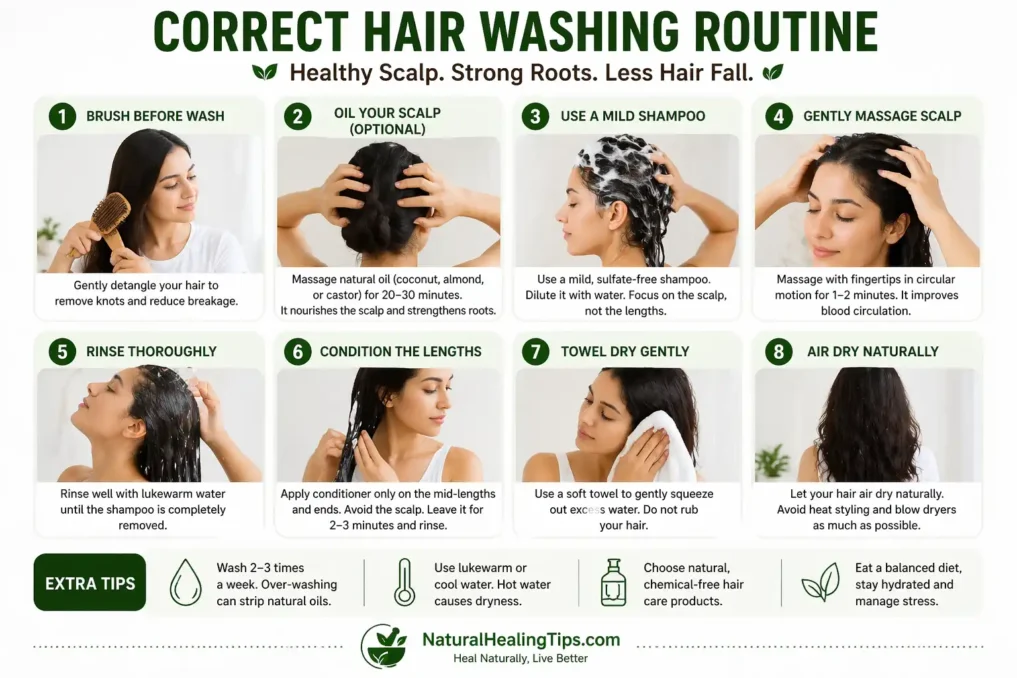
Here’s a dermatologist-style routine:
Step 1: Oil (Optional but beneficial)
- Apply light oil 30–60 mins before wash
Step 2: Wet Hair Gently
- Avoid high-pressure water
Step 3: Dilute Shampoo
- Mix shampoo with water before applying
Step 4: Focus on Scalp
- Do NOT scrub hair lengths
Step 5: Rinse Thoroughly
- Residue = scalp problems
Step 6: Condition Ends Only
- Never apply conditioner to scalp
Step 7: Air Dry or Pat Dry
- No aggressive rubbing
👉 This one routine alone can reduce hair fall significantly.
Hard Water: The Hidden Cause Most People Ignore
This is a massive SEO gap most blogs miss.
Hard water contains:
- Calcium
- Magnesium
These minerals:
- Build up on scalp
- Block hair follicles
- Cause dryness and breakage
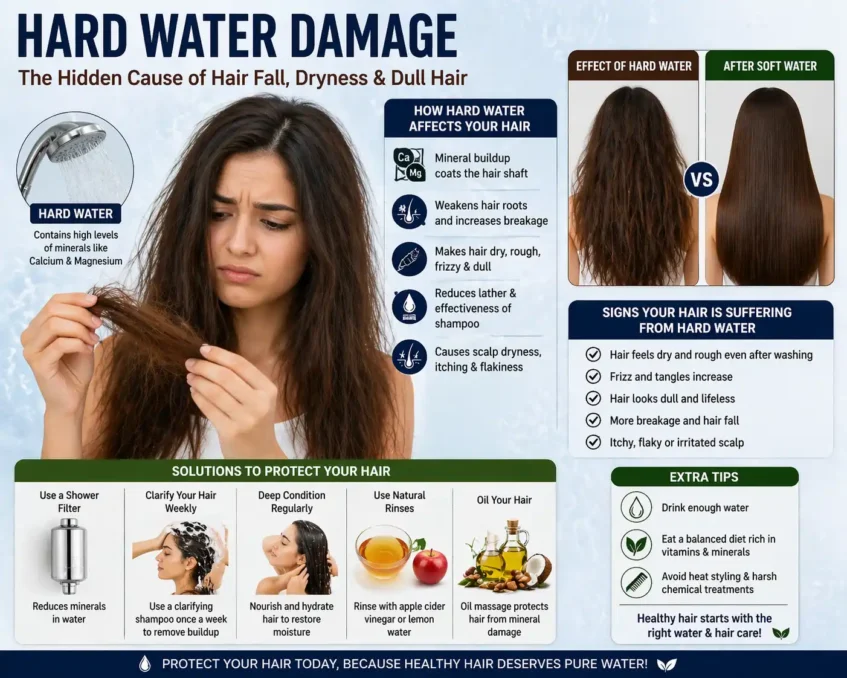
Signs of hard water damage:
- Hair feels rough after wash
- Increased hair fall
- Dull, lifeless texture
Simple fixes:
- Use a water filter shower head
- Try apple cider vinegar rinse (weekly)
In many Indian cities, hard water is a common but overlooked cause.
Ingredients That May Be Causing Your Hair Fall
Not all products are safe—even popular ones.
Watch out for:
- Sulfates (SLS, SLES)
- Parabens
- Alcohol-heavy formulas
- Artificial fragrances
These can:
- Irritate scalp
- Weaken hair roots
- Increase shedding over time
👉 Switching products often shows improvement within weeks.
How Scalp Health Affects Hair Fall After Shower
Healthy hair starts with a healthy scalp.
Many people focus only on hair length—but ignore the scalp.
Common scalp issues:
- Dandruff
- Fungal buildup
- Excess oil or dryness
👉 Healthy scalp is the foundation of strong hair. Improve your routine with: Ayurvedic Daily Routine for Wellness
These conditions can:
- weaken follicles
- disrupt growth cycle
- increase hair fall
👉 If your scalp is itchy or flaky, that’s a sign you shouldn’t ignore.
How to Reduce Hair Fall After Shower Immediately
If you want quick results, start with these simple changes:
- Use lukewarm water instead of hot water
- Switch to a mild, sulfate-free shampoo
- Avoid rubbing hair with a towel
- Use a wide-tooth comb on semi-dry hair
- Apply light oil before washing
👉 Many people notice reduced hair fall within just a few washes.
How to Reduce Hair Fall After Shower Naturally
The good news is—small changes can make a noticeable difference…
1. Switch to Lukewarm Water
Avoid very hot showers.
👉 You may notice reduced dryness within days.
2.Use Gentle, Natural Shampoo
Look for:
- sulfate-free
- herbal-based
- mild cleansers
In many Indian kitchens, traditional powders like shikakai or reetha are still used.
👉 Many readers also try simple herbal treatments at home to reduce hair fall. Try this simple home remedy to strengthen your hair: DIY Herbal Hair Rinse for Hair Growth
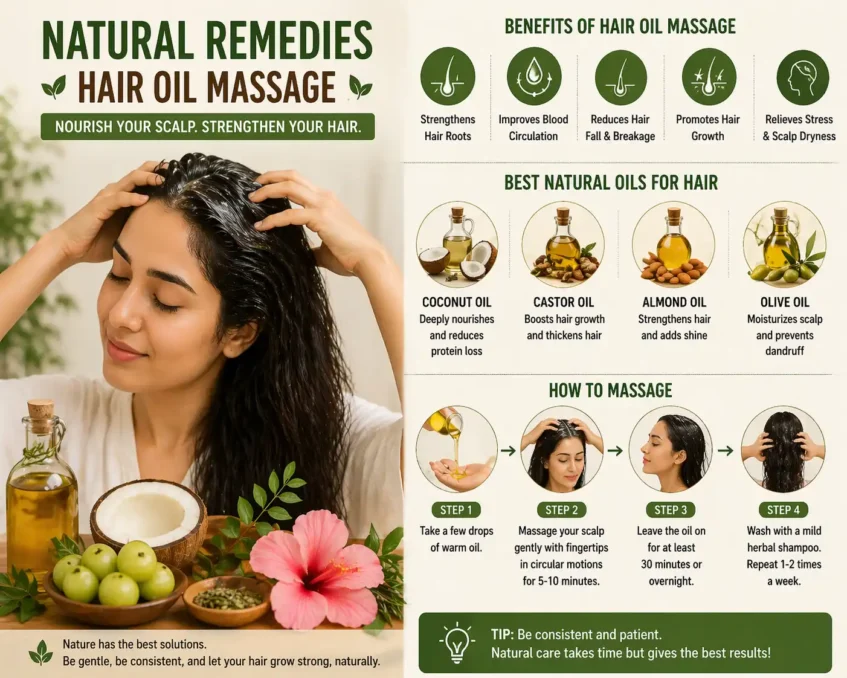
3. Oil Your Hair Before Washing
This is a powerful habit.
Use:
- coconut oil
- almond oil
- castor oil
Massage gently.
This:
- protects roots
- reduces friction
- improves blood circulation
4. Be Gentle While Washing
Avoid aggressive scrubbing.
Instead:
- massage softly
- let water flow naturally
5. Pat Dry—Don’t Rub
Use a soft towel.
Or even better—
👉 a cotton T-shirt.
6. Avoid Combing Wet Hair
Wet hair breaks easily.
Wait until:
- 70–80% dry
Then use a wide-tooth comb.
7. Improve Your Diet
Hair reflects nutrition.
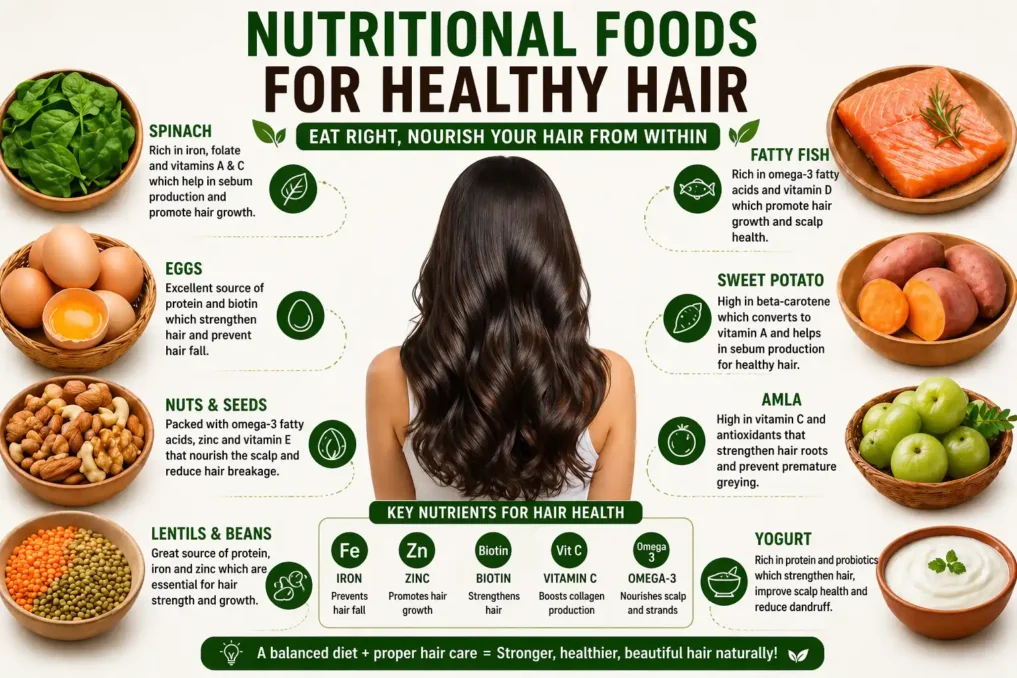
Include:
- leafy greens
- nuts and seeds
- lentils
- eggs (if non-veg)
- fruits
In traditional Indian diets, foods like amla and curry leaves are often used for hair strength.
8. Stay Hydrated
Dehydration affects scalp health.
Even mild dehydration can weaken hair.
9. Manage Stress
This is often ignored.
Try:
- yoga
- meditation
- walking
Even 10–15 minutes daily helps.
10. Limit Heat Styling
Excess heat damages hair structure.
Reduce:
- blow drying
- straightening
How to Reduce Hair Fall After Shower Quickly
- Use lukewarm water
- Avoid harsh shampoos
- Don’t rub hair with towel
- Comb only when semi-dry
- Improve nutrition
- Reduce stress
3-Day Natural Experiment
Want to see how your body responds? Try this 3-day routine…
Day 1
- Oil massage + mild shampoo
- Lukewarm water
Day 2
- Focus on hydration + nutrition
Day 3
- Gentle wash + no towel rubbing
Observe:
- reduced hair fall
- smoother texture
Sometimes, even small changes create noticeable shifts.
Quick Summary
- Hair fall after shower is often normal
- Wet hair is more fragile
- Hot water and harsh shampoos worsen shedding
- Nutritional deficiencies can increase hair fall
- Gentle care reduces breakage
- Natural remedies can help significantly
Seasonal Hair Fall: Is It Real?
Yes—and most people don’t know this.
Research suggests hair shedding can increase during:
- Late summer
- Autumn (fall season)
Why?
- Hair cycle shifts
- Environmental changes
👉 This is temporary—but can feel alarming.
What Dermatologists Say
Experts often emphasize:
- Hair fall is multi-factorial
- Rarely caused by one single issue
According to organizations like:
- American Academy of Dermatology
Key causes include:
- genetics
- stress
- nutrition
- scalp health
👉 Which means:
Quick fixes rarely work—but consistent habits do.
Hair Fall Myths vs Facts
Myth: Washing hair causes hair fall
👉 Fact: It only reveals already loose hair
Myth: Oil stops hair fall instantly
👉 Fact: It supports scalp health—not a miracle cure
Myth: Cutting hair reduces hair fall
👉 Fact: Hair fall starts at roots, not ends
People Also Ask
Why does hair fall more on wash days?
Because washing releases hair that has already completed its natural shedding cycle.
Is losing 100 hairs after shower normal?
Yes, especially on wash days, this is within the normal range.
Does shampoo cause hair fall?
Not directly, but harsh shampoos can weaken roots and increase shedding.
Can hard water cause hair fall?
Yes, mineral buildup from hard water can damage hair and increase breakage.
FAQs
What really happens if I ignore hair fall after shower?
If it’s mild, nothing serious.
But persistent or worsening hair fall may indicate deeper issues.
Can this actually improve naturally?
Yes.
Many people see improvement within weeks by adjusting:
- diet
- hair care habits
- stress levels
Why do some people notice changes quickly?
Because hair responds fast to:
- hydration
- gentle handling
- nutrition
Is hair fall after oiling normal?
Some shedding is normal.
Oil loosens already weak strands.
How much hair fall after shower is too much?
If it exceeds:
- 150–200 strands regularly
- or feels significantly higher than usual
…it’s worth checking further.
Disclaimer
This article is for educational purposes only and should not replace professional medical advice.
Conclusion
Hair fall after a shower can feel alarming.
But most of the time, it’s your body simply following its natural rhythm.
Still, small habits—
the temperature of your water, the way you dry your hair, what you eat daily—
quietly shape your hair health over time.
Sometimes, the solution isn’t a miracle product…
It’s a return to gentler, more mindful care.
And the best part?
You don’t have to change everything overnight.
Just start small.
Your hair will notice.