

Turmeric Benefits: Science, Uses, and Simple Ways to Use Turmeric Daily
1. A Familiar Spice Many Kitchens Already Know
In many households, turmeric is simply part of everyday cooking.
A pinch in lentils.
A spoon in vegetable curries.
Sometimes mixed with warm milk before bed.
Many people grow up seeing this bright golden spice used almost automatically in the kitchen, without thinking much about why.
Because of growing research and traditional knowledge, turmeric benefits continue to attract attention from nutrition experts and health-conscious readers around the world.
But at some point, curiosity begins.
Why has turmeric been used for centuries in traditional food and remedies?
Why do many people drink turmeric milk when they feel tired or unwell?
And what exactly does science say about turmeric benefits today?
Over the last two decades, researchers have taken a closer look at turmeric, especially its main active compound called curcumin.
What they found is fascinating.
Turmeric appears to influence several systems in the body — including inflammation pathways, digestion, and cellular protection.
Yet despite the growing research, turmeric remains one of the simplest ingredients you can add to everyday meals.
Sometimes the most interesting health habits start with the ingredients we already have in our kitchen.
2. Is It Common to Use Turmeric for Health?
Yes — turmeric is one of the most widely used spices in the world.
For centuries it has played an important role in traditional diets across South Asia, Southeast Asia, and parts of the Middle East.
In India especially, turmeric has long been part of Ayurvedic dietary traditions.
It is used in:
- daily cooking
- herbal drinks
- traditional home remedies
- skin preparations
But turmeric is not just an Indian ingredient anymore.
In recent years, turmeric has become popular worldwide as people explore natural approaches to health.
You may have seen it in:
- turmeric lattes
- golden milk drinks
- turmeric supplements
- herbal teas
- health smoothies
Researchers and nutritionists are also studying turmeric for its potential roles in:
- inflammation management
- digestive health
- immune support
- antioxidant protection
That does not mean turmeric is a miracle cure.
But it does show that a traditional spice can still have relevance in modern wellness conversations.
3. How the Body Responds to Compounds Like Turmeric
To understand turmeric benefits, it helps to look at how the body works.
The body is constantly managing three important processes:
Inflammation regulation
Inflammation is part of the immune system’s natural response.
When tissues are stressed, irritated, or injured, the body activates inflammatory pathways to help repair the area.
But long-term inflammation can place extra strain on the body.
Certain plant compounds may help support healthy inflammation balance.
Oxidative stress protection
Cells are exposed to natural stress from:
- metabolism
- environmental factors
- diet
- aging
This can create molecules called free radicals.
Antioxidants help neutralize these molecules and support cellular protection.
Digestive system balance
The digestive system involves:
- stomach acid
- digestive enzymes
- gut microbiome bacteria
- intestinal movement
Foods and spices can influence these digestive processes in subtle ways.
Turmeric appears to interact with all three of these systems. And that is why researchers continue to study it.
4. Common Health Concerns People Explore Natural Remedies For
Many readers who explore natural ingredients like turmeric are simply trying to improve everyday wellness.
Some of the most common concerns include:
Digestive discomfort
This may include:
- bloating
- heaviness after meals
- irregular digestion
Certain spices may help stimulate digestive activity.
👉 Many people also explore simple home remedies to calm digestive discomfort: Natural Remedies for Digestive Problems
Joint stiffness or inflammation
People experiencing occasional stiffness often explore anti-inflammatory foods.
This includes spices like turmeric and ginger.
Fatigue and low energy
A balanced diet rich in plant compounds can support overall metabolic health.
Immune support
Many traditional dietary habits include herbs and spices believed to support immune function.
These concerns are common and often linked to lifestyle patterns such as:
- diet quality
- sleep habits
- physical activity
- stress levels
Turmeric is often explored as one small piece of a larger wellness routine.
5. What Is Curcumin in Turmeric?
Curcumin is the primary active compound found in turmeric. It belongs to a group of plant chemicals called polyphenols, which are known for their antioxidant properties.
Although turmeric contains many beneficial compounds, curcumin is the one most widely studied in scientific research.
One interesting thing researchers have found is that curcumin alone is not absorbed very efficiently by the body. This is one reason traditional recipes often combine turmeric with black pepper.
Black pepper contains piperine, which may help improve curcumin absorption.
6. Science Behind Turmeric Benefits
Researchers are particularly interested in turmeric’s main active compound: Curcumin
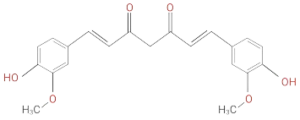
Curcumin belongs to a group of plant compounds known as polyphenols.
Below are some of the main mechanisms researchers study.
Anti-Inflammatory Activity
One of the most widely studied turmeric benefits is its role in supporting healthy inflammation balance.
Curcumin appears to interact with inflammatory signaling pathways in the body.
Some research suggests it may influence molecules involved in inflammatory responses.
This is why turmeric is often discussed in the context of joint health and general wellness.
👉 Diet patterns rich in anti-inflammatory foods can support long-term wellness: Anti-Inflammatory Diet for Natural Healing
Antioxidant Protection
Curcumin is also a powerful antioxidant compound.
Antioxidants help neutralize free radicals that may contribute to cellular stress.
This is important because oxidative stress is associated with many long-term health processes.
Adding antioxidant-rich foods to the diet may help support overall health.
Digestive System Support
Turmeric has traditionally been used to support digestion.
👉 Many everyday spices can gently support digestion and reduce gas after meals: Kitchen Ingredients That Reduce Gas Fast
It may help stimulate:
- bile production
- digestive enzyme activity
- intestinal motility
In traditional Indian cooking, turmeric is often used together with other digestive spices like cumin and coriander.
👉 Many people also drink turmeric milk at night to support digestion and overall wellness: Turmeric Milk Before Bed: Benefits, Science, and Who Should Avoid It
Gut Microbiome Interaction
Researchers are also studying how plant polyphenols interact with gut bacteria.
Some compounds appear to support beneficial gut microbial activity.
The gut microbiome plays an important role in digestion and immune function.
👉 Diet plays a major role in maintaining gut bacteria balance: Gut Health Foods for Better Digestion
Metabolic Health
Some studies explore turmeric’s role in metabolic processes such as:
- blood sugar regulation
- lipid metabolism
- insulin sensitivity
More research is still needed in this area.
Immune System Interaction
Curcumin may influence immune signaling molecules involved in the body’s defense system.
This does not mean turmeric prevents illness, but it may support general immune balance.
Brain Health and Cognitive Function
Early research suggests curcumin may influence certain brain-related pathways.
Scientists are studying its relationship with:
- oxidative stress in brain tissue
- inflammation in neural systems
These areas remain under active research.
7. Additional Turmeric Benefits Worth Understanding
While the most widely discussed turmeric benefits relate to inflammation and digestion, researchers continue to explore how turmeric interacts with many other systems in the body.
These areas of research are still evolving, but they help explain why turmeric has remained part of traditional diets for generations.
These additional insights help expand our understanding of turmeric benefits beyond digestion and inflammation.
Below are several additional areas where turmeric may play a supportive role.
Skin Health and Natural Glow
In many traditional Indian households, turmeric is not only used in cooking but also in natural skincare preparations.
You may have heard of turmeric being used in face masks or traditional beauty rituals.
This is not surprising.
Turmeric contains antioxidant compounds that may help protect skin from oxidative stress caused by:
- pollution
- UV exposure
- environmental toxins
Oxidative stress can contribute to visible skin aging over time.
Because of this, turmeric is sometimes included in:
- homemade face masks
- herbal skincare products
- traditional beauty routines
In Ayurveda, turmeric has historically been used in ubtan, a natural skin paste made with herbs, flour, and oils.
However, turmeric used on skin can stain temporarily, so many people use it carefully or in diluted forms.
More research is still being conducted to understand how turmeric compounds interact with skin biology.
👉 Many herbs traditionally used for skin health are discussed here: Skin Healing Herbs for Clear Glowing Skin
Turmeric and Joint Comfort
Another reason turmeric has gained global attention is its potential relationship with joint comfort.
Occasional stiffness or discomfort can occur for many reasons:
- aging
- physical activity
- inflammation
- lifestyle factors
Because curcumin interacts with inflammatory pathways, researchers are studying whether turmeric may support joint health as part of a balanced lifestyle.
Some studies suggest curcumin may influence molecules involved in inflammation signaling.
👉 Some people also use traditional remedies alongside diet for joint comfort: Natural Remedies for Joint Pains
However, it is important to remember that turmeric in food amounts works gradually and should not replace medical treatments for joint conditions.
Many people simply include turmeric as part of an anti-inflammatory dietary pattern, along with:
- leafy vegetables
- berries
- healthy fats
- spices like ginger and cinnamon
Heart and Circulatory Health
Heart health is influenced by many factors, including:
- diet
- exercise
- stress
- sleep
- genetics
Scientists are studying whether curcumin may support cardiovascular health through several possible mechanisms.
These include:
- antioxidant protection
- support for healthy blood vessel function
- influence on inflammatory markers
Again, turmeric is not a replacement for heart medications or medical care.
But including antioxidant-rich foods in the diet is widely recommended by nutrition experts.
Brain Health and Cognitive Support
Another interesting area of turmeric research involves the brain.
Researchers are studying how oxidative stress and inflammation affect brain health over time.
Curcumin’s antioxidant properties may help support cellular protection in neural tissue.
Some early studies are exploring its relationship with:
- cognitive function
- memory processes
- mood regulation
However, much of this research is still ongoing, and scientists continue to investigate these connections.
8. Turmeric and Immune System Balance
The immune system is incredibly complex.
It constantly balances two important functions:
- protecting the body from pathogens
- avoiding unnecessary inflammation
Plant compounds like curcumin appear to interact with immune signaling molecules.
This does not mean turmeric can prevent illness.
But it may help support overall immune balance when included as part of a nutrient-rich diet.
Foods that support immune health typically include:
- fruits and vegetables
- herbs and spices
- fermented foods
- whole grains
Turmeric is often included among these foods because of its antioxidant and polyphenol content.
👉 Many natural habits can support the immune system throughout the year: Natural Immunity Boosting Tips for All Seasons
9. Turmeric in Traditional Medicine Systems
To understand turmeric fully, it helps to look beyond modern research.
Turmeric has been used for centuries in traditional medicine systems.
Ayurveda
In Ayurveda, turmeric is considered a warming spice.
It has historically been used to support:
- digestion
- skin health
- respiratory comfort
- metabolic balance
Ayurvedic practitioners often combine turmeric with other herbs such as:
- ginger
- black pepper
- tulsi (holy basil)
These combinations reflect the idea that herbs often work better together than alone.
👉 Ayurvedic traditions also emphasize daily lifestyle habits for overall balance: Ayurvedic Daily Routine for Wellness
Traditional Chinese Medicine
Turmeric has also appeared in Traditional Chinese Medicine practices.
It has been used historically to support circulation and comfort.
10. Cultural Food Traditions
Perhaps the most important point is this:
In many cultures, turmeric is not used as a supplement.
It is simply part of daily cooking.
This regular, small intake may be one reason turmeric has remained so widely valued.
11. How Turmeric Is Traditionally Combined with Other Spices
One of the fascinating aspects of traditional cooking is how spices are combined.
Many of these combinations may actually improve digestion and nutrient absorption.
Turmeric + Black Pepper
Black pepper contains piperine, which may help improve curcumin absorption.
This combination is extremely common in cooking.
Turmeric + Ginger
Ginger and turmeric are often paired together.
Both spices are widely studied for their roles in digestive comfort and inflammation balance.
👉 Ginger is another powerful kitchen remedy commonly used for digestion and colds: Ginger Tea for Digestion and Cold — Best Time to Drink and Benefits
Turmeric + Cinnamon
Cinnamon is another spice rich in antioxidants.
Together with turmeric, it is commonly used in warm drinks and teas.
Turmeric + Garlic
Garlic is known for its cardiovascular and immune-supporting properties.
These two ingredients are staples in many traditional recipes.
12. Choosing Good Quality Turmeric
Not all turmeric is the same.
If you want to use turmeric regularly, quality matters.
Here are a few tips.
Look for Deep Golden Color
Fresh turmeric powder typically has a rich golden-orange color.
A dull or pale powder may indicate older stock.
Buy from Trusted Sources
Choose spices from brands that maintain good storage practices.
Exposure to air, moisture, and light can reduce spice quality.
Consider Fresh Turmeric Root
Fresh turmeric root is sometimes available in grocery stores.
It looks similar to ginger but has bright orange flesh.
Fresh turmeric can be:
- grated into soups
- blended into smoothies
- steeped in tea
Store Turmeric Properly
Store turmeric powder in:
- airtight containers
- cool, dry places
- away from direct sunlight
Proper storage helps preserve its aroma and compounds.
13. Turmeric Supplements: What to Know
Because turmeric has gained popularity, many companies now sell curcumin supplements.
These supplements often contain concentrated extracts.
However, supplements are very different from culinary turmeric.
Important points to remember:
- supplements contain much higher doses
- formulations vary widely
- quality standards differ between brands
Some supplements include additional compounds such as piperine to improve absorption.
Before taking supplements, it is always wise to consult a healthcare professional.
Food-based turmeric is generally considered the safest way to include it in daily life.
14. Cultural Traditions Around Turmeric
Turmeric is deeply woven into cultural traditions, especially in South Asia.
In India, turmeric has symbolic as well as practical importance.
It appears in:
- wedding ceremonies
- traditional cooking
- religious rituals
- skincare traditions
The haldi ceremony before Indian weddings is one well-known example.
Turmeric paste is applied as part of a traditional blessing ritual.
This cultural history reflects how turmeric has long been associated with wellness and vitality.
15. Turmeric in Modern Wellness Trends
In recent years, turmeric has become a global wellness trend.
You may have seen it in:
- golden milk lattes
- turmeric energy drinks
- turmeric capsules
- turmeric smoothie bowls
While some of these trends are modern marketing, they are inspired by traditional food practices.
The key is to keep turmeric usage balanced and natural.
Food-based use is usually the simplest and most sustainable approach.
16. Foods That Pair Well with Turmeric
Turmeric works well in many everyday foods.
Some simple combinations include:
- roasted vegetables with turmeric and olive oil
- turmeric lentil soup
- turmeric rice
- turmeric scrambled eggs
- turmeric vegetable stir fry
Adding turmeric to food does not require complicated recipes.
Even a small pinch can add color and subtle flavor.
17. Building a Turmeric-Friendly Diet
Instead of relying on a single ingredient, many nutrition experts encourage building a diverse diet rich in plant foods.
A turmeric-friendly diet may include:
- vegetables
- whole grains
- legumes
- herbs and spices
- healthy fats
This kind of dietary pattern supports overall wellness.
When used regularly in cooking, many people begin to notice subtle turmeric benefits as part of an overall healthy diet.
Turmeric simply becomes one ingredient among many beneficial foods.
👉 Some people also include natural detox drinks as part of a balanced wellness routine: Natural Detox Drinks for Daily Health
18. Long-Term Habits Matter More Than Quick Fixes
One important thing to remember about natural health practices is that they work gradually.
Turmeric will not produce dramatic overnight changes.
But small dietary habits practiced consistently may contribute to long-term wellness.
Think of turmeric as part of a larger lifestyle that includes:
- nutritious meals
- regular physical activity
- quality sleep
- stress management
These habits work together to support the body’s natural balance
19. When Should You Be Concerned?
Although turmeric is generally considered safe as a food ingredient, moderation is important.
Large amounts or supplements may not be appropriate for everyone.
You should speak with a healthcare professional if you:
- take blood-thinning medications
- have gallbladder conditions
- are pregnant or breastfeeding
- have digestive disorders requiring medical care
Trusted health organizations often emphasize balanced use of herbal remedies.
↗ National Health Service (NHS)
↗ World Health Organization (WHO)
If symptoms persist or worsen, professional medical guidance is always recommended.
20. Natural Ways to Use Turmeric Daily
Turmeric works best when used as part of a balanced lifestyle.
Here are practical ways many people include turmeric in daily routines.
1. Turmeric in Everyday Cooking
The easiest way to consume turmeric is through food.
Examples:
- lentil soups
- vegetable curries
- rice dishes
- roasted vegetables
In many Indian kitchens, turmeric is part of daily meals.
2. Turmeric Milk (Golden Milk)
Warm milk with turmeric has become popular globally.
It is often prepared with:
- milk or plant milk
- turmeric
- black pepper
- ginger
- cinnamon
👉 Many households drink turmeric milk at night as part of a calming routine: Turmeric Milk Before Bed: Benefits, Science, and Who Should Avoid It
3. Turmeric Herbal Tea
Herbal turmeric tea is a simple option.
👉 Herbal teas are often used to support digestion and comfort: Herbal Tea Recipes: The Complete Guide to Natural Healing Teas
4. Combine Turmeric with Black Pepper
Black pepper contains piperine, which may improve curcumin absorption.
This is why many recipes include both spices.
5. Turmeric with Healthy Fats
Curcumin is fat-soluble.
Pairing turmeric with healthy fats such as olive oil or coconut milk may help absorption.
6. Digestive Spice Blends
Traditional cooking often combines turmeric with:
- cumin
- coriander
- fennel
- ginger
These spices are commonly used together to support digestion.
👉 Ginger is another widely used digestive spice: Ginger Tea for Digestion and Cold — Best Time to Drink and Benefits
7. Turmeric Smoothies
Some people add turmeric to smoothies with:
- banana
- mango
- yogurt
- almond milk
8. Turmeric Soups
Turmeric works well in:
- vegetable soups
- pumpkin soup
- lentil soups
9. Turmeric Rice
A small amount of turmeric can add both flavor and color to rice dishes.
10. Balanced Lifestyle Habits
Turmeric works best alongside healthy habits:
- regular movement
- balanced meals
- good sleep
- stress management
21. A Simple Daily Routine with Turmeric
If you enjoy turmeric, here is a gentle daily routine.
Morning
Warm water or herbal tea.
Add turmeric to breakfast foods such as smoothies or eggs.
Lunch
Include turmeric in cooked vegetables, soups, or grains.
Afternoon
Drink herbal tea or spiced tea.
Evening
Light dinner with balanced spices.
Many people enjoy turmeric milk before bedtime.
Small habits often create the most sustainable changes.
👉 Some people prefer relaxing herbal drinks before bedtime for better sleep: Best Night Drinks for Better Sleep Naturally
22. Try This 3-Day Turmeric Experiment
If you are curious about turmeric benefits, try a simple experiment.
Observe how your body responds.
Day 1
Add turmeric to one cooked meal.
Drink herbal tea after dinner.
Day 2
Add turmeric to two meals.
Drink turmeric milk at night.
Day 3
Use turmeric in cooking and include other digestive spices like ginger and cumin.
Pay attention to:
- digestion
- energy levels
- meal comfort
Everyone responds differently.
The goal is simply to observe.
23. What Are the Best Natural Ways to Use Turmeric?
What are the best natural ways to use turmeric?
- Add turmeric to soups, lentils, and vegetable dishes
- Drink turmeric milk in the evening
- Combine turmeric with black pepper for better absorption
- Use turmeric in herbal teas
- Pair turmeric with healthy fats
- Include turmeric in spice blends with ginger and cumin
- Add turmeric to smoothies or rice dishes
- Maintain a balanced diet and lifestyle
24. Frequently Asked Questions
Is turmeric good for health?
Turmeric contains curcumin, a plant compound studied for its antioxidant and anti-inflammatory properties. It may support overall wellness when used as part of a balanced diet.
How often should you consume turmeric?
Small culinary amounts can be used regularly in cooking. Supplements should only be taken under medical guidance.
What is the best way to consume turmeric?
Turmeric is often consumed in cooked meals, herbal teas, or turmeric milk. Combining it with black pepper may help absorption.
Are there side effects of turmeric?
Most people tolerate turmeric well in food amounts. Large doses or supplements may interact with medications, so professional guidance is recommended.
Who should avoid turmeric?
People with gallbladder issues, bleeding disorders, or those taking certain medications should consult a healthcare provider before using turmeric supplements.
25. Health Disclaimer
This article is for educational purposes only and should not replace professional medical advice. Always consult a qualified healthcare professional regarding health concerns or dietary changes.
26. Final Thoughts
Turmeric has traveled an interesting path.
From traditional kitchens to modern research labs.
And while science continues to explore its potential benefits, turmeric remains what it has always been — a simple spice used in everyday cooking.
Natural health rarely comes from a single ingredient.
Instead, it grows from consistent habits:
balanced meals
regular movement
good sleep
and curiosity about the foods we eat.
Sometimes, adding a small golden spice to your meals is simply one more way to support that journey.
Over time, simple dietary habits can help people experience the long-term turmeric benefits discussed throughout this guide.





13 thoughts on “Turmeric Benefits”