
Kitchen Ingredients That Reduce Gas Fast
A Simple Problem Many People Quietly Deal With
It usually begins with a familiar feeling.
You finish a meal that seemed perfectly normal — maybe pasta, rice, beans, or a spicy curry — and within an hour your stomach feels tight. A slight pressure builds. Your abdomen feels bloated, and suddenly sitting comfortably becomes difficult.
Sound familiar?
Why does gas sometimes appear after even ordinary meals?
Why do some foods seem to trigger it more than others?
And most importantly — is there anything simple that can help relieve it quickly?
Interestingly, many of the answers might already be sitting on your kitchen shelf.
Across cultures — from Mediterranean cooking to traditional Indian kitchens — people have long relied on certain spices, herbs, and simple ingredients to support digestion. Long before modern digestive tablets existed, families used natural foods to calm the stomach after heavy meals.
Some of these ingredients are surprisingly effective.
And the best part?
Most of them are already in your kitchen.
Is Gas and Bloating Actually Common?
If you occasionally experience gas or bloating, you are definitely not alone.
Digestive gas is a completely normal part of the digestive process. As food moves through the digestive tract, gut bacteria break down carbohydrates and fiber. During this process, gases like carbon dioxide, hydrogen, and methane are naturally produced.
↗ According to the World Health Organization (WHO), mild digestive gas is common and usually harmless.
Most adults pass gas 10–20 times per day without even noticing.
However, gas becomes uncomfortable when:
- digestion slows down
- certain foods ferment heavily in the gut
- swallowing air increases
- the gut microbiome becomes imbalanced
That’s when bloating, pressure, and stomach discomfort appear.
Fortunately, certain natural ingredients may help reduce these symptoms quickly by supporting digestion and calming the gut.
Why Some Kitchen Ingredients Help Reduce Gas
Traditional cooking often combines ingredients not just for flavor, but also for digestion.
One interesting thing researchers have found is that many culinary spices contain compounds that directly influence digestive function.
Here are some key mechanisms.
Carminative Effects
Some herbs and spices are classified as carminatives.
Carminatives help:
- relax intestinal muscles
- reduce gas formation
- help gas pass more easily through the digestive tract
Common carminative spices include:
- cumin
- fennel
- ginger
- cardamom
These ingredients have been used in digestive remedies for centuries.
Improved Digestive Enzyme Activity
Certain spices stimulate digestive enzymes.
These enzymes help break down food more efficiently, which reduces fermentation in the gut — one of the major causes of gas.
Ginger and black pepper are especially known for this effect.
Anti-Inflammatory Compounds
Some kitchen ingredients contain natural anti-inflammatory compounds that soothe the digestive lining.
For example:
- gingerols in ginger
- curcumin in turmeric
These compounds may help calm intestinal irritation and improve digestive comfort.
Reduced Gut Fermentation
Certain spices can reduce the fermentation process that produces excess gas.
For example:
- cumin
- coriander
- fennel
These ingredients are commonly added to dishes like lentils and beans for this exact reason.
In traditional Indian cooking, this is rarely accidental — it’s digestive wisdom passed down through generations.
Gut Microbiome Balance
Emerging research suggests that herbs and spices may influence the gut microbiome.
Healthy gut bacteria improve digestion and reduce excessive gas production.
10 Kitchen Ingredients That Reduce Gas Fast Naturally
Let’s explore some simple ingredients that can provide quick digestive relief.
1. Ginger
Few ingredients are as widely respected for digestion as ginger.

Ginger helps:
- stimulate digestive enzymes
- reduce intestinal spasms
- speed stomach emptying
Many readers tell us that ginger tea after meals noticeably reduces bloating.
Simple remedy
Boil fresh ginger slices in water for 5 minutes and drink as tea.
👉 Learn how ginger tea supports digestion and reduces bloating in our guide: Ginger Tea for Digestion and Cold — Best Time to Drink
2. Fennel Seeds
Fennel seeds are one of the most well-known natural remedies for gas.
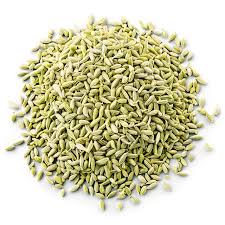
They contain compounds that relax digestive muscles and help trapped gas move through the intestines.
In many households across India, people chew fennel seeds after meals.
This tradition exists for a reason.
3. Cumin Seeds
Cumin supports digestive enzyme production and reduces fermentation in the gut.
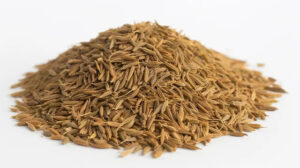
It’s commonly used in dishes that are harder to digest — especially lentils and beans.
A simple cumin water can help relieve mild bloating.
Quick remedy
Boil 1 teaspoon cumin seeds in water for 5 minutes.
4. Ajwain (Carom Seeds)
Ajwain is widely used in Indian home remedies for digestive discomfort.

It contains thymol, a compound that supports digestion and reduces gas formation.
Many people chew a small pinch of roasted ajwain with warm water after heavy meals.
5. Peppermint
Peppermint has natural antispasmodic properties.
This means it can relax digestive muscles and reduce gas pressure.
Peppermint tea is commonly recommended for bloating relief.
↗ The External reference National Health Service (NHS) notes that peppermint may help relieve symptoms of digestive discomfort and bloating.
6. Turmeric
Turmeric supports bile production, which helps break down fats and improves digestion.
It also contains curcumin — a compound known for its anti-inflammatory effects.
Turmeric milk is a popular nighttime digestive drink in many cultures.
👉 Many people also drink turmeric milk at night to support digestion and overall wellness: Turmeric Milk Before Bed: Benefits, Science, and Who Should Avoid It
7. Coriander Seeds
Coriander seeds have mild digestive and anti-spasmodic properties.
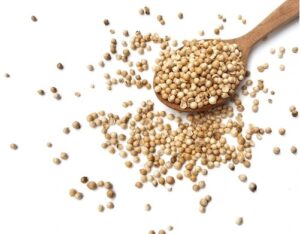
Coriander water is often used in traditional remedies to reduce stomach heat and bloating.
👉 Coriander water is another traditional digestive drink that may help reduce stomach heat and discomfort: Coriander Water for Body Heat: A Simple Natural Remedy
8. Lemon
Lemon stimulates digestive juices and may improve food breakdown.
A small glass of warm lemon water before meals can sometimes reduce gas formation later.
9. Asafoetida (Hing)
Hing is a powerful spice used in Indian cooking specifically to prevent gas from legumes.
Even a tiny pinch added to lentils can make them easier to digest.
Many Ayurvedic practitioners consider it one of the strongest anti-gas spices.
10. Yogurt
Yogurt contains probiotics that support healthy gut bacteria.
A balanced gut microbiome can reduce excessive gas production.
Plain yogurt works best.
When Should You Be Concerned?
Occasional gas after meals is normal.
However, persistent or severe symptoms should not be ignored.
Health experts recommend speaking with a healthcare professional if you experience:
- severe abdominal pain
- unexplained weight loss
- frequent vomiting
- persistent diarrhea
- blood in stool
- chronic bloating lasting weeks
↗ According to the External reference Mayo Clinic, occasional gas and bloating are common digestive symptoms and are usually not a cause for concern.
Natural remedies can support digestion — but they should not replace proper medical care when symptoms are serious.
Practical Natural Solutions for Reducing Gas
Beyond specific ingredients, daily habits also influence digestion.
Here are several practical strategies.
Eat Slowly
Eating too quickly increases swallowed air.
This alone can contribute to gas buildup.
Take smaller bites and chew food thoroughly.
Reduce Carbonated Drinks
Soda and sparkling beverages contain dissolved gas that can increase bloating.
Switching to herbal tea often helps.
Drink Herbal Digestive Teas
Herbal teas such as:
- ginger tea
- peppermint tea
- fennel tea
can support digestion naturally.
👉 You can also explore different herbal teas that support digestion and gut health: Herbal Tea Recipes for Health and Wellness
Stay Hydrated
Proper hydration supports digestive enzyme activity and smooth bowel movement.
Warm water is often easier on digestion than very cold beverages.
Walk After Meals
A short walk after meals helps move food through the digestive tract.
Even 10 minutes can help reduce bloating.
Manage Stress
The gut and brain are closely connected.
Stress can slow digestion and worsen gas symptoms.
Simple relaxation habits can help:
- deep breathing
- light stretching
- short walks
Choose Easily Digestible Foods
Some foods produce more gas than others.
Common gas-forming foods include:
- beans
- cabbage
- onions
- carbonated drinks
These foods are healthy but may need moderation.
Try This Simple 3-Day Digestive Experiment
If you frequently experience gas after meals, try this small routine.
Day 1
- Drink warm lemon water in the morning
- Add cumin or ginger to lunch
- Take a 10-minute walk after dinner
Day 2
- Drink fennel tea after lunch
- Eat slowly and chew thoroughly
- Avoid carbonated drinks
Day 3
- Start the day with ginger tea
- Include yogurt in one meal
- Use cumin or coriander while cooking
Pay attention to how your stomach feels.
Many people notice improvements simply by making small adjustments like these.
Quick Summary
What are the key kitchen ingredients that reduce gas fast?
Common kitchen remedies that may help reduce gas include:
- ginger
- fennel seeds
- cumin seeds
- ajwain
- peppermint
- turmeric
- coriander seeds
- lemon
- asafoetida
- yogurt
These ingredients may support digestion by:
- reducing intestinal spasms
- improving enzyme activity
- calming gut inflammation
- reducing fermentation in the intestines
Small dietary habits can also make a big difference.
👉 Certain foods can help calm the stomach quickly when gas and bloating appear: What to Eat When You Have Gas and Bloating
Frequently Asked Questions
What ingredient reduces gas the fastest?
Ginger, fennel seeds, and peppermint are commonly used for quick gas relief because they relax digestive muscles and support digestion.
Is gas after eating normal?
Yes. Mild gas after meals is normal and occurs during digestion. However, severe or persistent symptoms should be evaluated by a healthcare professional.
Can spices really help digestion?
Many spices contain natural compounds that stimulate digestive enzymes and reduce intestinal spasms.
Is lemon water good for gas?
Warm lemon water may stimulate digestive juices and improve food breakdown, which can reduce gas formation.
Who should avoid natural gas remedies?
People with chronic digestive disorders, severe symptoms, or underlying medical conditions should consult a healthcare professional before trying new remedies.
Gentle Health Disclaimer
This article is for educational purposes only and should not replace professional medical advice. If you have persistent digestive symptoms or health concerns, consult a qualified healthcare professional.
Final Thoughts
Digestive discomfort is one of those everyday health issues many people quietly deal with.
The encouraging news is that relief often begins with simple habits and ingredients already sitting in your kitchen.
Ginger tea after dinner.
A pinch of cumin in cooking.
A handful of fennel seeds after meals.
Small practices like these have supported digestion across cultures for generations.
Natural health rarely works through dramatic overnight fixes.
Instead, it works quietly — through consistent daily habits that gently support the body’s natural balance.
And sometimes, the most helpful remedies are the ones we’ve had in our kitchen all along