Foods That Naturally Clean Your Gut (Complete Science-Backed Guide)
Introduction: A Simple Question Many People Quietly Have
It often starts with a small feeling.
A bit of heaviness after meals.
Maybe bloating that seems to come and go.
Or that strange sense that your digestion just isn’t working as smoothly as it used to.
You might wonder:
“Am I eating the wrong foods?”
“Does my gut need a reset?”
“Is there a natural way to feel lighter again?”
In many households, especially in India, people don’t immediately think of supplements or complicated detox plans. Instead, they turn to the kitchen.
Warm water in the morning.
A pinch of turmeric.
A simple bowl of curd rice.
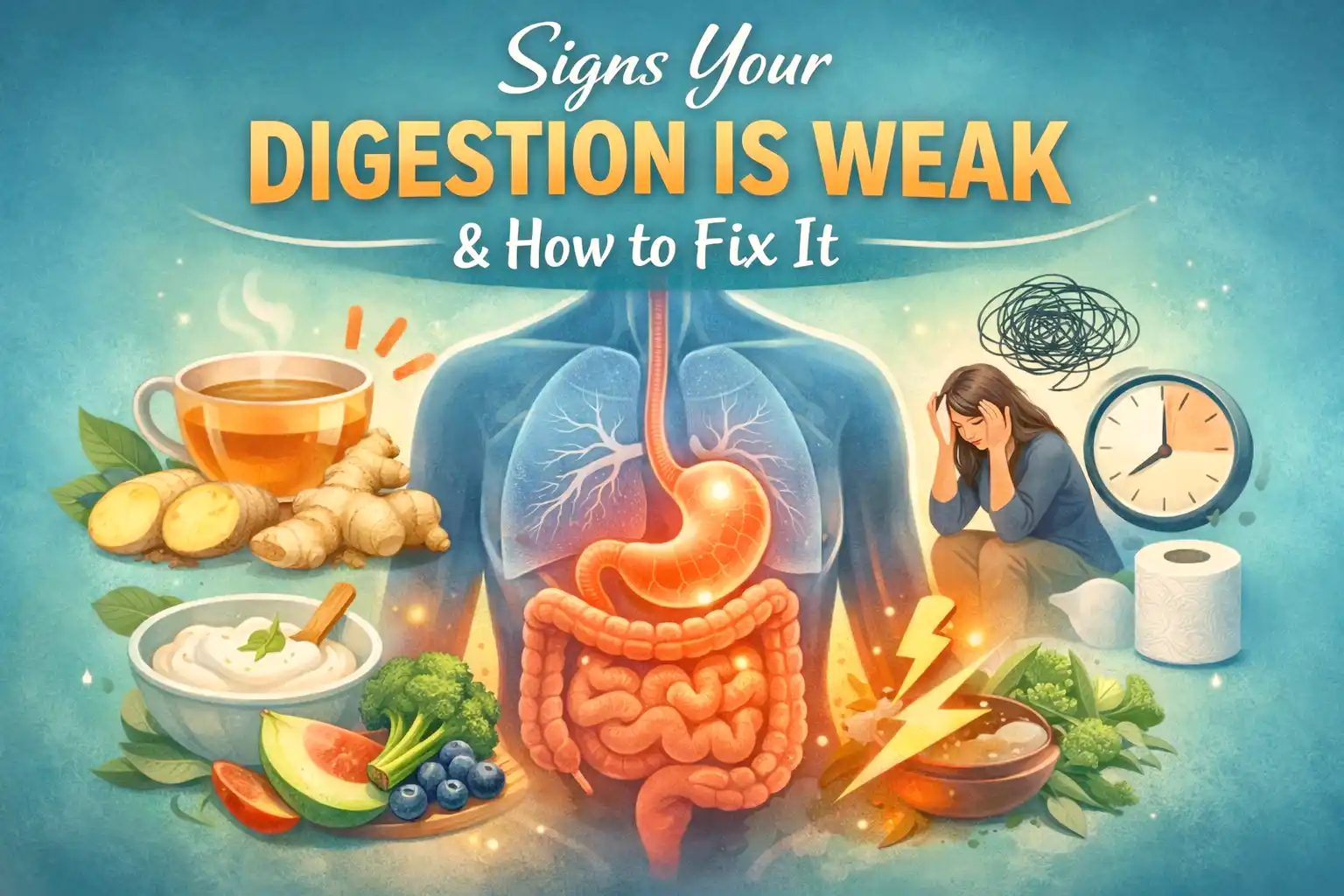
👉 Understand early warning signs: Signs Your Digestion Is Weak
And interestingly, modern research is now catching up with what traditional wisdom has always suggested:
The right foods can gently support your gut’s natural cleaning process.
Is This Common or Normal?
Yes—very common.
Many readers tell us they experience:
- occasional bloating
- irregular digestion
- heaviness after eating
- mild constipation
These are not unusual.
In fact, lifestyle changes, processed foods, stress, and irregular eating patterns have made gut discomfort almost a daily experience for many people across the world.
But here’s the important part:
Your gut already has a natural cleaning system.
You don’t need extreme detoxes.
You just need to support it with the right foods.
👉 If you feel discomfort after meals: Home Remedies for Feeling Heavy After Eating
Science Behind Gut Cleansing (Explained Simply)
Let’s break this down in a way that actually makes sense.
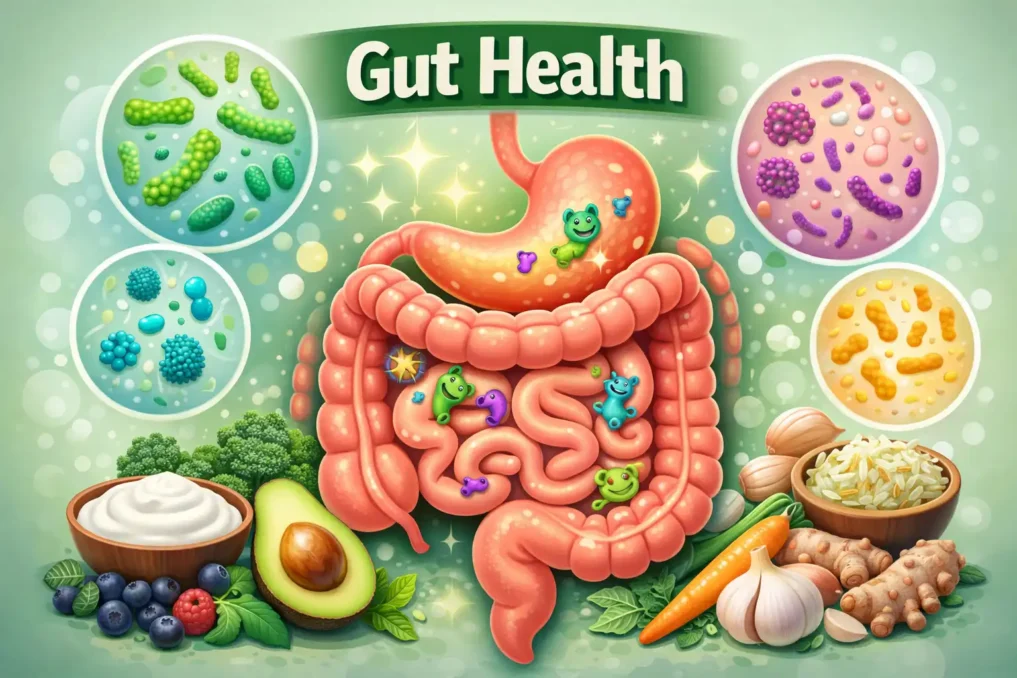
Your gut isn’t just a food pipe—it’s a living ecosystem.
1. Gut Microbiome Balance
Your intestines contain trillions of bacteria.
Some are helpful. Some are not.
Foods like fiber, fermented foods, and plant-based nutrients help “good bacteria” grow, which:
- improves digestion
- reduces harmful microbes
- supports gut cleaning naturally
↗ Digestive System Overview – Mayo Clinic
2. Anti-Inflammatory Effects
Chronic inflammation in the gut can slow digestion.
Certain foods (like turmeric, ginger, leafy greens) help calm inflammation.
This allows your gut lining to function properly again.
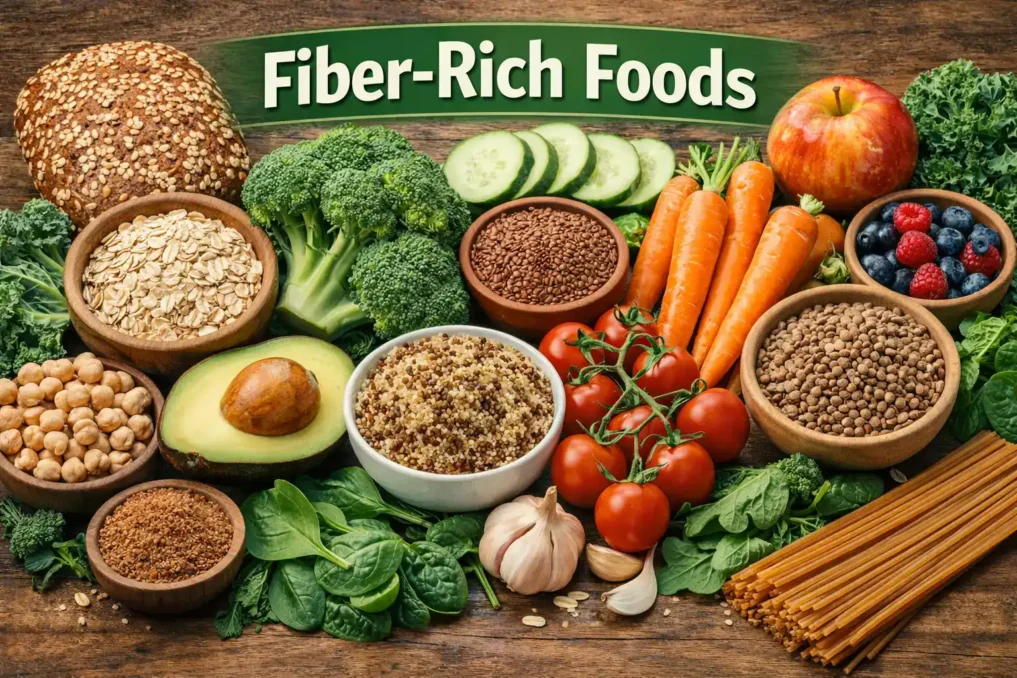
3. Fiber and Waste Removal
Fiber acts like a natural brush.
It:
- adds bulk to stool
- helps smooth bowel movement
- removes waste efficiently
Without enough fiber, waste can sit longer in the gut.
4. Hydration and Mucosal Health
Water helps:
- soften stool
- maintain gut lining
- support detox pathways
Even mild dehydration can slow digestion significantly.
5. Digestive Enzyme Support
Some foods stimulate enzyme production.
Examples:
- papaya
- pineapple
- ginger
These enzymes break food down better, reducing fermentation and gas.
6. Immune System Connection
Around 70% of your immune system lives in your gut.
A clean, balanced gut:
- reduces infections
- improves immunity
- supports overall health
7. Antioxidant Activity
Foods rich in antioxidants help:
- reduce oxidative stress
- repair gut lining
- improve absorption
Think berries, green tea, and Indian spices.
👉 Improve your gut health naturally: Natural Remedies for Digestive Problems
A Deeper Look: Why “Gut Cleaning” Is Often Misunderstood
Before we go further, it’s worth clearing one common confusion.
When people hear “gut cleaning,” they often imagine:
- harsh detox drinks
- fasting for days
- expensive cleansing products
But your body doesn’t work that way.
Your gut is not something that needs to be “flushed.”
It needs to be supported.
One interesting thing researchers have found is that the digestive system already has built-in cleansing processes:
- peristalsis (movement of food through intestines)
- beneficial bacteria regulation
- mucosal lining repair
So when we talk about foods that clean your gut, what we really mean is:
Foods that help your body perform its natural cleansing more efficiently.
The Gut-Brain Connection: Why Your Mood Is Also Involved
You may have noticed something surprising.
On days when your digestion feels off, your mood often does too.
That’s not a coincidence.
Your gut and brain are directly connected through something called the gut-brain axis.
Here’s how it works:
- your gut produces neurotransmitters (like serotonin)
- gut bacteria influence stress response
- inflammation in the gut can affect mental clarity
This is why improving gut health often leads to:
- better mood
- improved focus
- reduced fatigue
In many traditional Indian practices, this connection has always been recognized—meals are not just about nutrition, but also mental balance.
What Most People Get Wrong About Gut Cleansing
If you search online, you’ll find countless “gut detox” solutions.
But here’s the reality—many of them don’t work the way people expect.
Myth 1: Detox Drinks Clean Your Gut Overnight
Many detox drinks promise instant results.
But your gut doesn’t reset in a day.
In fact, overusing strong detox drinks can irritate the digestive system rather than support it.
Myth 2: Eating Only Raw Foods Is Better
Raw foods are healthy—but not always easier to digest.
You may have noticed that too many raw salads can sometimes cause bloating.
Lightly cooked foods, especially in traditional diets, are often gentler on the gut.
Myth 3: Skipping Meals Helps “Clean” the Gut
Skipping meals may slow digestion instead of improving it.
Your gut works best with consistent, balanced meals.
Myth 4: Fiber Works Instantly
Fiber is powerful—but increasing it too quickly can cause discomfort.
Your gut needs time to adapt.
The truth is simple: gut health improves through steady, supportive habits—not extreme changes.
When Should You Be Concerned?
While mild digestive issues are common, certain signs need attention.
According to trusted organizations like the World Health Organization, National Health Service, and Mayo Clinic:
You should consult a healthcare professional if you experience:
- persistent abdominal pain
- unexplained weight loss
- blood in stool
- severe constipation or diarrhea
- long-term digestive discomfort
Natural remedies are helpful—but they are not a replacement for medical care when needed.
↗ Digestive Health Advice – NHS
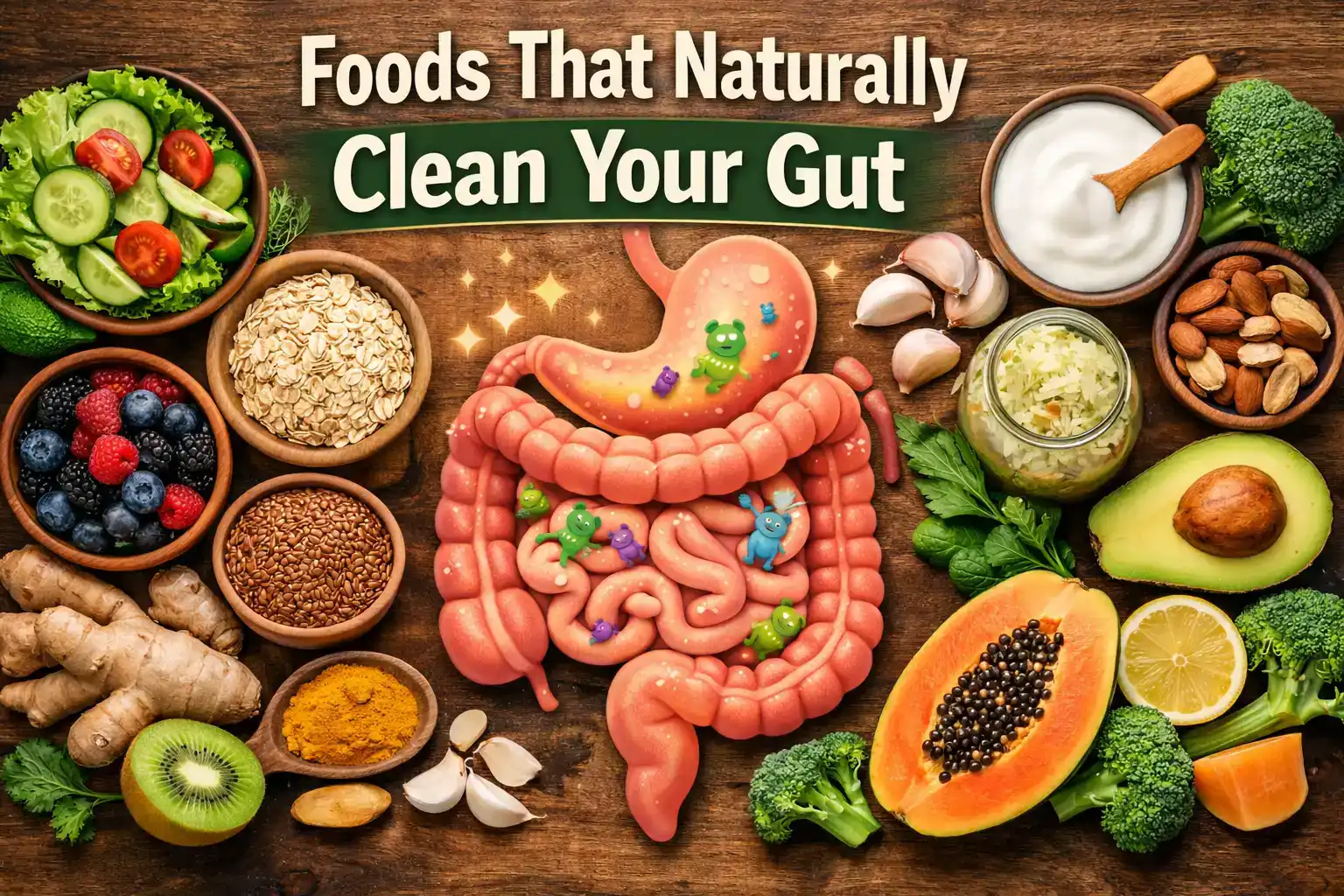
12 Powerful Foods That Naturally Clean Your Gut
Let’s go beyond the basics and explore these foods in more detail.
1. Leafy Greens (Spinach, Kale, Methi)
Leafy greens are loaded with:
- fiber
- magnesium
- chlorophyll
Chlorophyll may help:
- reduce harmful bacteria
- support detox pathways
In Indian households, dishes like palak dal or methi sabzi are simple ways to include them.
2. Apples (Nature’s Gentle Cleanser)
Apples contain pectin, a type of soluble fiber.
Pectin:
- feeds good bacteria
- binds toxins
- improves bowel movement
A simple habit like eating one apple daily can make a noticeable difference over time.
3. Bananas (Gut-Friendly and Soothing)
Especially useful when digestion feels sensitive.
Bananas:
- restore electrolyte balance
- support beneficial bacteria
- are easy to digest
They are often recommended in both Western diets and Indian home remedies.
4. Yogurt / Curd (Probiotic Powerhouse)
This is one of the most effective natural gut-supporting foods.
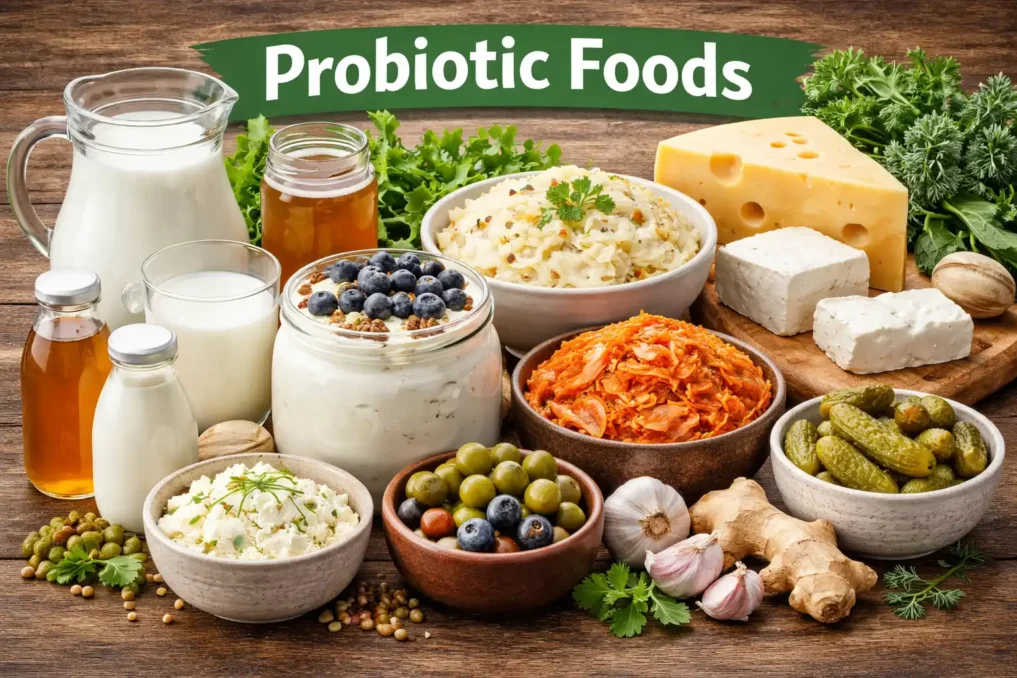
Curd contains live cultures that:
- improve microbiome diversity
- enhance digestion
- reduce bloating
In many households, a meal feels incomplete without it.
👉 Learn more about gut-friendly foods: Gut Health Foods for Better Digestion
5. Oats (Gentle Fiber for Daily Use)
Oats are rich in beta-glucan, a type of soluble fiber.
This helps:
- regulate digestion
- support gut bacteria
- improve stool consistency
They are ideal for breakfast.
6. Flaxseeds (Tiny but Powerful)
Flaxseeds act like a natural internal cleanser.
They:
- absorb water
- form a gel-like texture
- support smooth bowel movement
Soaking them overnight enhances their effect.
7. Garlic (Natural Gut Protector)
Garlic has antimicrobial properties.
It helps:
- reduce harmful bacteria
- support beneficial microbes
- improve digestion
In Indian cooking, garlic is almost always part of the base—this may not be accidental.
8. Ginger (Ancient Digestive Aid)
Ginger stimulates digestive enzymes.
It:
- reduces bloating
- improves gastric emptying
- relieves nausea
A cup of ginger tea can feel surprisingly effective.
9. Turmeric (Anti-Inflammatory Support)
Turmeric contains curcumin, known for:
- reducing inflammation
- supporting gut lining
- improving digestion
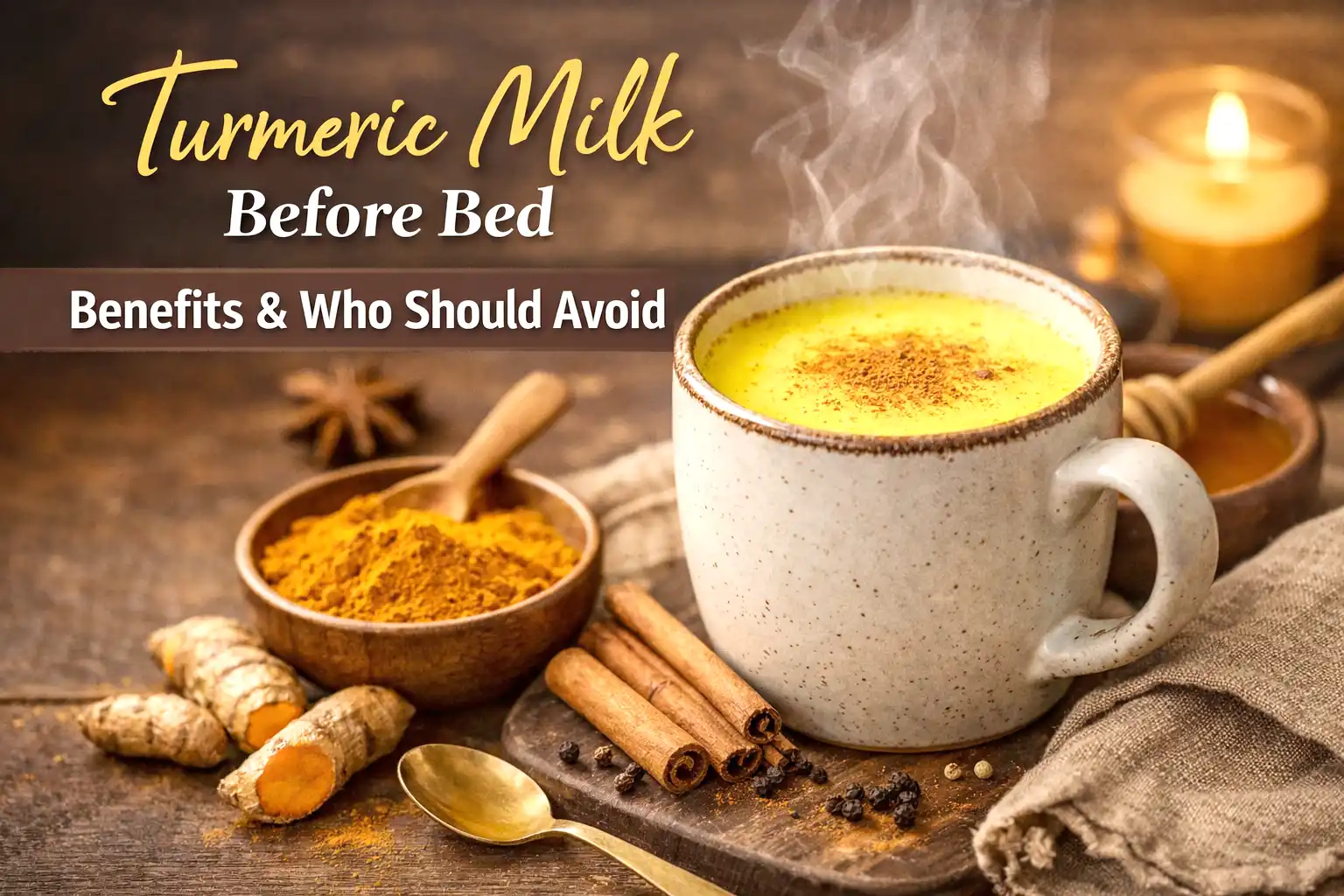
Warm turmeric milk is a classic example.
10. Pineapple (Enzyme-Rich Fruit)
Contains bromelain, which helps:
- break down protein
- improve digestion
- reduce heaviness after meals
11. Cucumber (Hydration Booster)
High water content supports:
- toxin removal
- smooth digestion
- gut lining hydration
Simple but effective.
12. Green Tea (Antioxidant Support)
Green tea contains polyphenols that:
- support good bacteria
- reduce inflammation
- improve metabolism
How to Build a Daily Gut-Cleaning Plate
Instead of focusing on individual foods, think in combinations.
A balanced gut-friendly plate looks like:
- 50% vegetables (fiber)
- 25% whole grains
- 25% protein
- plus fermented food
Example:
- brown rice + dal + sabzi + curd
Simple. Sustainable. Effective.
Common Mistakes People Make
Even with healthy intentions, some habits can backfire.
1. Overdoing “Detox” Drinks
Too many detox drinks can irritate the gut.
2. Sudden High Fiber Intake
This can cause bloating instead of relief.
3. Ignoring Hydration
Fiber without water = constipation.
4. Eating Too Fast
Digestion begins in the mouth.
5. Late Night Heavy Meals
Your gut slows down at night.
The Role of Timing in Gut Health
Many people overlook this.
But when you eat matters almost as much as what you eat.
Helpful habits:
- eat breakfast within 1–2 hours of waking
- keep dinner light
- allow 2–3 hours before sleep
Your digestive system follows a rhythm.
Working with it makes a difference.
Stress and Gut Health: The Missing Piece
You can eat perfectly and still struggle with digestion if stress is high.
Stress affects:
- enzyme production
- gut movement
- microbiome balance
Simple practices help:
- deep breathing
- walking after meals
- mindful eating
Sometimes, slowing down is the best digestive remedy.
Traditional Indian Gut Wisdom (That Still Works Today)
In many Indian homes, gut health was never a “trend.”
It was part of daily life.
Examples:
- jeera water for digestion
- buttermilk with cumin after meals
- khichdi during digestive discomfort
- fennel seeds after eating
These are simple, accessible, and surprisingly effective.
3-Day Natural Gut Reset Experiment
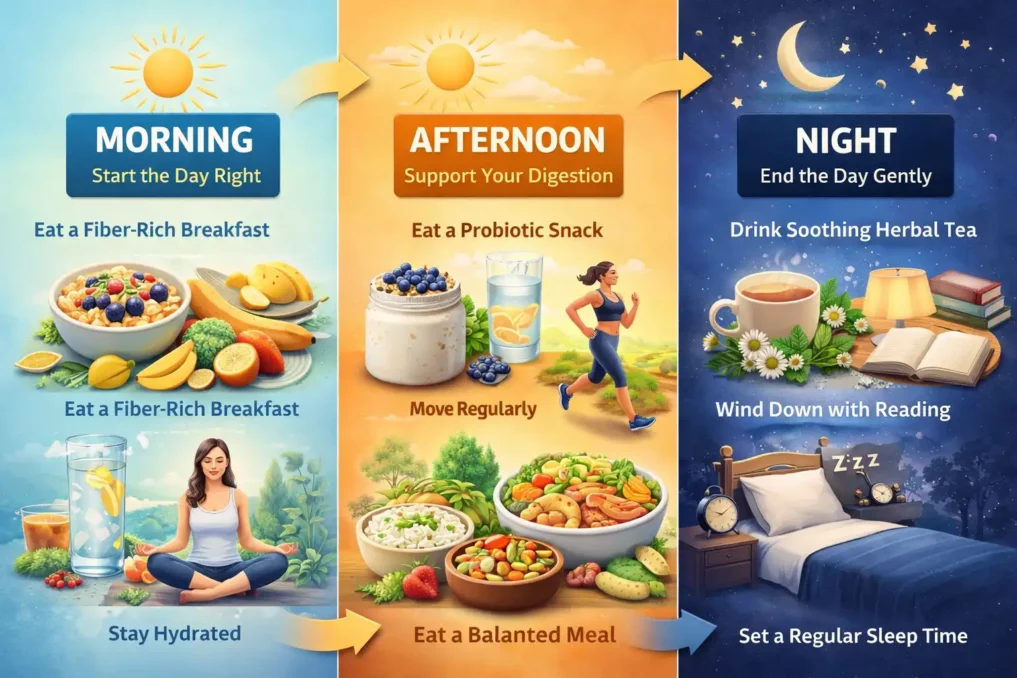
Try this simple routine:
Day 1–3 Plan
Morning:
- warm water + lemon
- soaked flaxseeds
Breakfast:
- fruit + oats
Lunch:
- rice + vegetables + curd
Evening:
- herbal tea
Dinner:
- light meal (soup or khichdi)
Observe:
- bloating changes
- bowel movement
- energy levels
Many people notice a difference within just a few days.
↗ Healthy Diet Guidelines – World Health Organization
7-Day Gut Nourishment Plan (Extended)
If you want to go beyond the 3-day experiment, try this:
Day 1–2:
Focus on hydration + light meals
Day 3–4:
Add fiber-rich foods gradually
Day 5–6:
Introduce fermented foods daily
Day 7:
Observe changes
Look for:
- improved digestion
- reduced bloating
- better energy
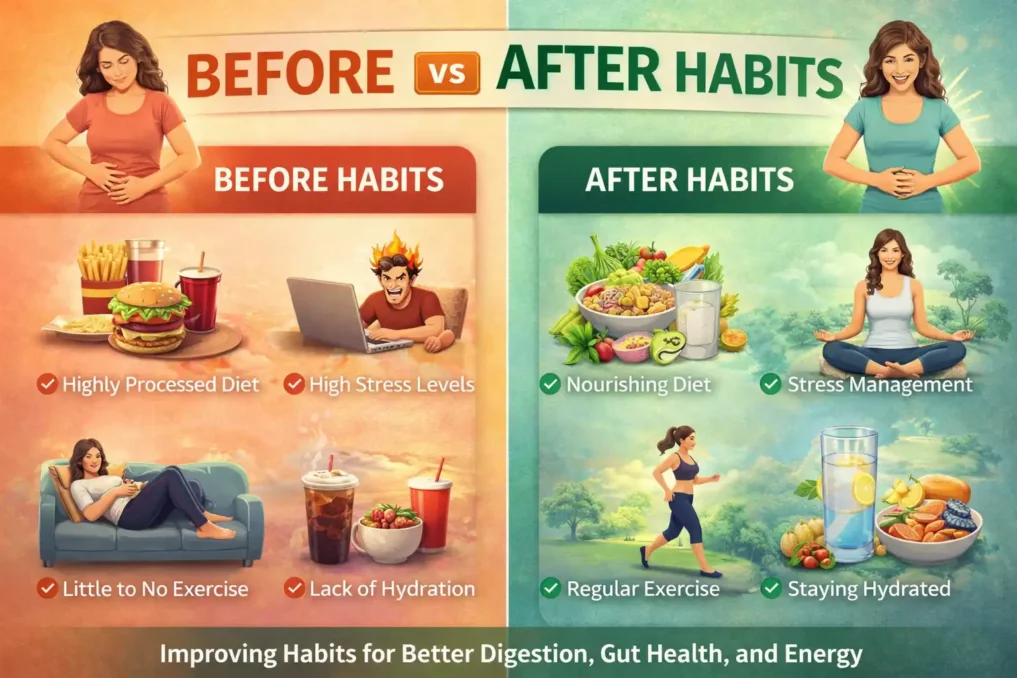
Quick Summary
Foods that naturally clean your gut help by:
- feeding beneficial bacteria
- removing waste through fiber
- reducing inflammation
- improving digestion efficiency
- supporting immune function
- maintaining gut lining health
- balancing metabolism
FAQs
1. Is it good to clean your gut naturally?
Yes. Supporting your gut with natural foods helps digestion and overall health without harsh methods.
2. How often should you eat gut-cleaning foods?
Daily. These foods are part of a healthy regular diet, not occasional detoxes.
3. Are there side effects?
Generally no, but sudden high fiber intake may cause temporary bloating.
4. What is the best time to support gut health?
Morning routines (hydration + light foods) are especially helpful.
5. Who should avoid certain foods?
People with specific conditions (IBS, allergies) should consult a doctor before major diet changes.
6. Can gut health improve skin?
Yes. A healthy gut is often linked to clearer skin.
7. How long does it take to see results?
Many people notice changes within a few days, but long-term benefits take weeks.
8. Is fasting necessary for gut cleaning?
Not usually. Consistent healthy eating works better.
9. Are supplements needed?
Not always. Whole foods are often sufficient.
10. Can children follow this diet?
Yes, with balanced portions and guidance.
Disclaimer
This article is for educational purposes only and should not replace professional medical advice.
Final Thoughts: Your Gut Doesn’t Need Perfection
It needs consistency.
Not extreme detoxes.
Not complicated plans.
Just:
- real food
- regular habits
- mindful eating
Small daily choices quietly shape your long-term health.
And often, the simplest foods are doing more than we realize.
Start there.